What Comes Next
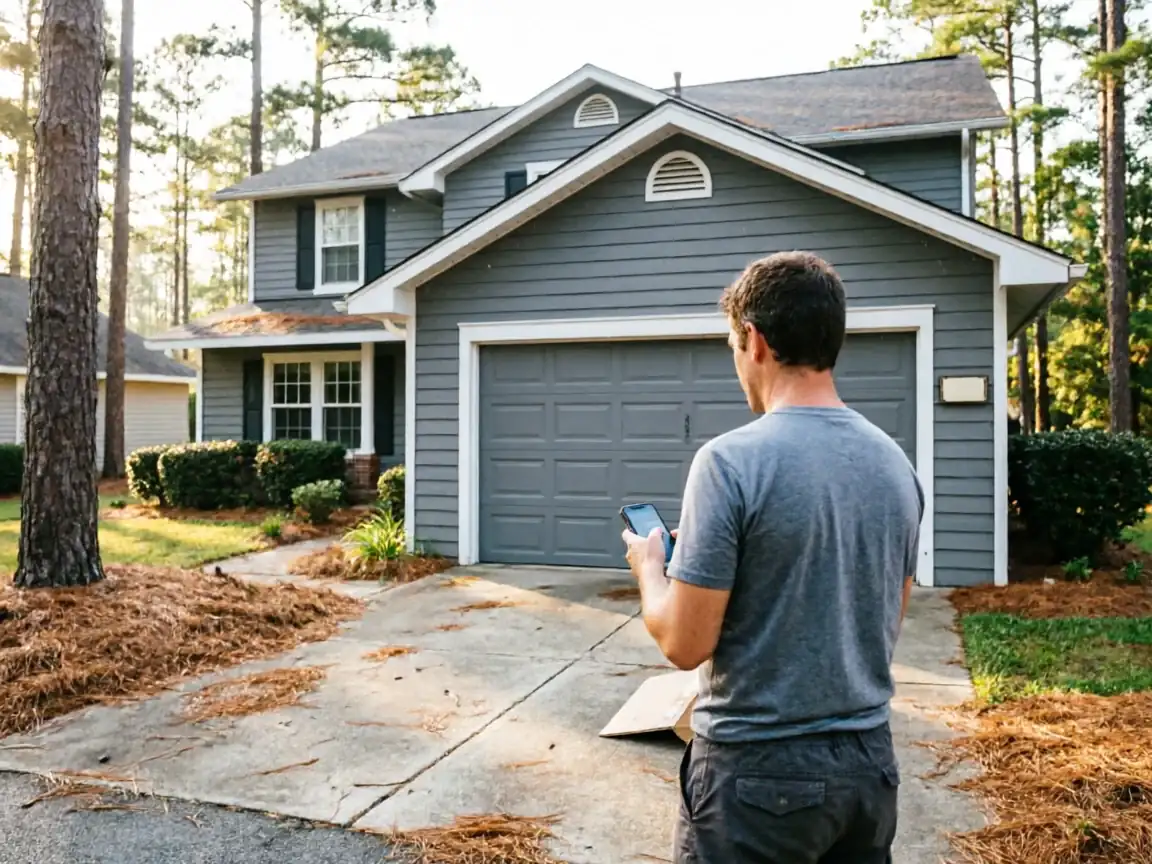
You call, you tell us what the door is doing (or not doing)
And we get a truck headed your way. Most of the houses we work on went up between 1964 and 2007, with a thick cluster from the 1980s and 90s across the nine neighborhoods we cover. That build-out matters because it tells us what hardware is probably on your wall before we ever see it - torsion setups that were standard for that era, openers that have likely already been swapped once or twice.
We run calls out to Emerson, four miles off, and out past Euharlee at eight miles, Kingston at nine, and as far as Adairsville, Rockmart, Waleska, Holly Springs, Hiram, and Fairmount when the job calls for it
Distance changes how fast we can get there, not whether we'll come.
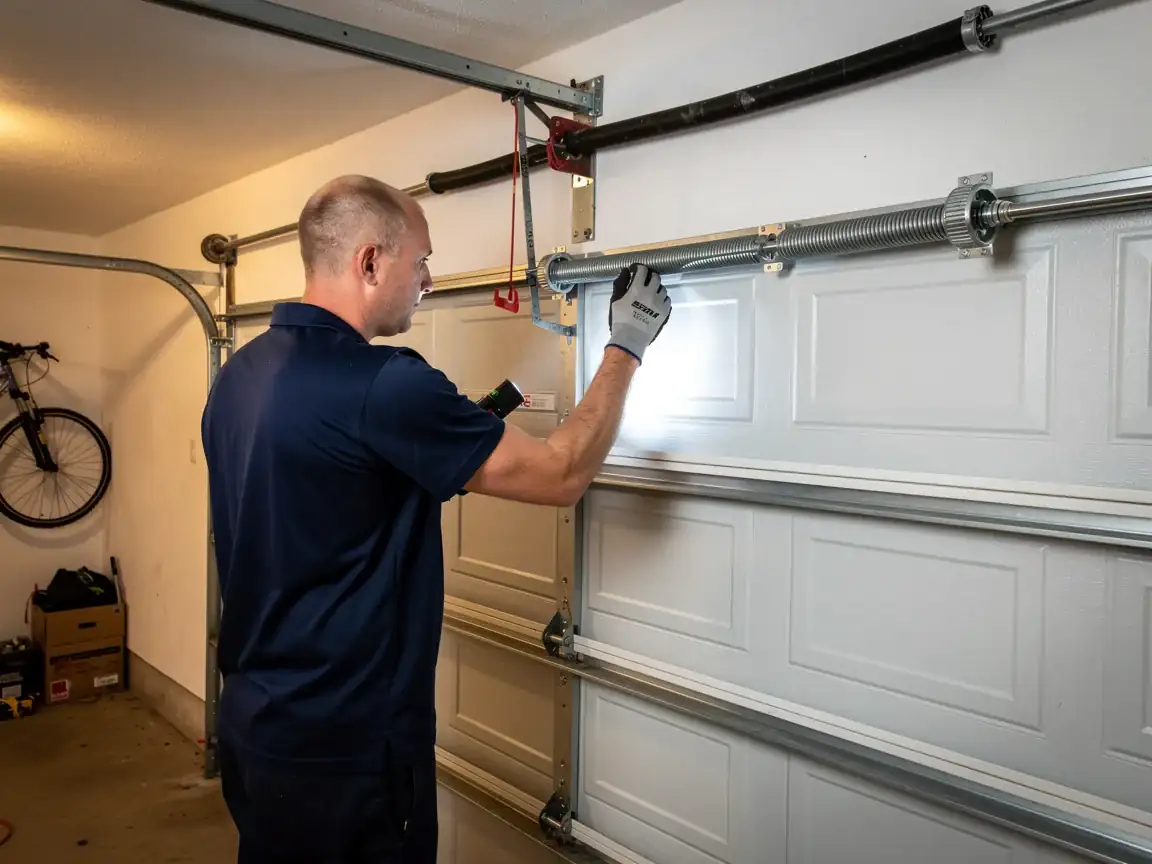
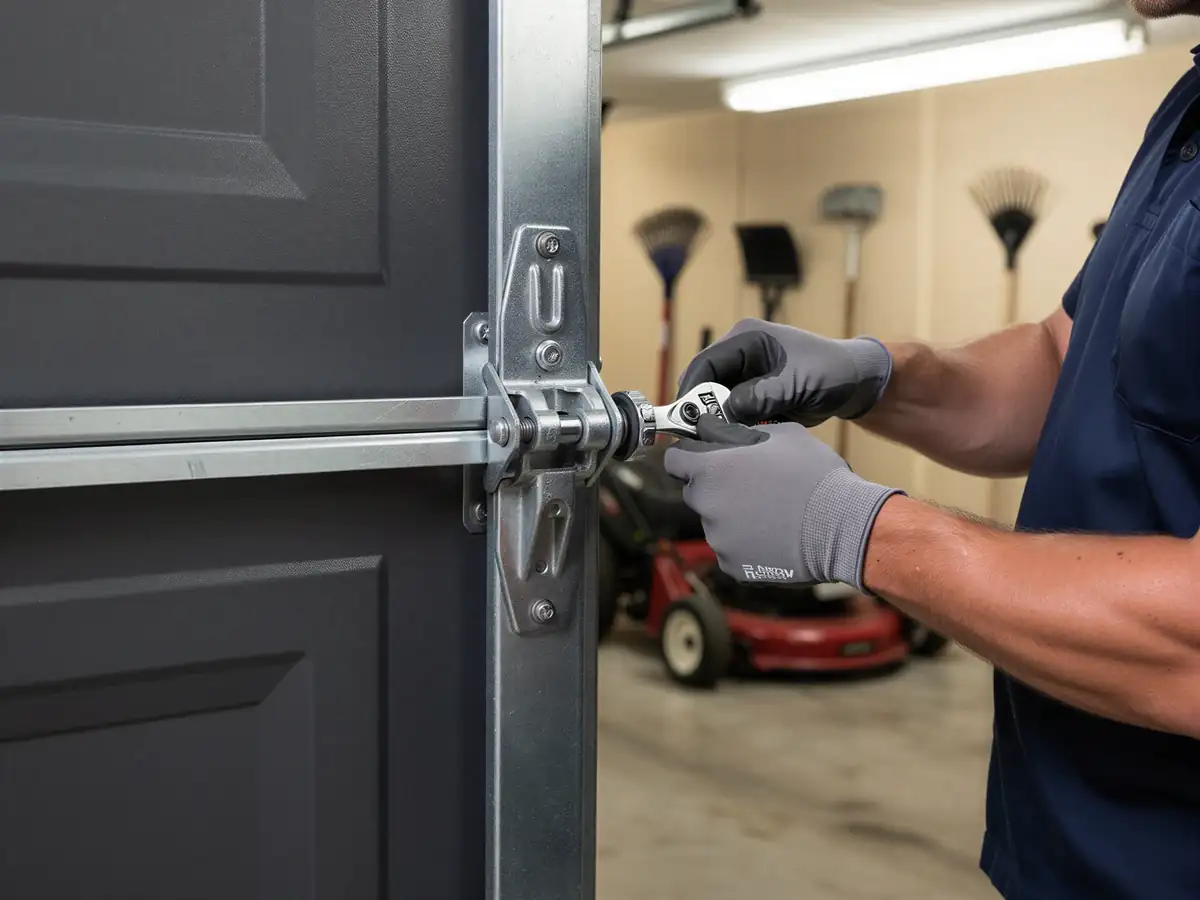
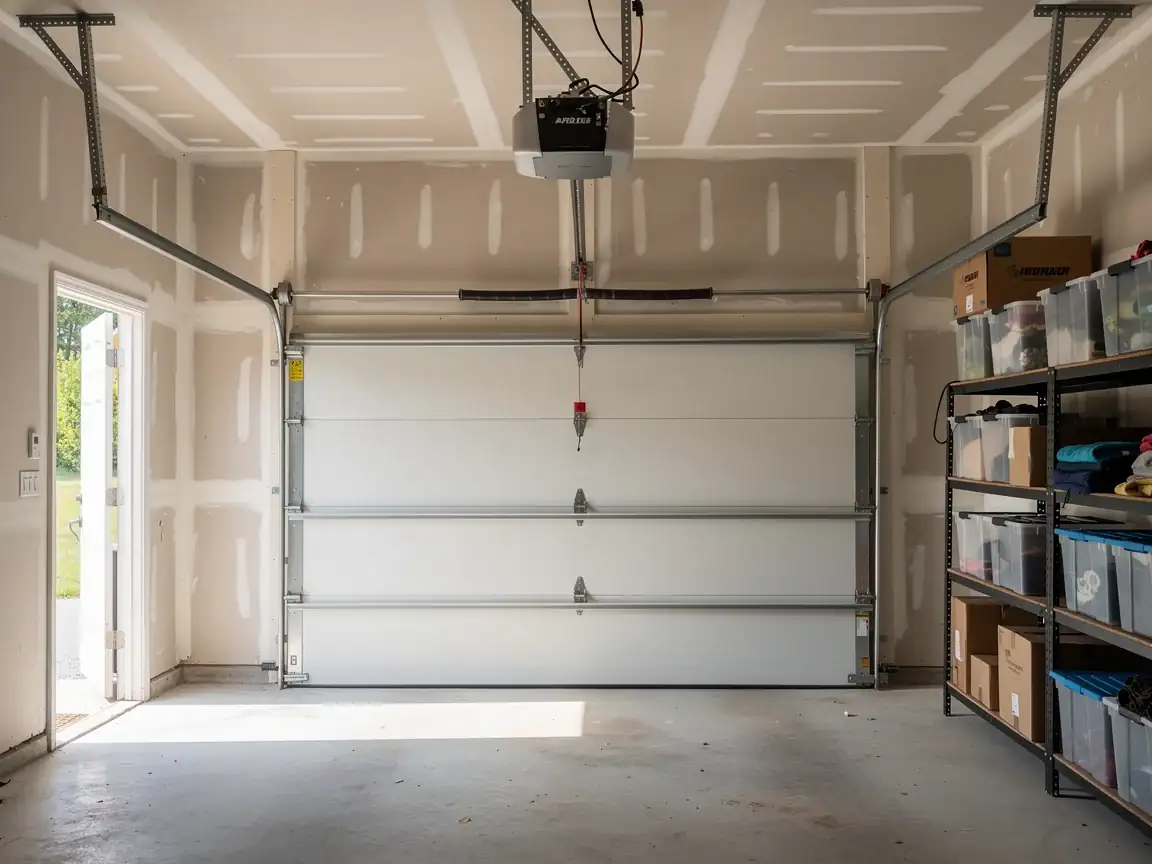
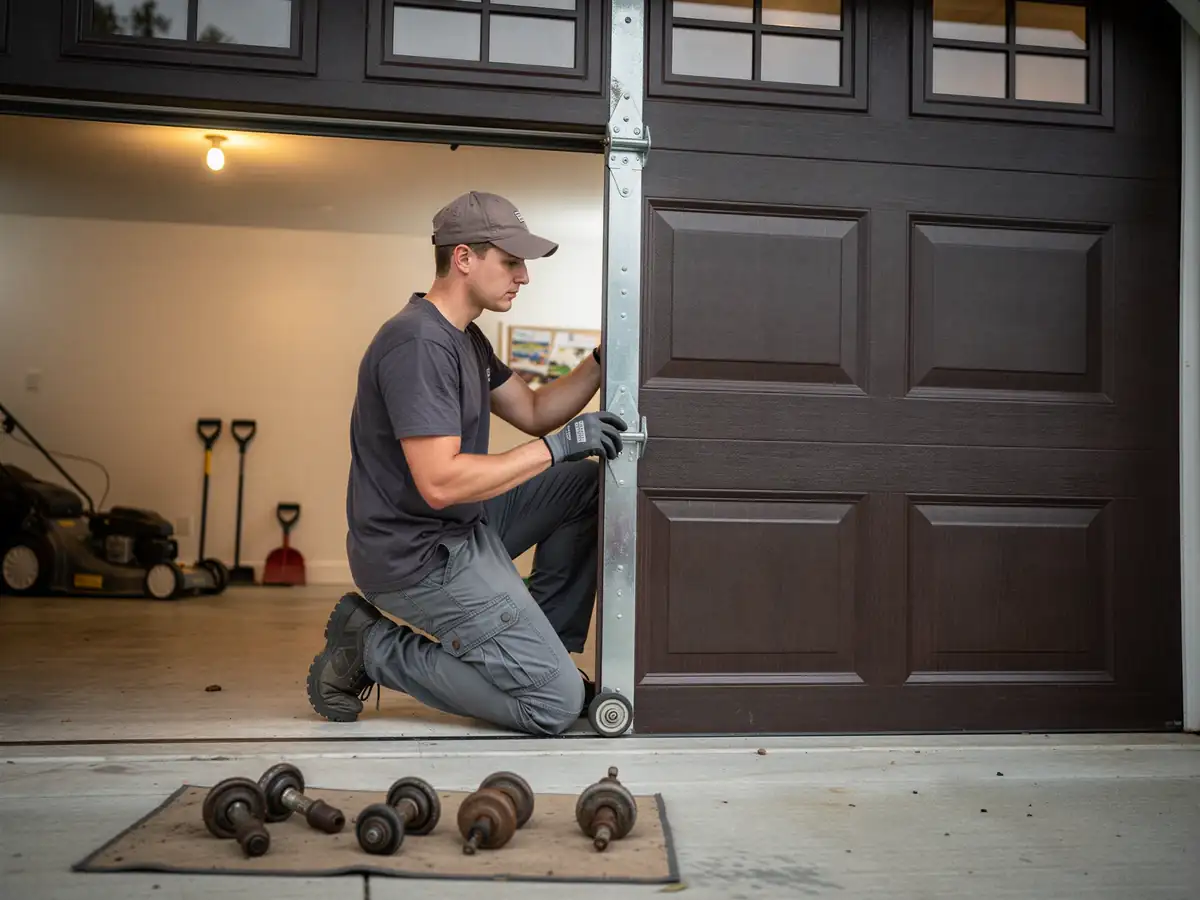
Once we're at the door, we look at the springs, the track alignment, the rollers, and the opener before we quote anything
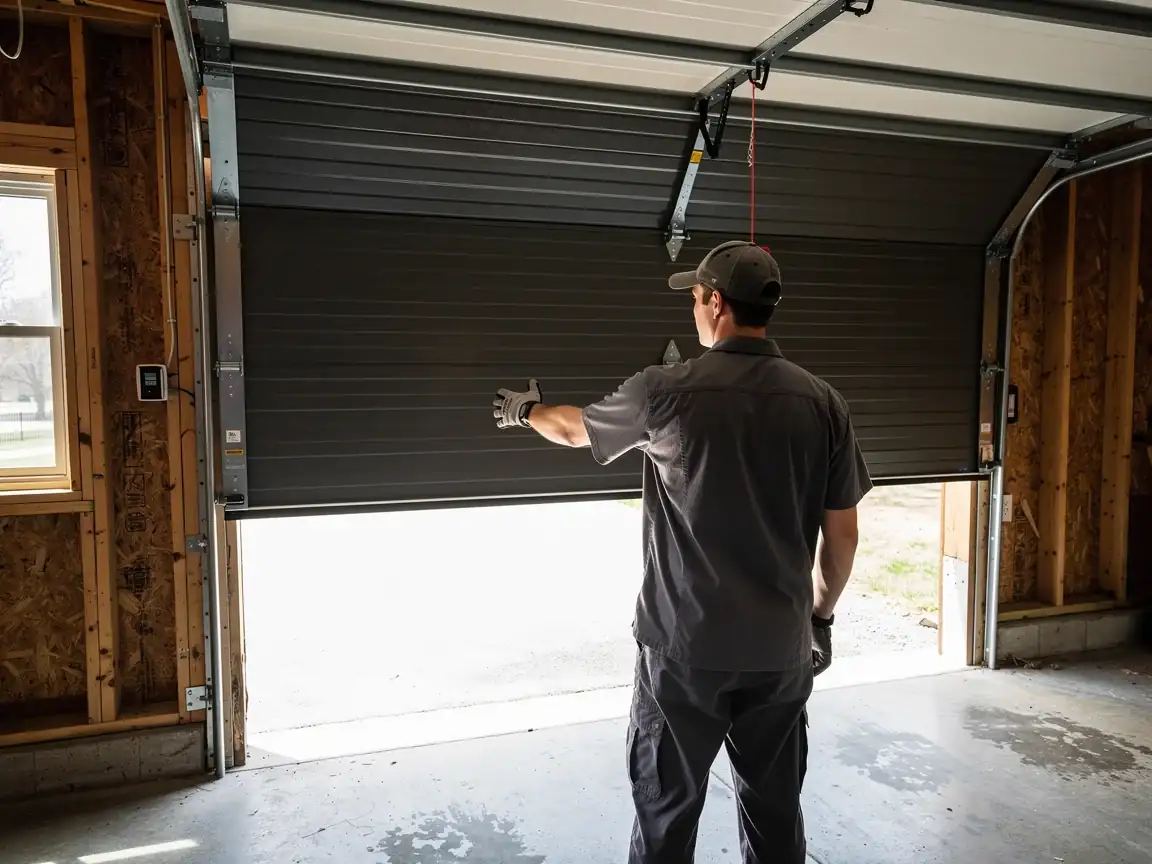
If the fix is small, we do it on the spot. If the door needs a part we don't carry on the truck, we'll tell you the lead time instead of guessing. We don't pad a simple job to make the visit feel worth it.
What We Are Called Out For
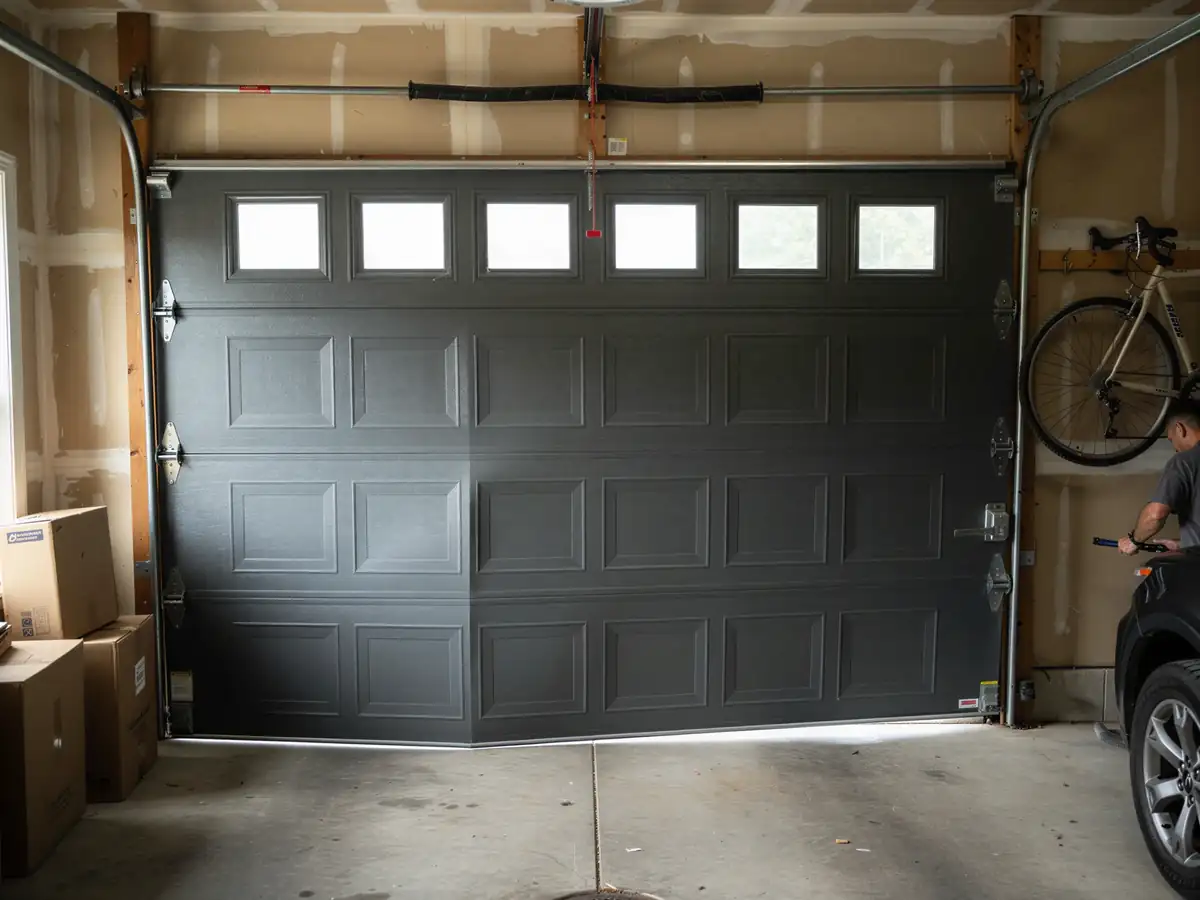
Broken torsion springs are the most common call, especially on doors original to houses from the 1980s and 90s stretch of the build-out - that hardware is old enough now that failure is routine, not unusual. Cartersville sits in a cold-moderate climate band, which means the grease in a ten-year-old opener chain gets stiff every winter and springs lose tension faster than owners expect, especially on doors that haven't been serviced since they were installed.
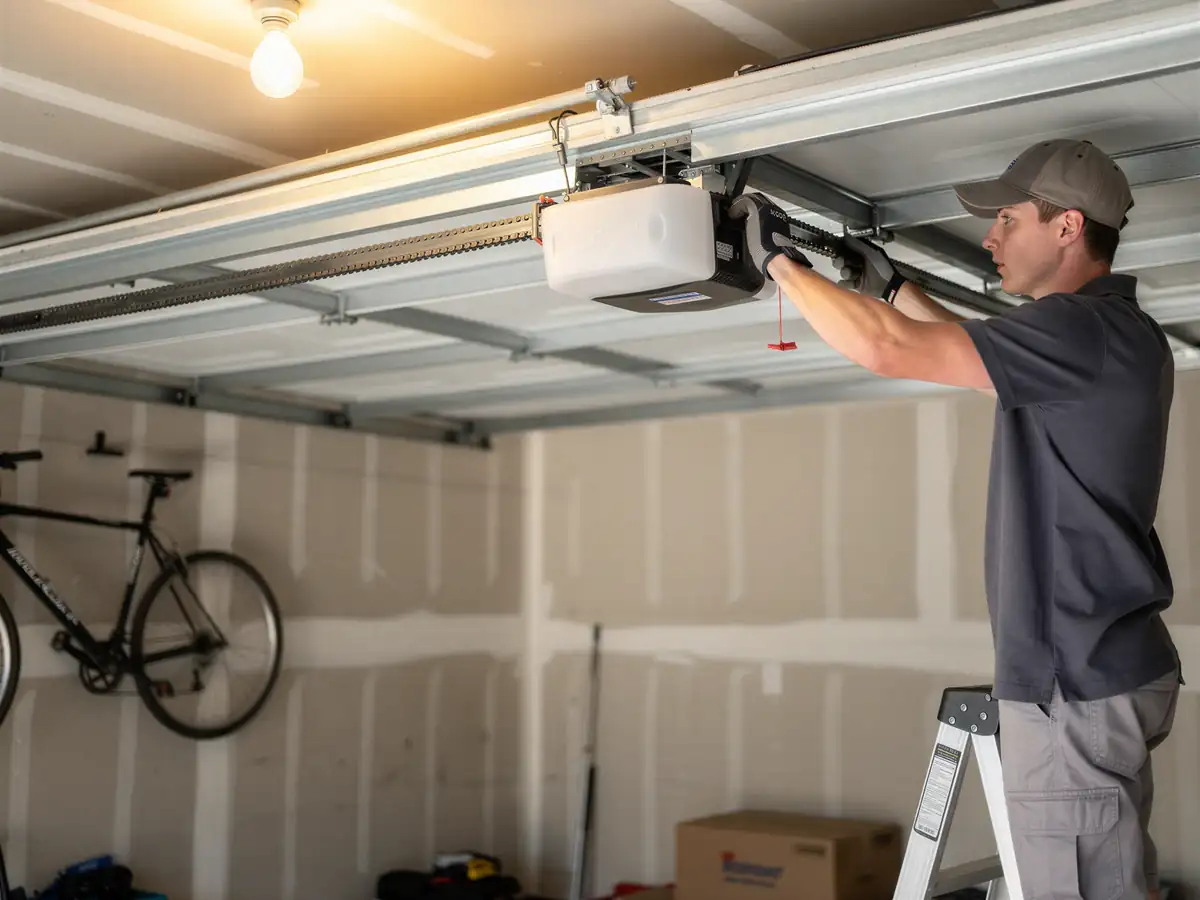
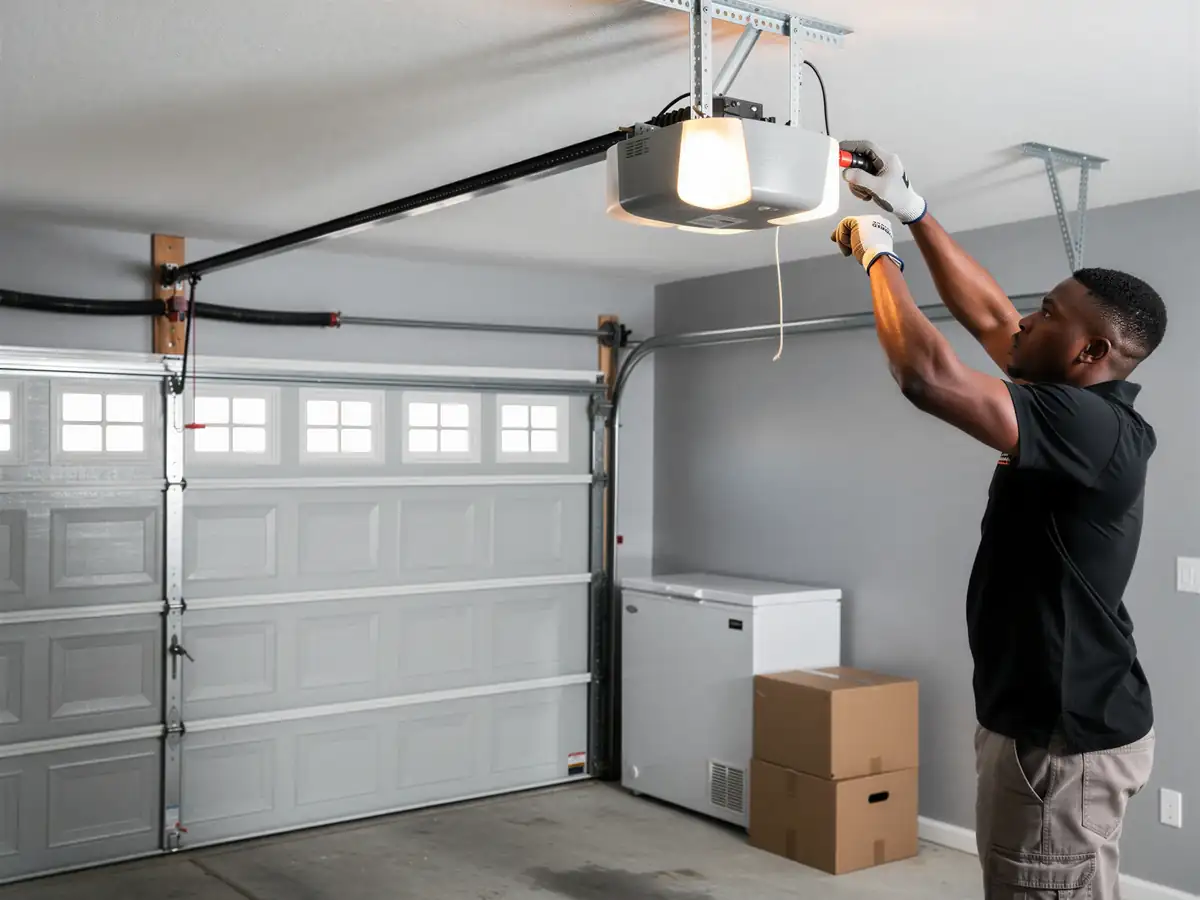
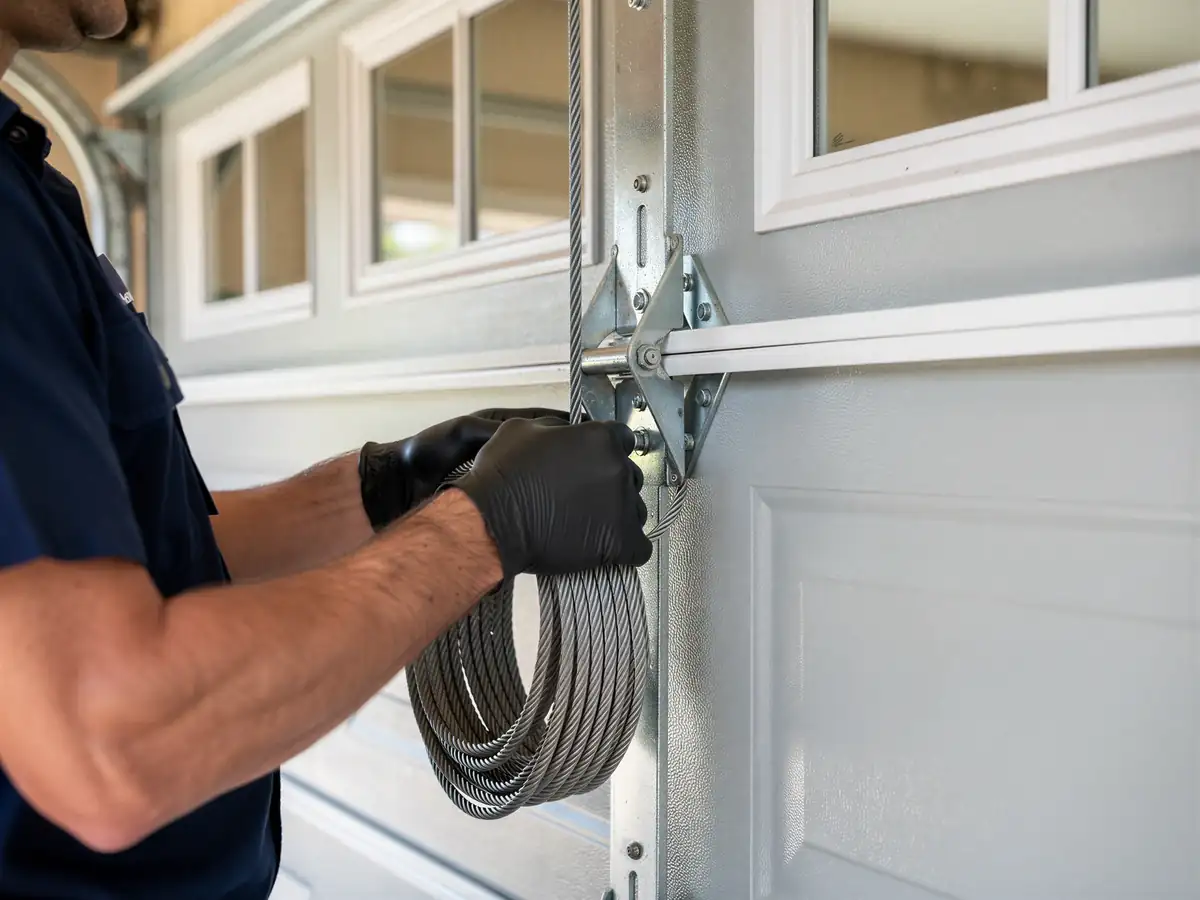
With roughly 8,765 owner-occupied houses across this service area, a lot of them built in the same twenty-year stretch, the same parts tend to fail around the same age. We see bent track from cars clipping the door, snapped cables, worn rollers that have gone from quiet to grinding, and openers that still run but no longer talk to the safety sensors correctly.
We also get called for doors that look fine but just stopped working - usually a logic board or a dead capacitor rather than anything mechanical. Not every call ends in a repair. Sometimes the door is old enough, and the parts scarce enough, that replacement is the honest answer, and we'll say so instead of chasing a fix that won't hold.
Who Turns Up
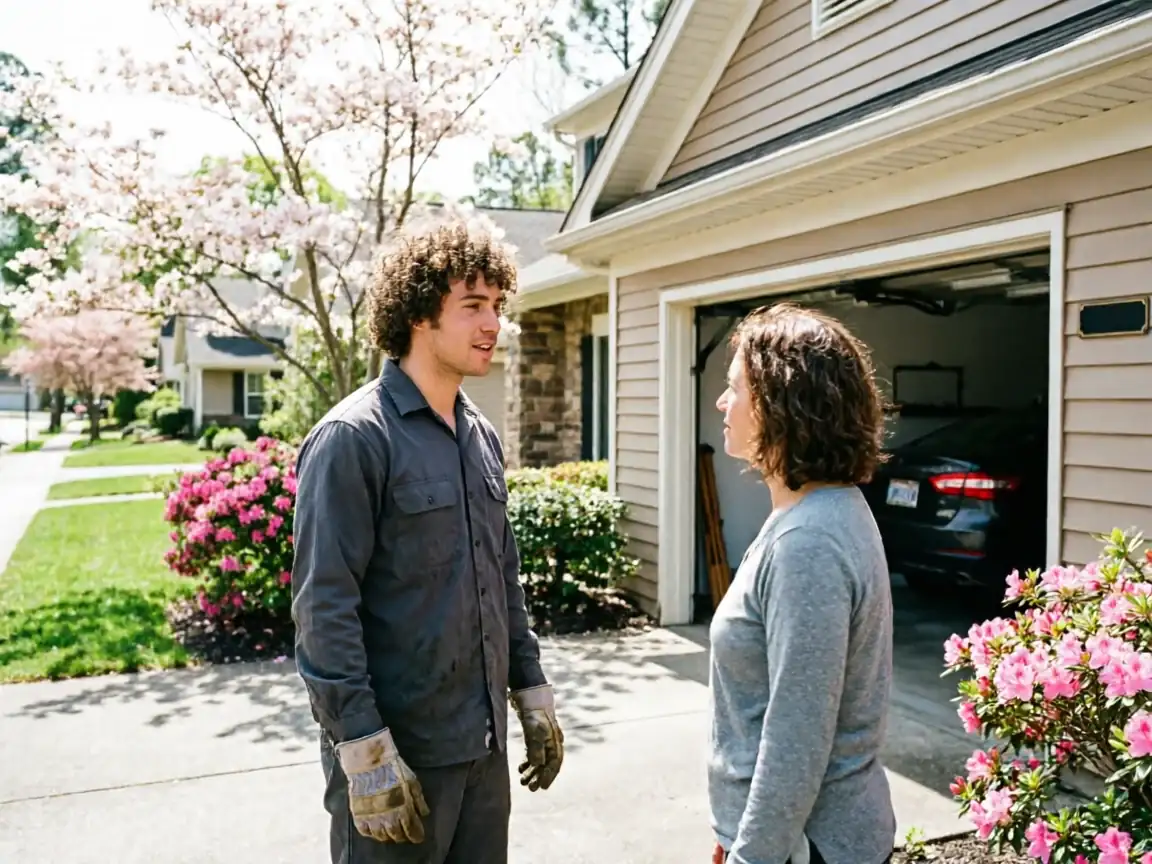
Whoever shows up at your door has worked on the kind of hardware that's common in houses from this area's build era - same spring sizing, same track widths, same opener brands that got installed through the 80s, 90s, and into the 2000s. That's not a guess about your specific house; it's just what the numbers across this service area tell us to expect.
The median household income here runs around $76,424, which is part of why we'll tell you straight when a repair isn't worth it against a new door - nobody wants to pay twice. We'll walk you through what's broken, what it costs to fix versus replace, and let you make the call with real numbers instead of pressure.
One limitation worth naming: if your door needs a part that's been discontinued, or specific to a builder-grade install from decades back, we may need a few days to source it rather than finishing the job same-visit. We'd rather tell you that up front than promise a fix we can't deliver on day one.