The Situation
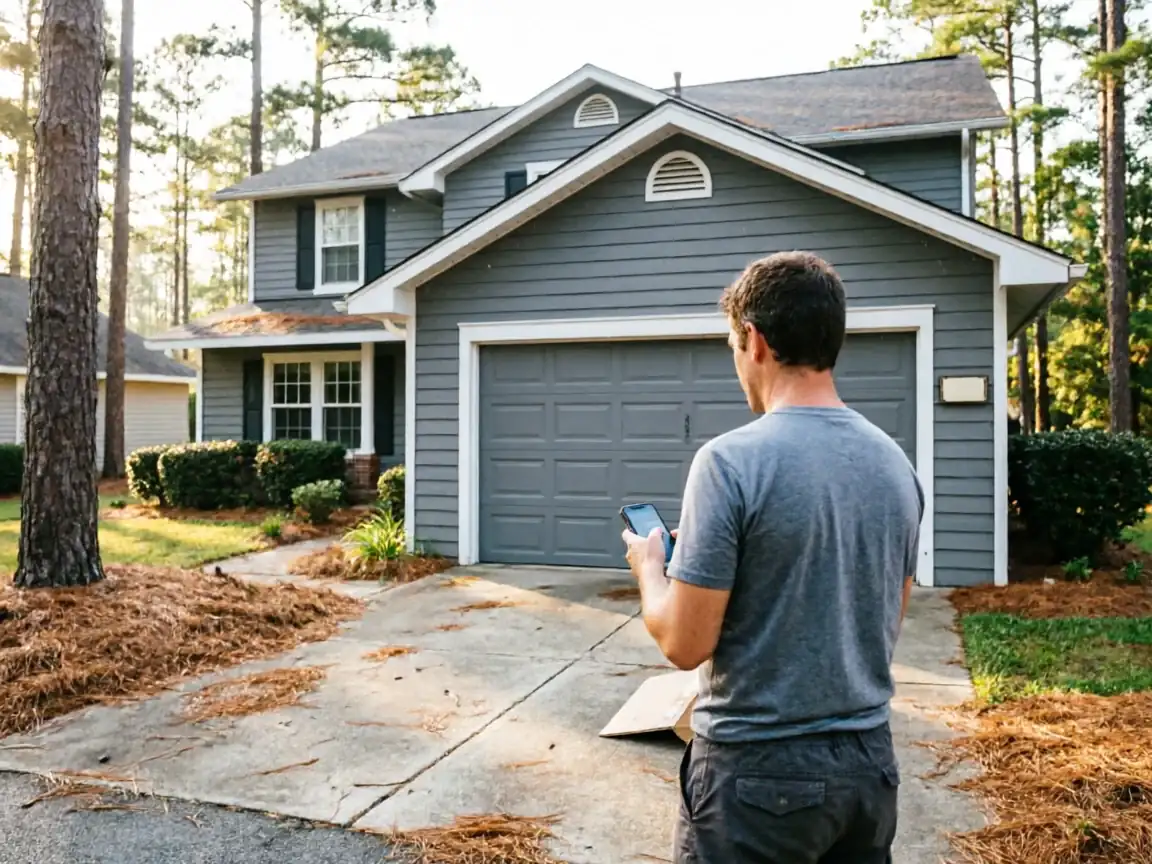
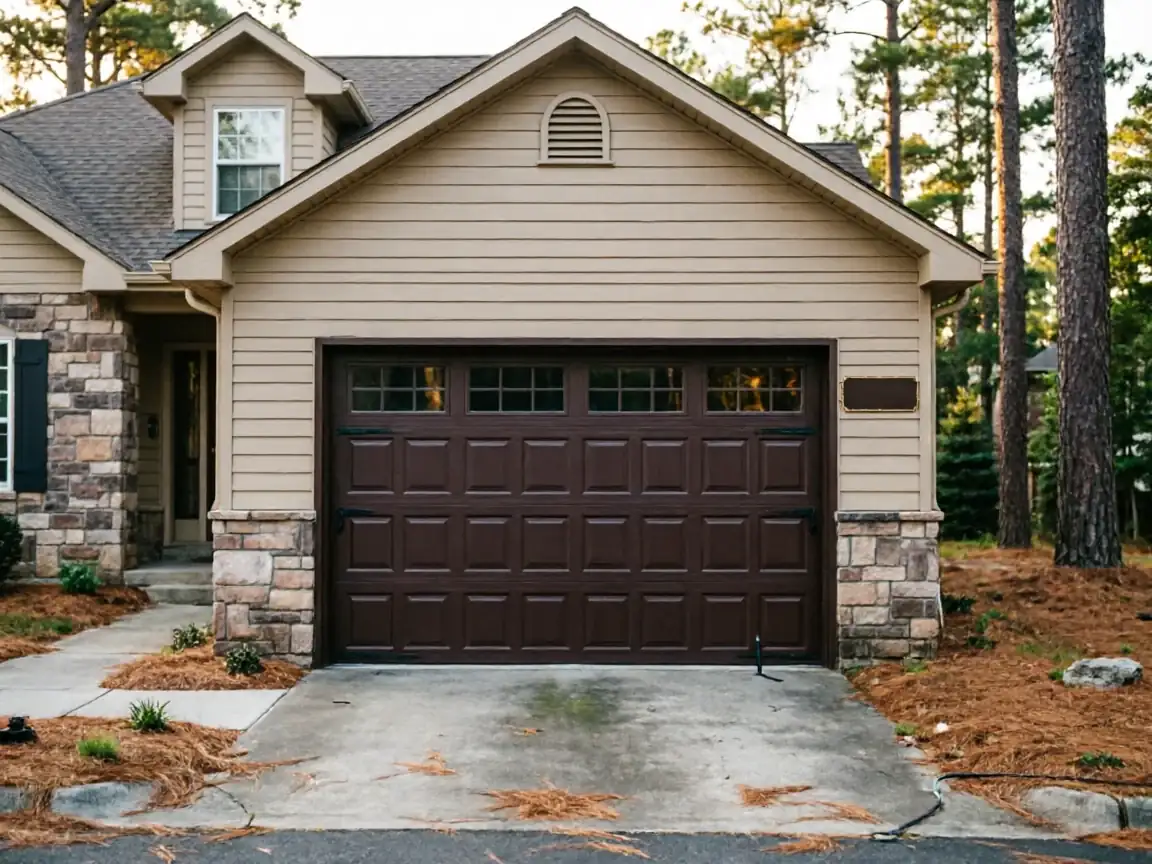
Most of the housing stock across Cartersville and the nine areas we work in went up between 1964 and 2007
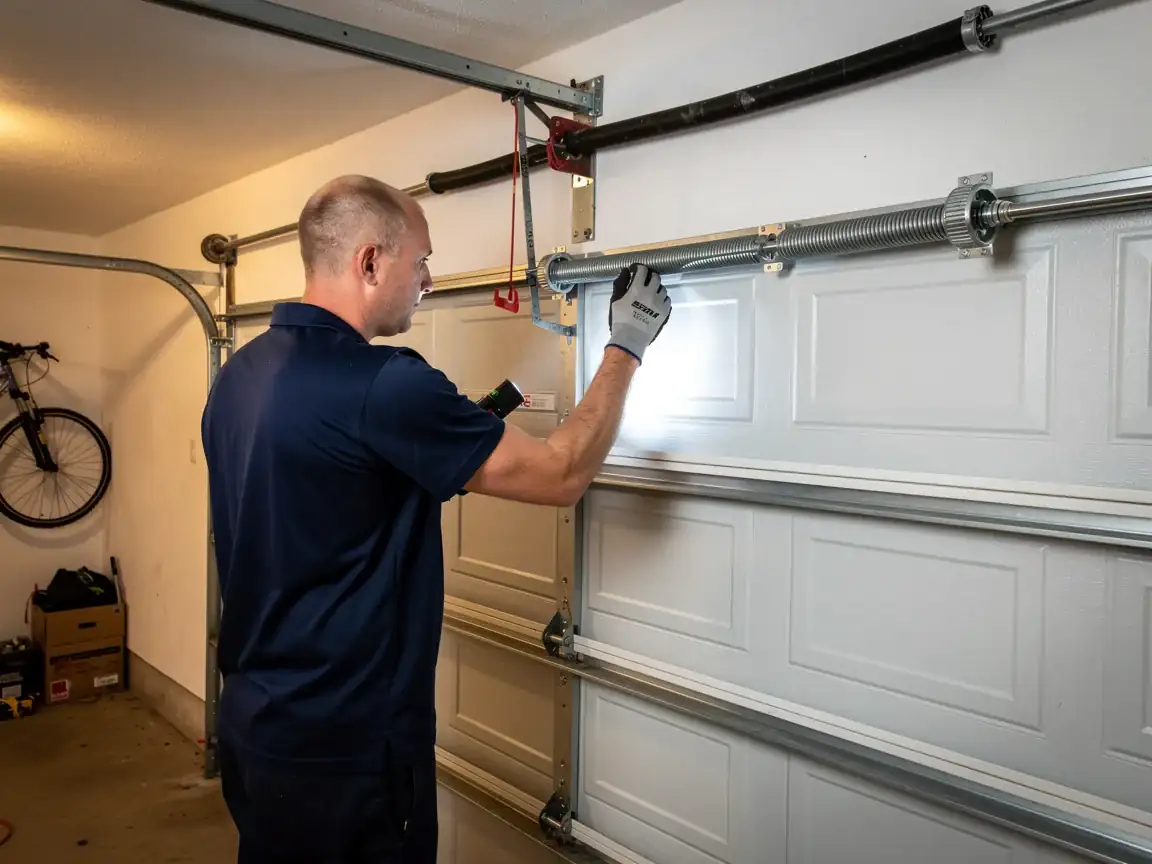
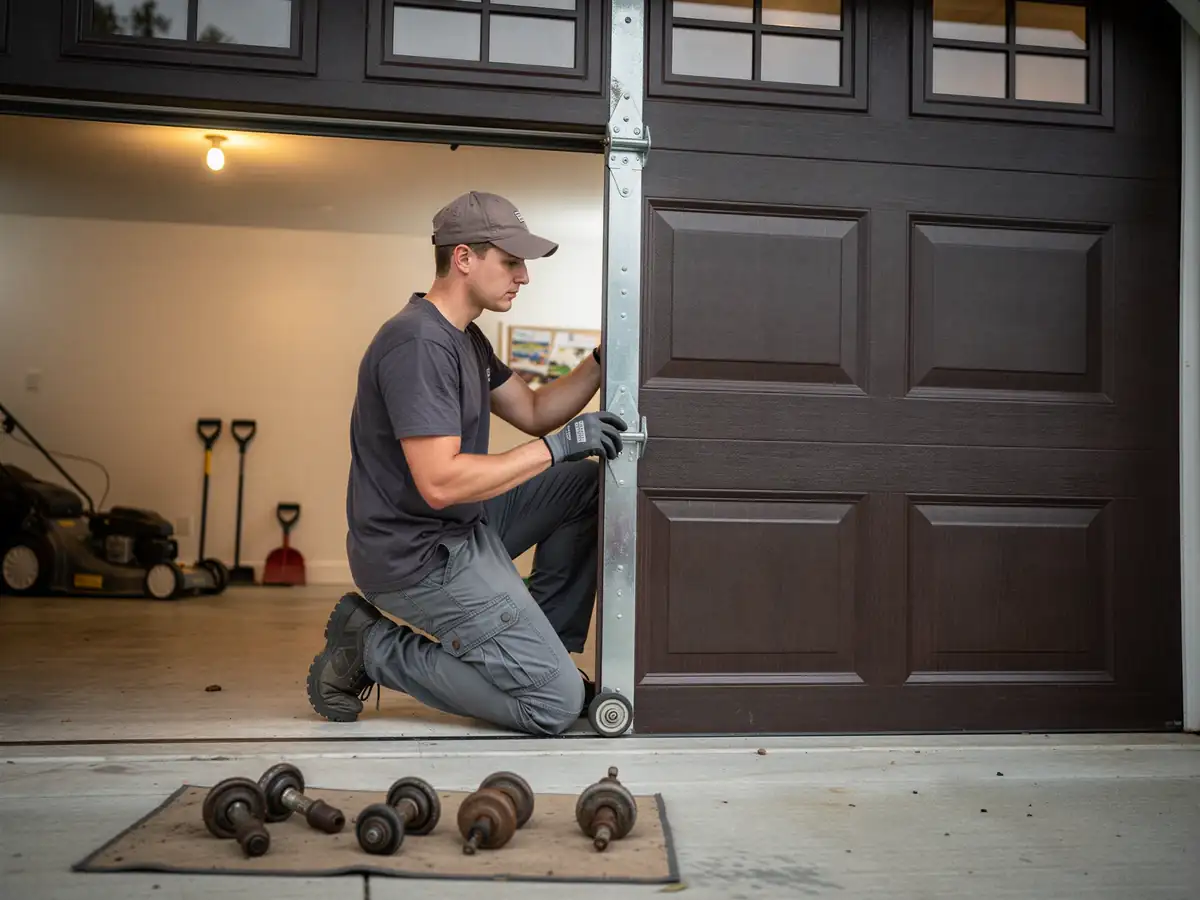
With the bulk of it dating to the 1980s and 90s. That matters for noise because it tells you what's probably inside the header above your door. A house built in the mid-80s almost always has the galvanized torsion spring and roller setup standard for that era, now pushing 35-40 years of cycles if nothing's been swapped. A house from the early 2000s is more likely to have nylon rollers and a belt-drive opener, which makes a different set of sounds when something's off.
- 40 years
The point is: the noise coming from your door is a function of what decade built it
Not a generic garage door problem. A grinding sound in a 1986 house with steel rollers on steel track means something different than the same grinding in a 2004 house with nylon rollers. We'd rather tell you what to listen for based on your house's age than hand you a one-size list that doesn't match what's actually over your car.
With 8,765 owner-occupied houses across this service area
We hear the same handful of noise patterns over and over, almost always tracking back to original 1980s-90s hardware that's simply aged out.
- 8,765 owner-occupied
What the Weather Here Does to It
This area sits in a cold-moderate climate band, which means you get real temperature swings between winter mornings and summer afternoons, but not the deep-freeze extremes that crack steel outright. What that temperature cycling does, year over year, is work on lubrication and metal fatigue. Grease in a torsion spring coil stiffens on a cold morning, so the first open of the day is where you hear a pop or a stiff grind that goes away by afternoon. That's not nothing - it's the spring telling you it's losing flexibility, and on a spring installed when the house was built in the 80s or 90s, that's expected wear, not a fluke.
Humidity swings through the seasons here also mean wood jambs and trim around the door opening expand and contract slightly year to year. On older houses in this service area, that shows up as a new scrape or rub sound where the door wasn't rubbing before, because the frame moved a little, not because the door did. We mention this because a lot of calls we get start with 'it just started making this sound out of nowhere,' and the honest answer is usually that the house and the hardware have been aging together for three or four decades, and the weather here just picked this month to make it audible.
When to Call Someone
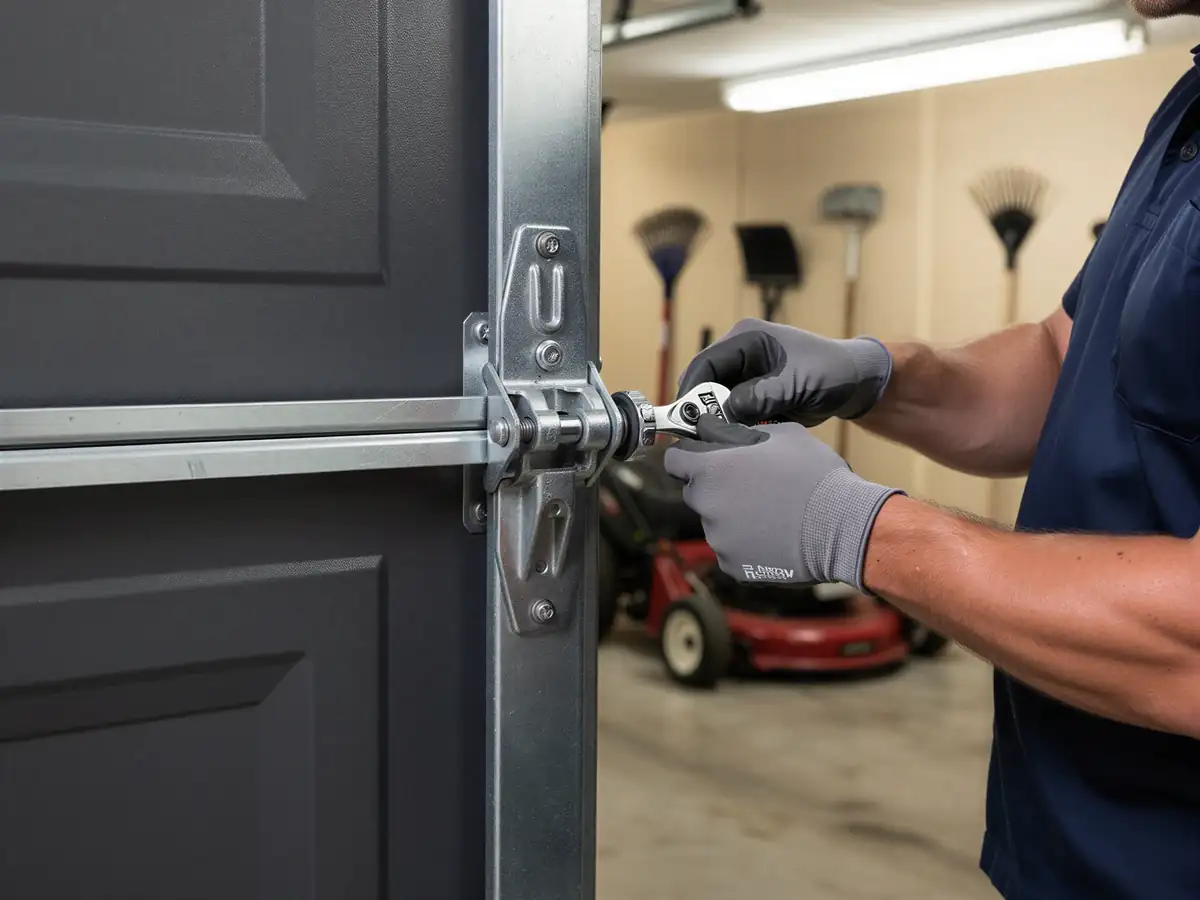
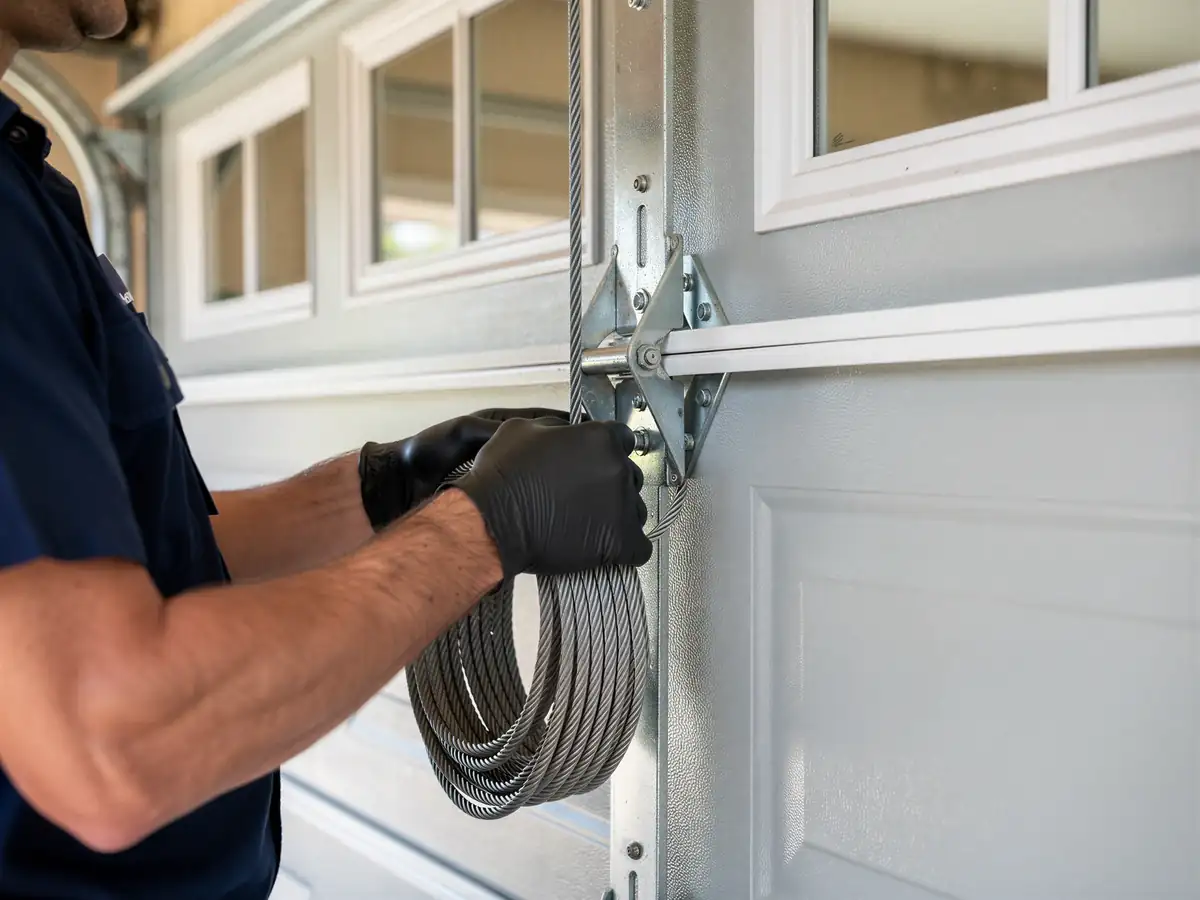
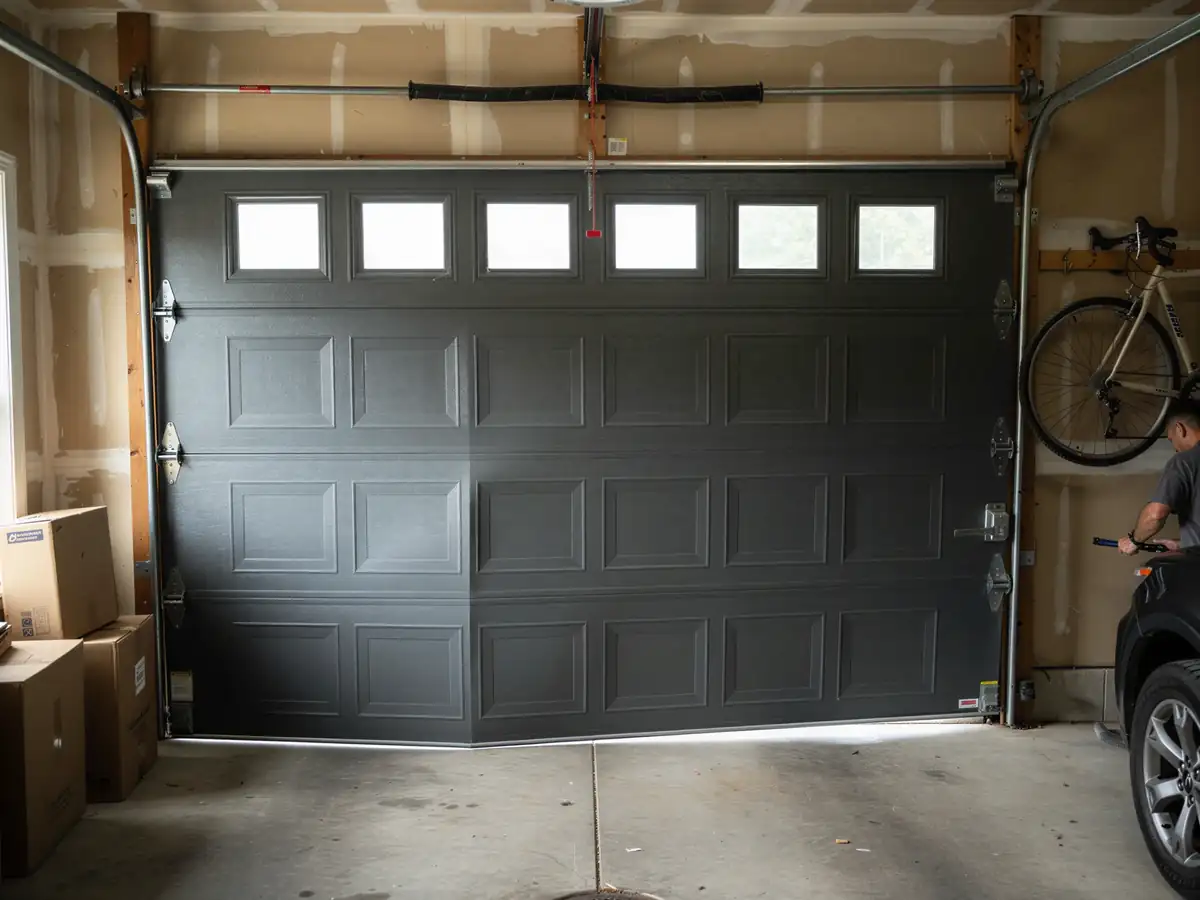
Some sounds are worth a call now, not later. A loud bang followed by the door refusing to open is almost always a broken torsion spring - don't try to force it, and don't let anyone put weight on the door while it's down. A rhythmic clunk on every rotation of the drum usually means a cable has started to fray or slip off track, which is a safety issue on a door this heavy, not a cosmetic one.
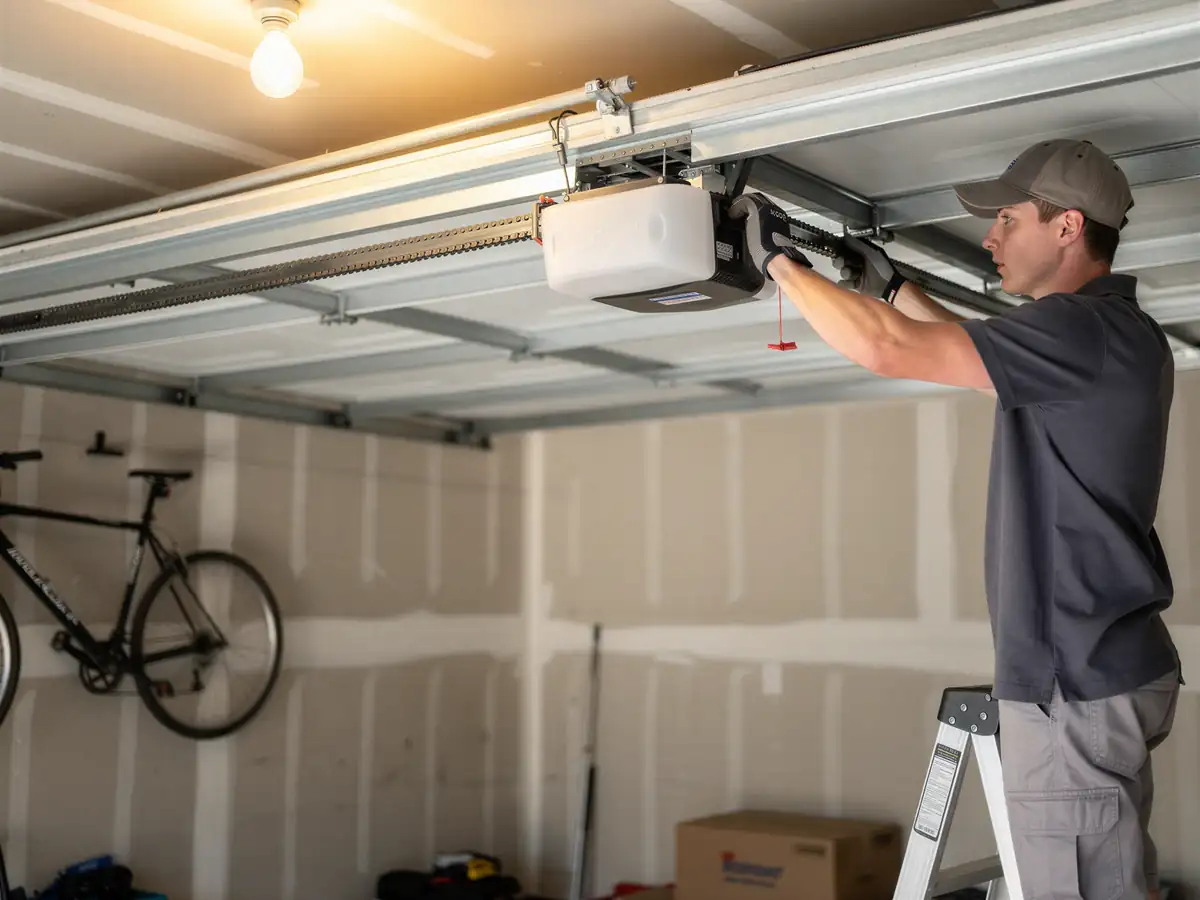
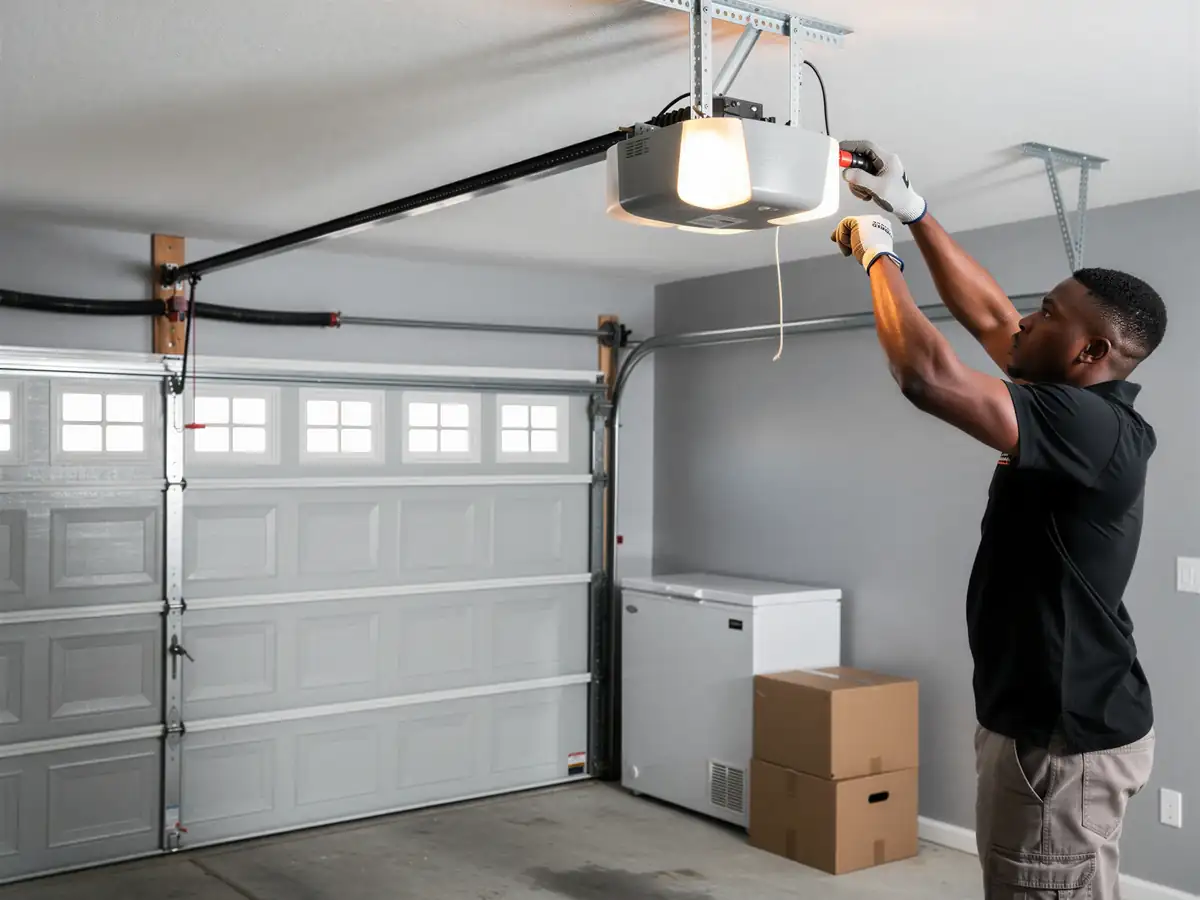
A metal-on-metal screech that only shows up on cold mornings and fades by afternoon is often just a spring or hinge that needs lubrication, something we'd tell you to try yourself before booking a job. A grinding sound from the opener motor itself, especially paired with the door moving slower than it used to, usually means the opener's gears are wearing out rather than the door hardware - on a 1980s or 90s house, that opener has likely already been replaced once or is due.
If you're not sure which category you're in, describe the sound, when it happens, and whether the door still opens and closes fully. That's usually enough for us to tell you over the phone whether it's a same-day issue or something that can wait.
Doing Nothing For Now
Not every noise needs a truck
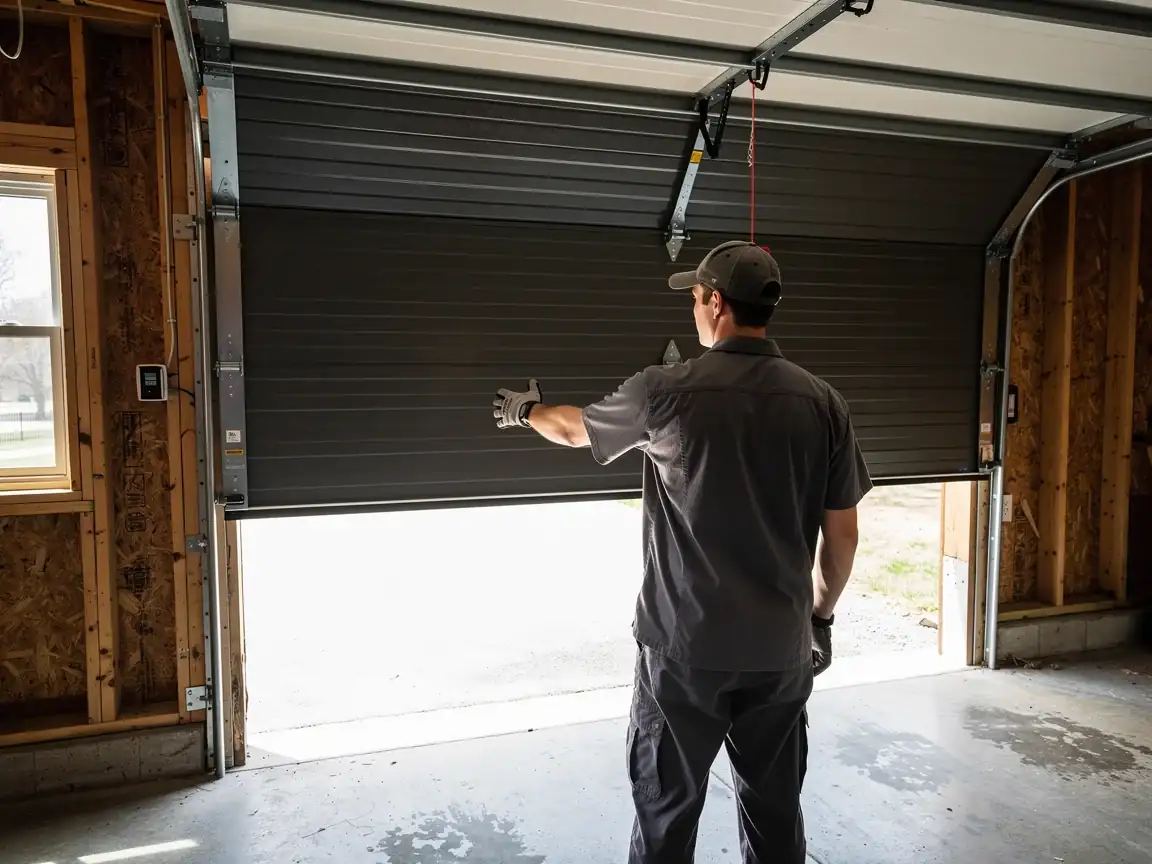
If your door still opens and closes all the way, the noise is new but mild, and it only happens in cold weather, it's reasonable to wait and see rather than book a service call. A light squeak on rollers, especially in a house from the 80s or 90s stock common here, often responds to basic lubrication you can do yourself with the right spray, and waiting a week to see if it persists costs you nothing but peace of mind.
Where we'd push back on waiting
Any noise paired with the door moving unevenly, hesitating, or reversing on its own. Those point toward spring or cable wear that gets worse, not better, and on original hardware from a house built decades ago, there's no version of that fixing itself. Parts for some of the older opener models used in this area can take longer to source than a same-week repair, which is the honest limitation here - if your opener is original to a 1980s build, we may need to replace rather than repair simply because the part isn't made anymore. That's worth knowing before you assume a quick fix is always on the table.