The Situation
Cartersville's housing runs mostly 1964 to 2007
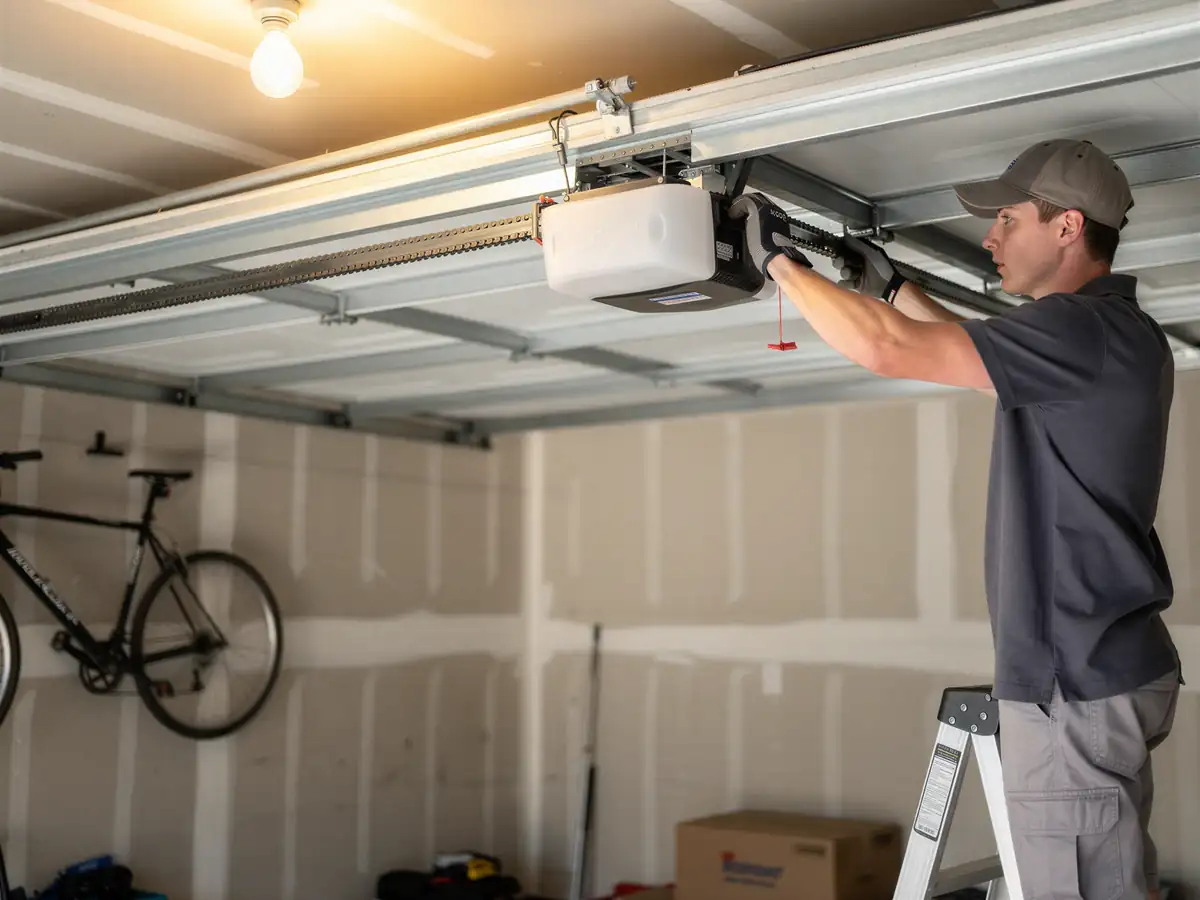
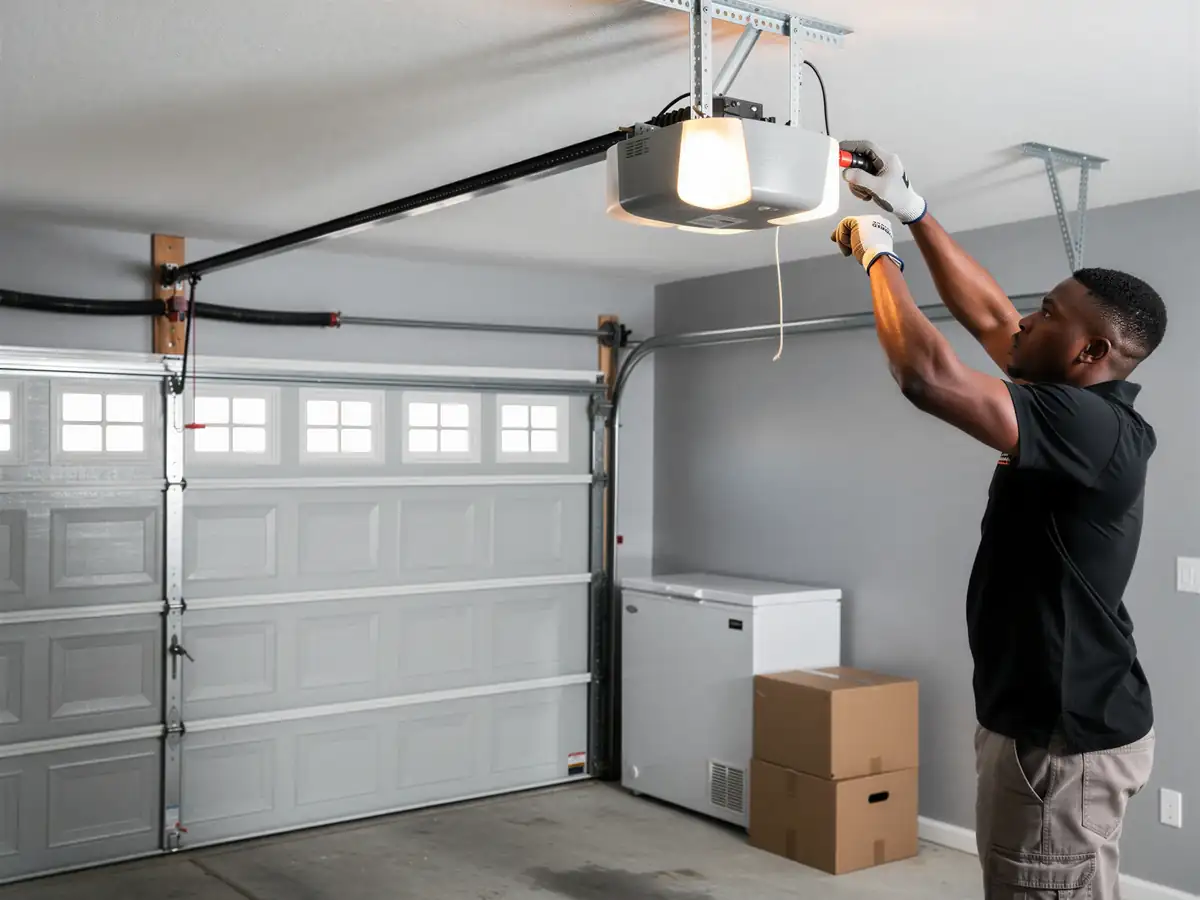
With the bulk of it going up in the 1980s and 90s across the nine areas we work in. That matters for openers because a unit installed when the house was built, or even a replacement unit from a decade or two later, usually predates battery backup as a standard feature. Battery backup on garage door openers didn't become common on mid-range units until well into the 2000s, so a lot of the openers still running in these houses are chain-drive or belt-drive models with no backup battery at all.
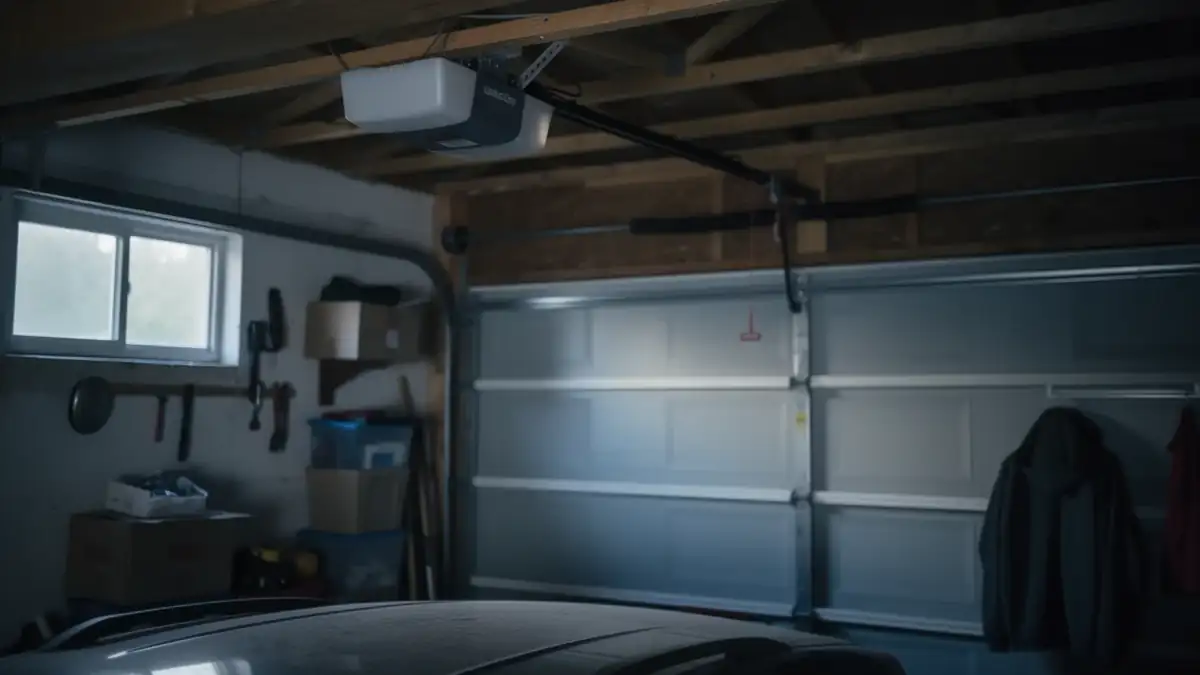
That means when the power drops, the opener just stops
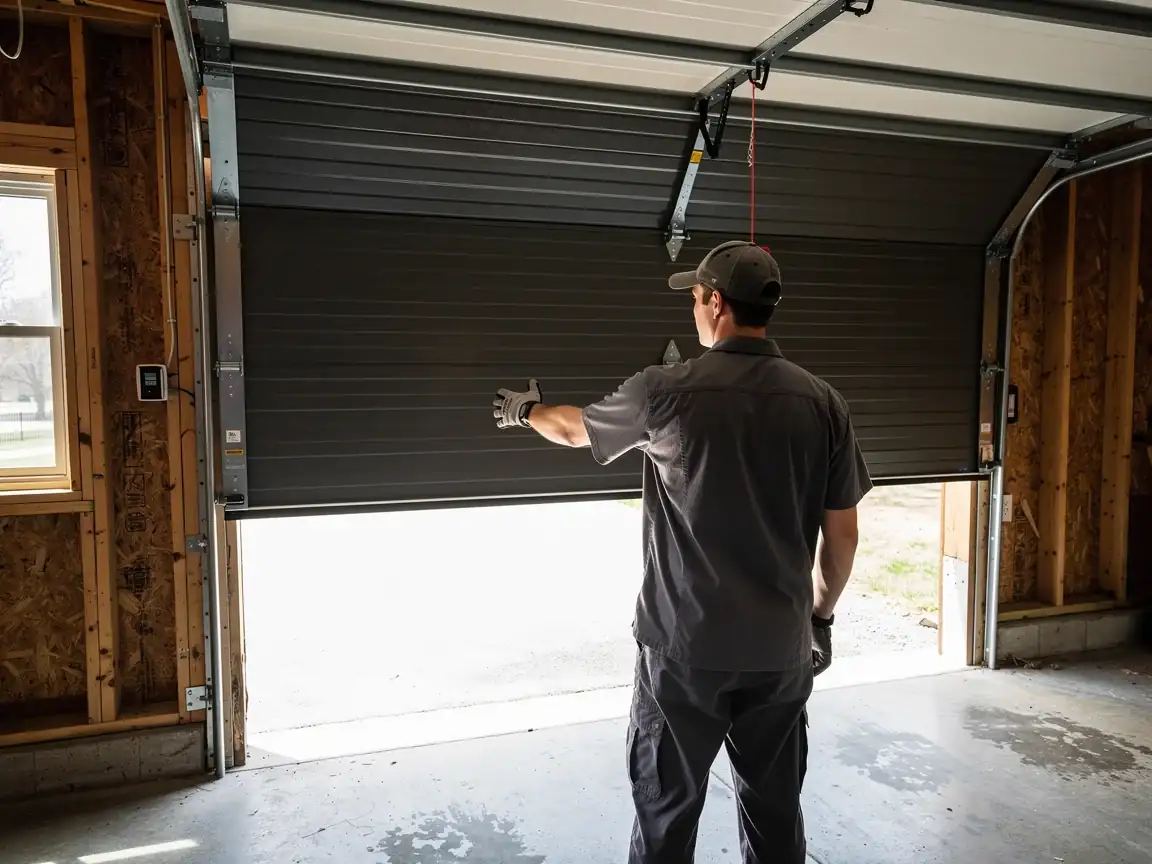
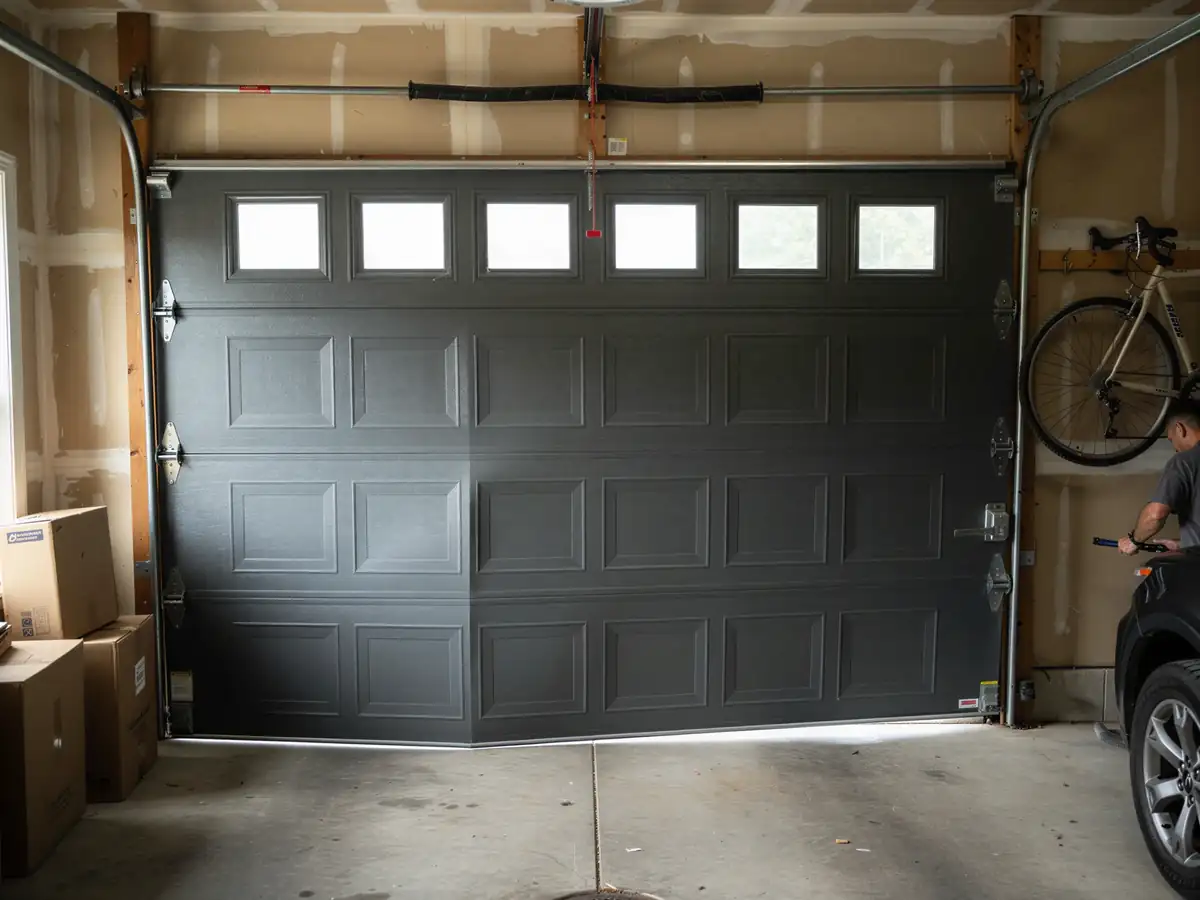
No soft glow on the wall button, no motor hum, nothing. The door sits wherever it was when the outage hit. If that happens to be halfway open, you've got a gap into the garage and the house behind it until power's back or you deal with it by hand.
This isn't a defect
It's just the math of when these houses and their openers were built versus when backup power became standard equipment. Knowing which category your opener falls into tells you whether an outage is a non-event or a problem.
What the Weather Here Does to It
Cartersville sits in a cold-moderate climate band, which means winter brings the kind of weather that actually knocks out power - ice on lines, downed limbs, the occasional hard freeze event. That's different from a town where outages are rare and short. Here, an opener without battery backup isn't a theoretical gap, it's a real one tied to the season.
Cold also stiffens grease in the rail and tightens up metal tolerances slightly, so an opener that's already struggling pulls harder right when a cold-weather outage is most likely to hit. If your opener dates back toward the older end of the 1964-2007 build range, or close to the 1980s-90s cluster most houses here fall into, that's two strikes working against you on the same night: no backup power and a motor working harder than it should in the cold.
We're not saying every outage causes an opener failure. Most houses ride out a short outage fine. It's the combination of an old unit, a cold snap, and a longer outage that turns into a call.
When to Call Someone
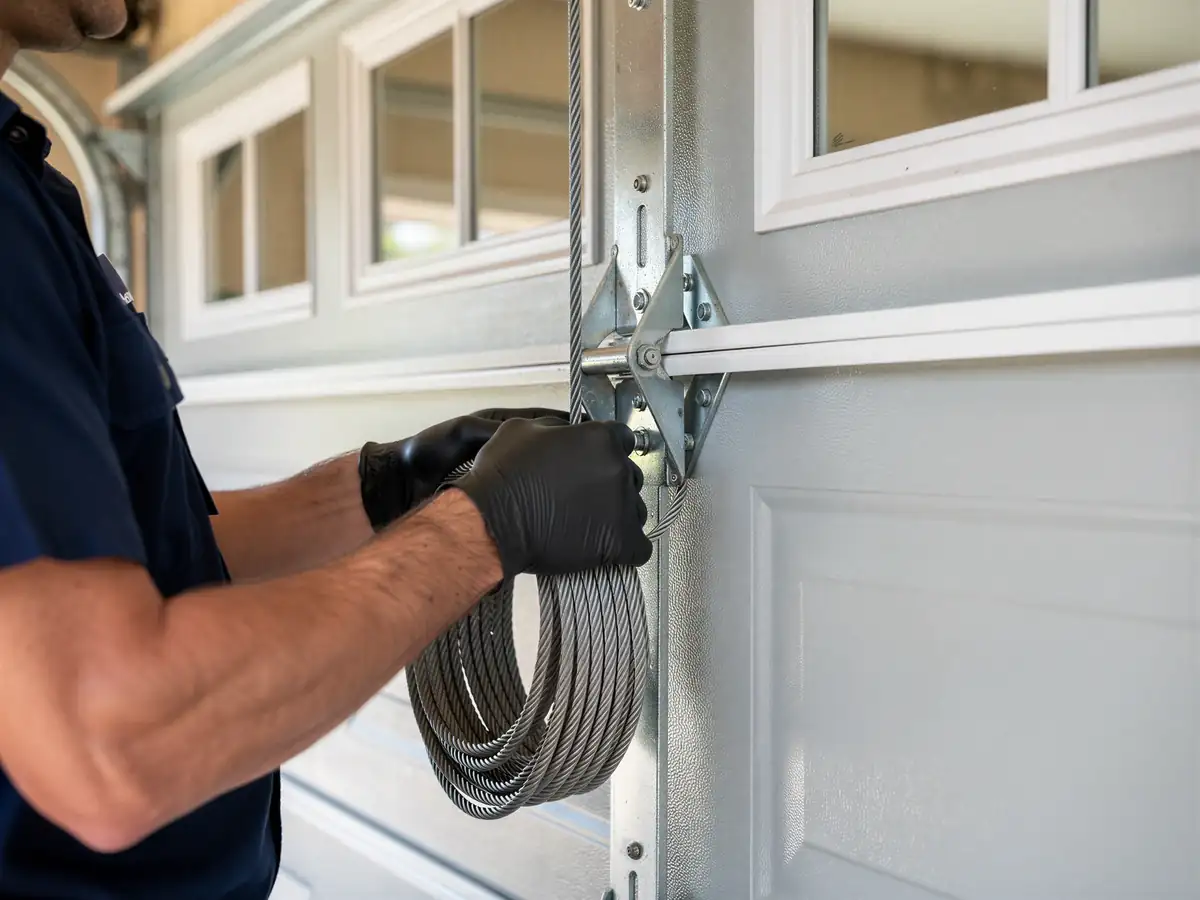
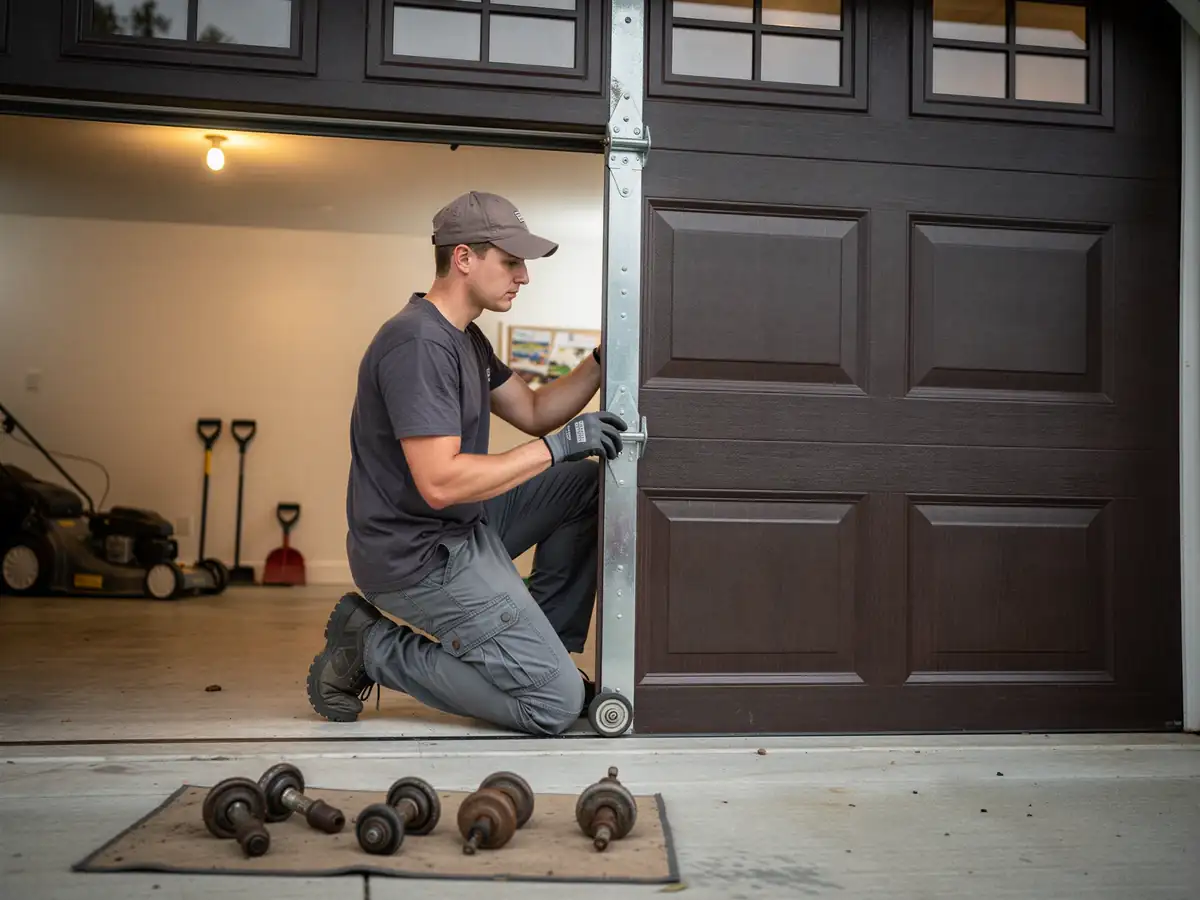
Call if the door is stuck partway open after an outage and the manual release cord won't let it drop or lift smoothly - that's usually not an opener problem anymore, it's a spring or cable problem that happened to show up at a bad time. Call if the opener runs but the door doesn't move, or moves and reverses for no reason; that's a motor or sensor issue separate from the power event itself.
Don't call just because the power went out and the opener didn't do anything - that's expected behavior for a unit with no battery backup, not a malfunction. Pull the manual release, lift the door by hand, and go about your night.
If this keeps happening every time there's a storm and you're tired of hand-cranking a door in the cold, that's a conversation about whether to add battery backup to your existing opener or replace it with a unit that has one built in. Given how many houses in this area are running 1980s and 90s vintage openers, this comes up more than you'd think.
Doing Nothing For Now
If your opener is newer and already has battery backup, there's genuinely nothing to do here
Outages won't touch your door operation and you can skip the rest of this.
If you've got an older unit and outages are rare where your house sits
It's reasonable to just keep using the manual release when needed and not spend money on a backup system you'll use twice a year. That's a fair call, and we won't talk you out of it.
Where it stops making sense to wait is if you're already finding the manual override hard to operate
Heavy door, stiff spring, bad knees, whatever the reason - because then an outage isn't an inconvenience, it's a real obstacle to getting your car out. That's the point where battery backup or a newer opener earns its cost instead of just sitting there as insurance you hope you never need.