The Situation
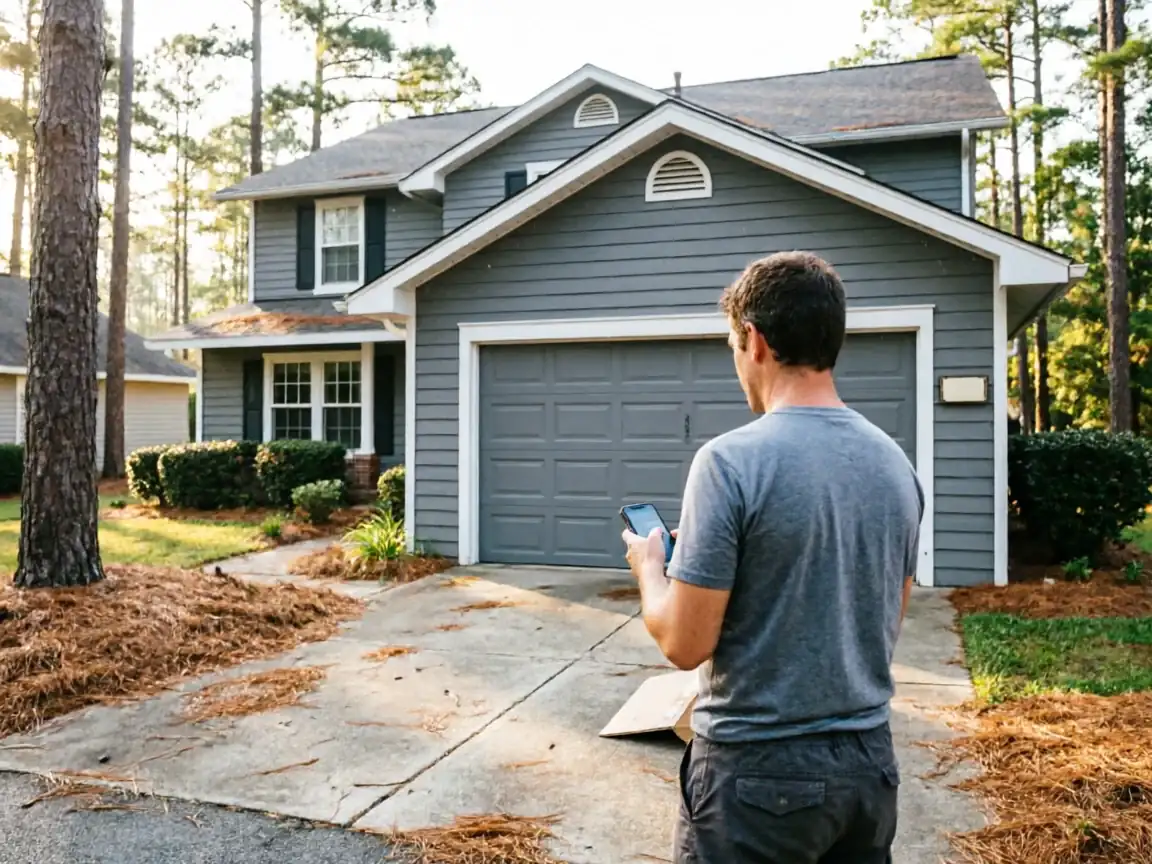
Houses here went up mostly between 1964 and 2007
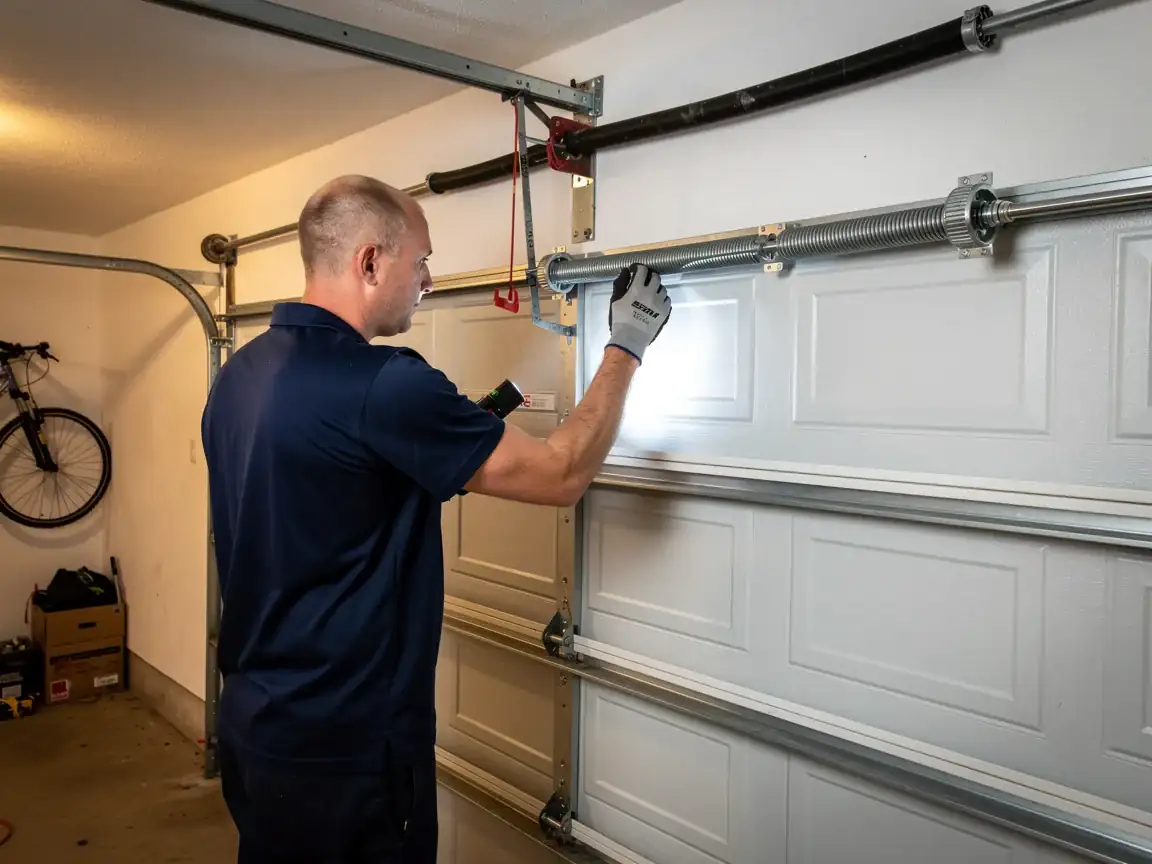
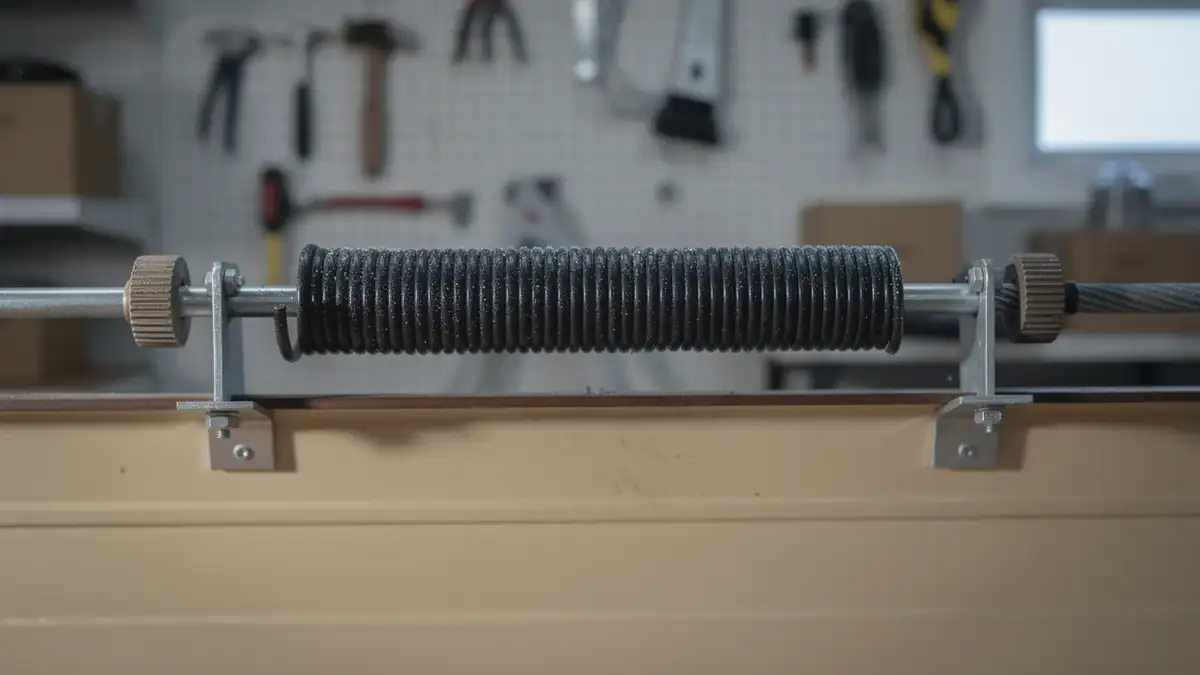
With the median sitting at 1987, so a lot of the torsion springs on the road are thirty-plus years old. That's not a guess about age - it's what the build-year spread actually says about what's hanging over the average driveway right now. A spring doesn't care how it looks from the outside. It winds and unwinds thousands of times a year, and steel that's been doing that job since the late 80s is close to the end of its rated cycle count whether the door looks fine or not.
The stock across this area is mostly 1980s and 90s construction spread over nine distinct pockets of town
Which means the same era of spring and drum hardware shows up house after house. If your neighbor's door locked up last winter, yours is probably running the same part on a similar clock. This isn't a problem specific to one street or one subdivision - it's a function of when this town built most of its houses, and that happened in a fairly tight window.
With 8,765 owner-occupied houses out of 14,336 households in the service area
There's a lot of original hardware still doing daily work. Most of it holds up fine for years. The failures cluster in winter for a reason, and that's the next part.
- 8,765 owner-occupied
- 14,336 households
What the Weather Here Does to It
Winters here fall in the cold-moderate band, so temperatures swing enough to stiffen steel and tighten tolerances without hitting the deep-freeze extremes that crack doors outright. That distinction matters. A torsion spring loses a little flexibility every time the metal gets cold, and lubricant inside the coils thickens up right when the door needs it to move smoothly. On a 1980s-era spring that's already near the end of its cycle life, a cold morning is often the push that finishes the job rather than the cause of it.
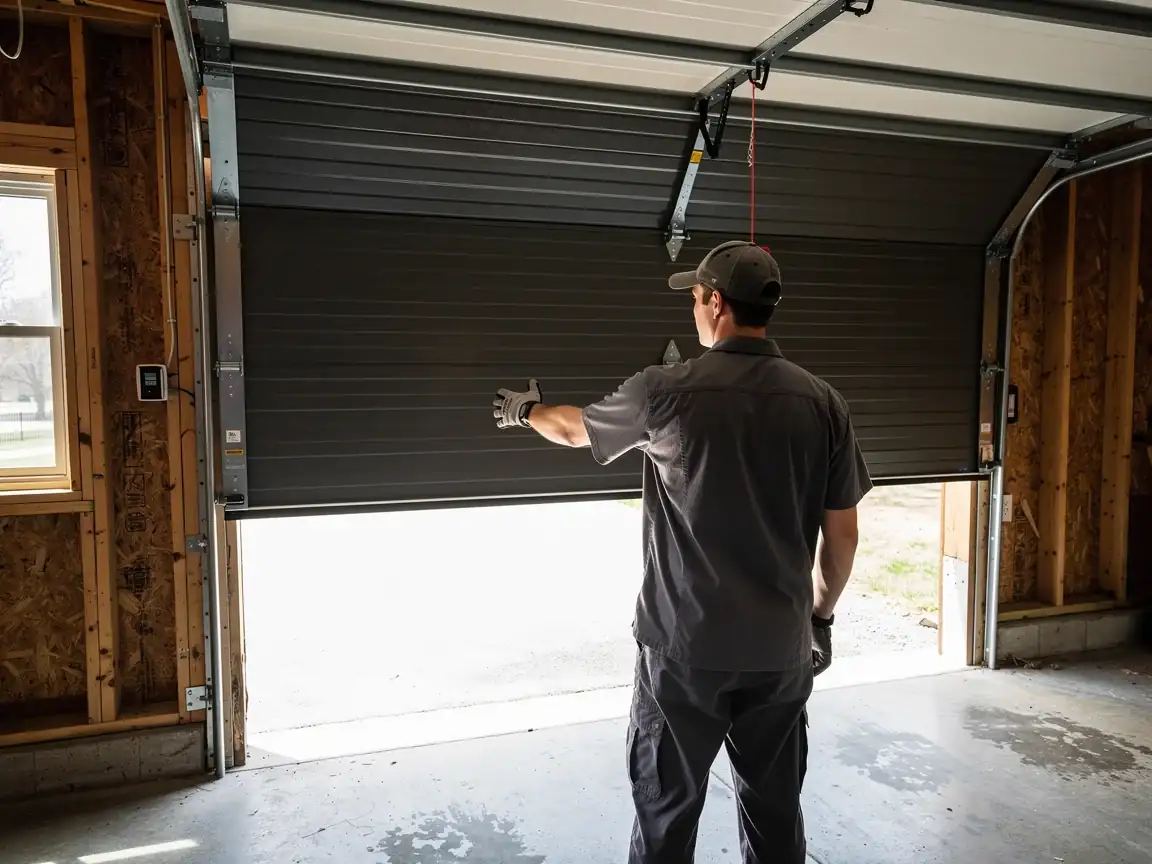
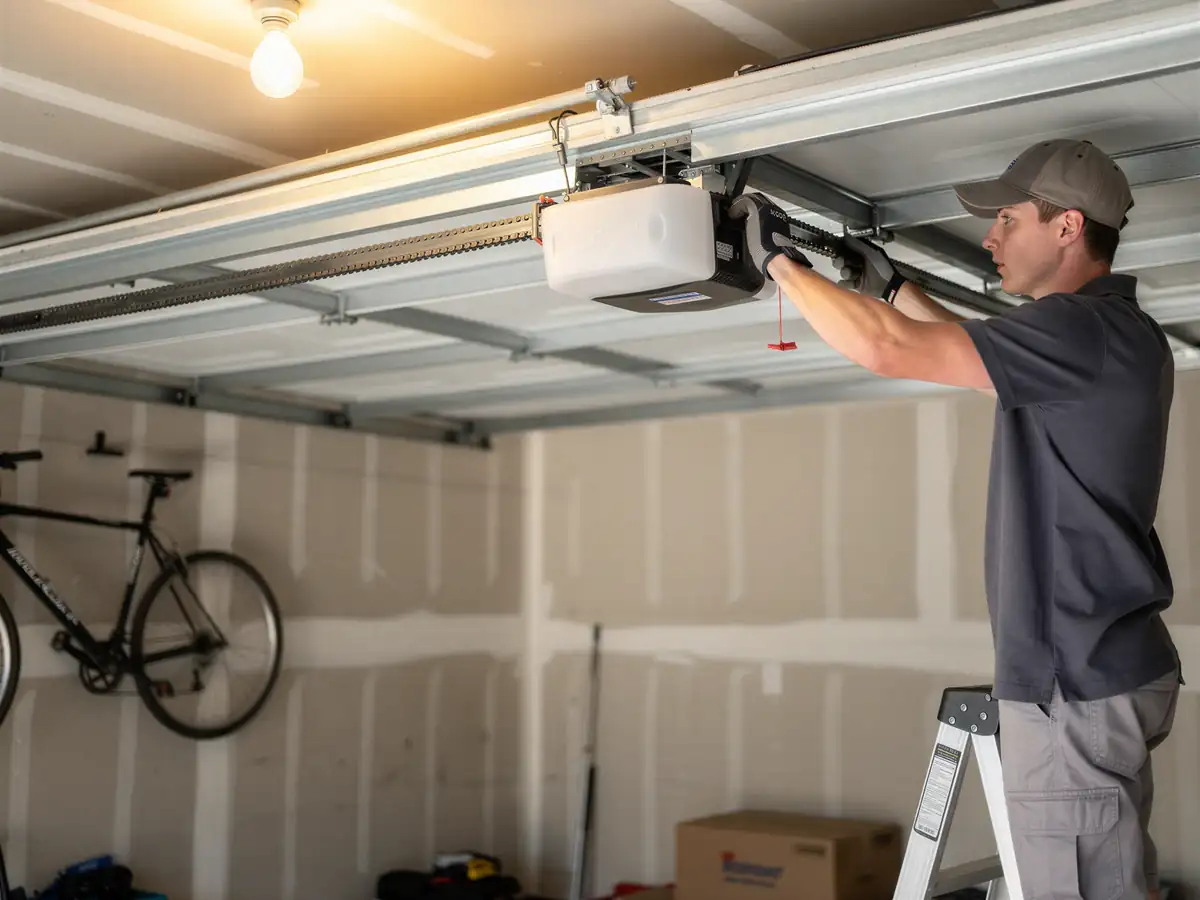
You'll usually hear it before you see it - a loud bang from the garage, or the door suddenly feels twice as heavy when you try to lift it by hand. Sometimes it's quieter: the opener strains, stalls halfway, and reverses. That's the opener doing its job and refusing to fight a dead spring.
This is also where a lot of people make the wrong call. A sluggish door on a cold morning isn't always a dying spring - sometimes it's just stiff grease. But if the stiffness shows up every cold snap and the door's hardware dates back to the house's original build year, the odds shift toward a spring that's actually failing, not just cold.
When to Call Someone
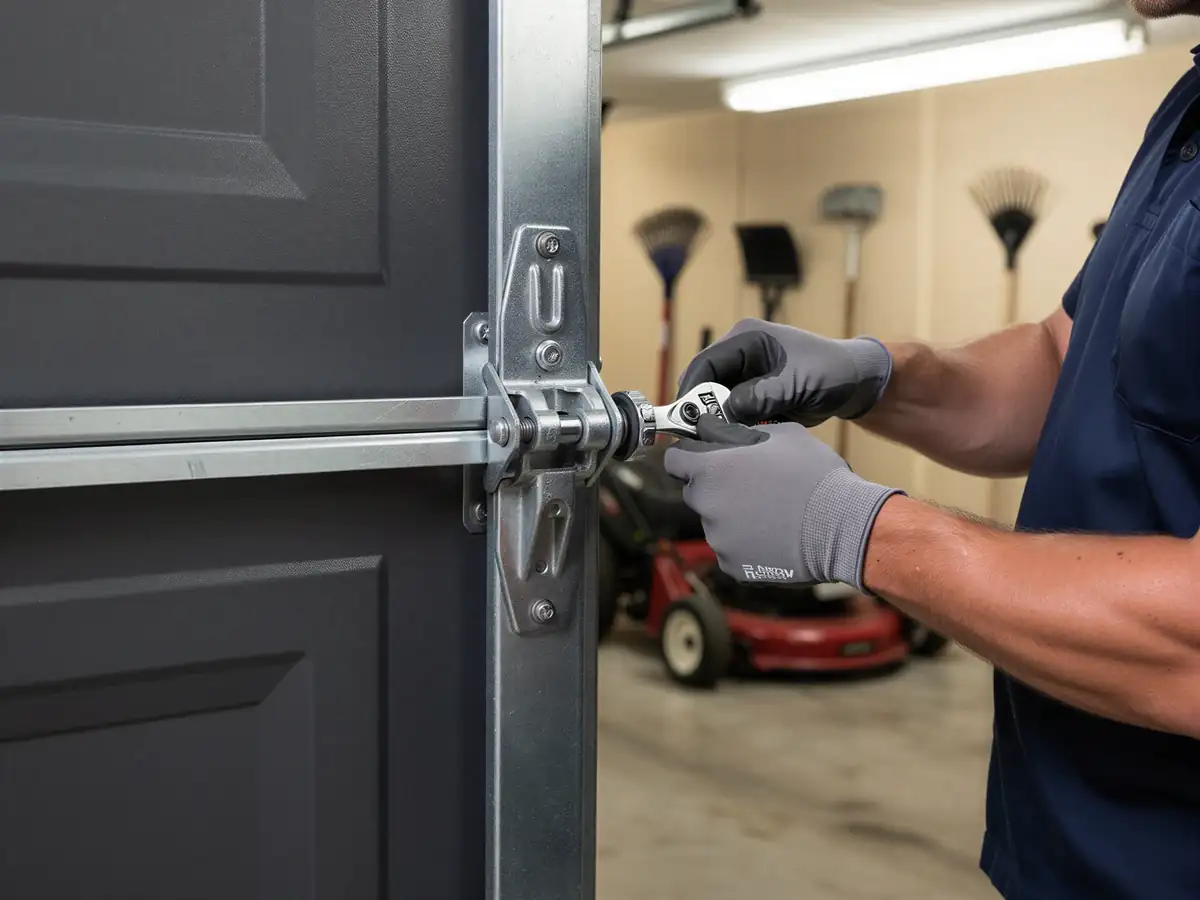
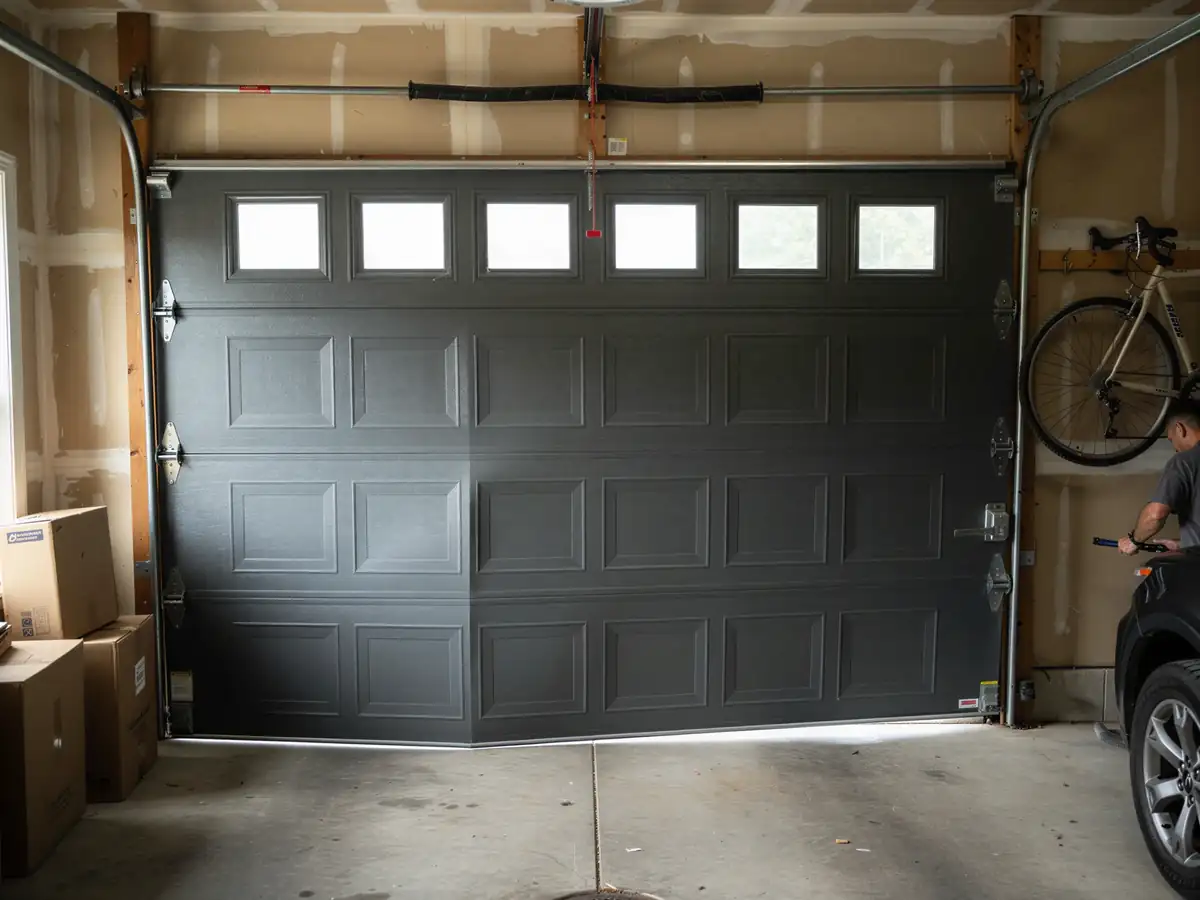
A spring that's visibly separated - a gap in the coil, or one half hanging loose above the door - is not a wait-and-see repair. That's a call-now situation, because the cable and drum on that side are no longer under proper tension and the door can come down unevenly or fast. Don't try to open it manually past that point.
If the door is just heavy and slow, but the spring still looks intact, that's worth a call too, just not an emergency one. A technician can check wind tension and cycle count without you guessing from the floor.
With a median household income of $76,424, most owners here can budget for a same-week spring replacement rather than treating it as an emergency loan, which is worth knowing before you panic and pay rush pricing you didn't need to pay. Replacement, not repair, is almost always the right move on a torsion spring - they're not something you patch. One spring going usually means its pair isn't far behind, since they're matched and wound the same number of cycles since installation.