How We Fix It
We start at the wall button and work backward
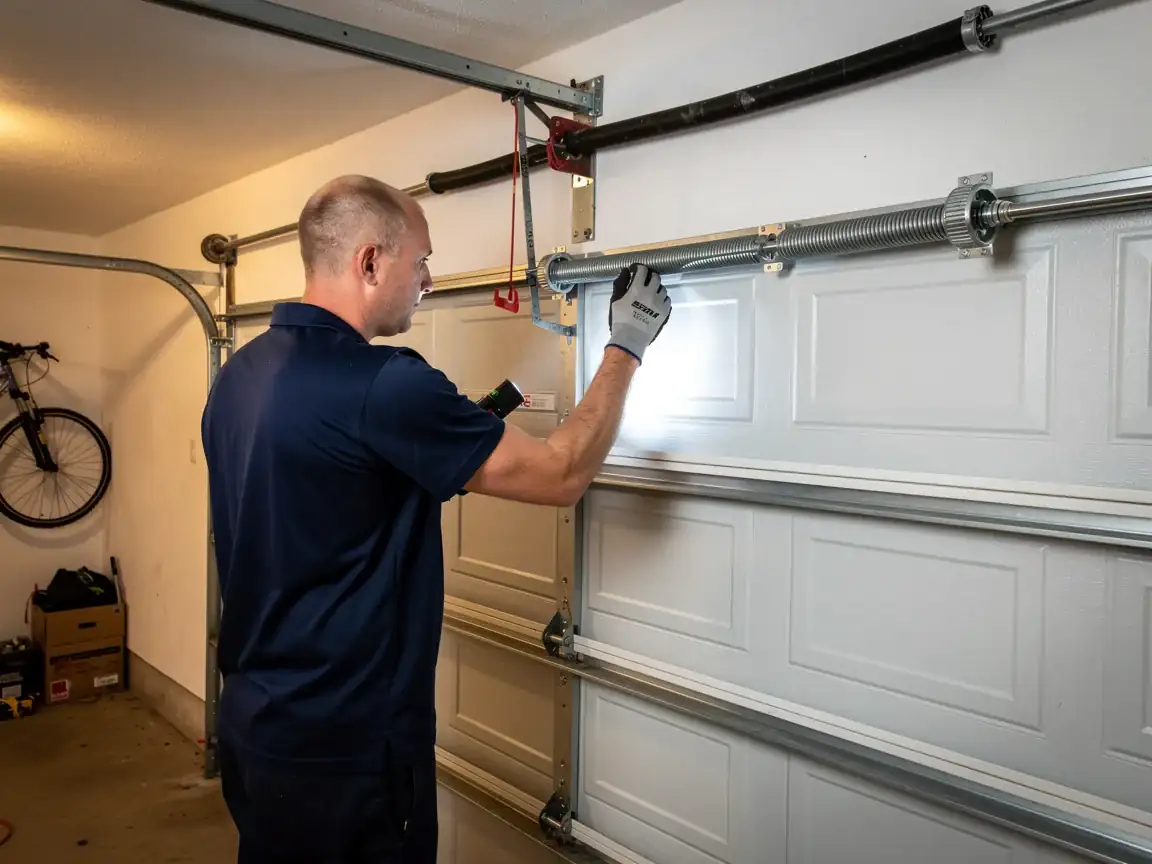
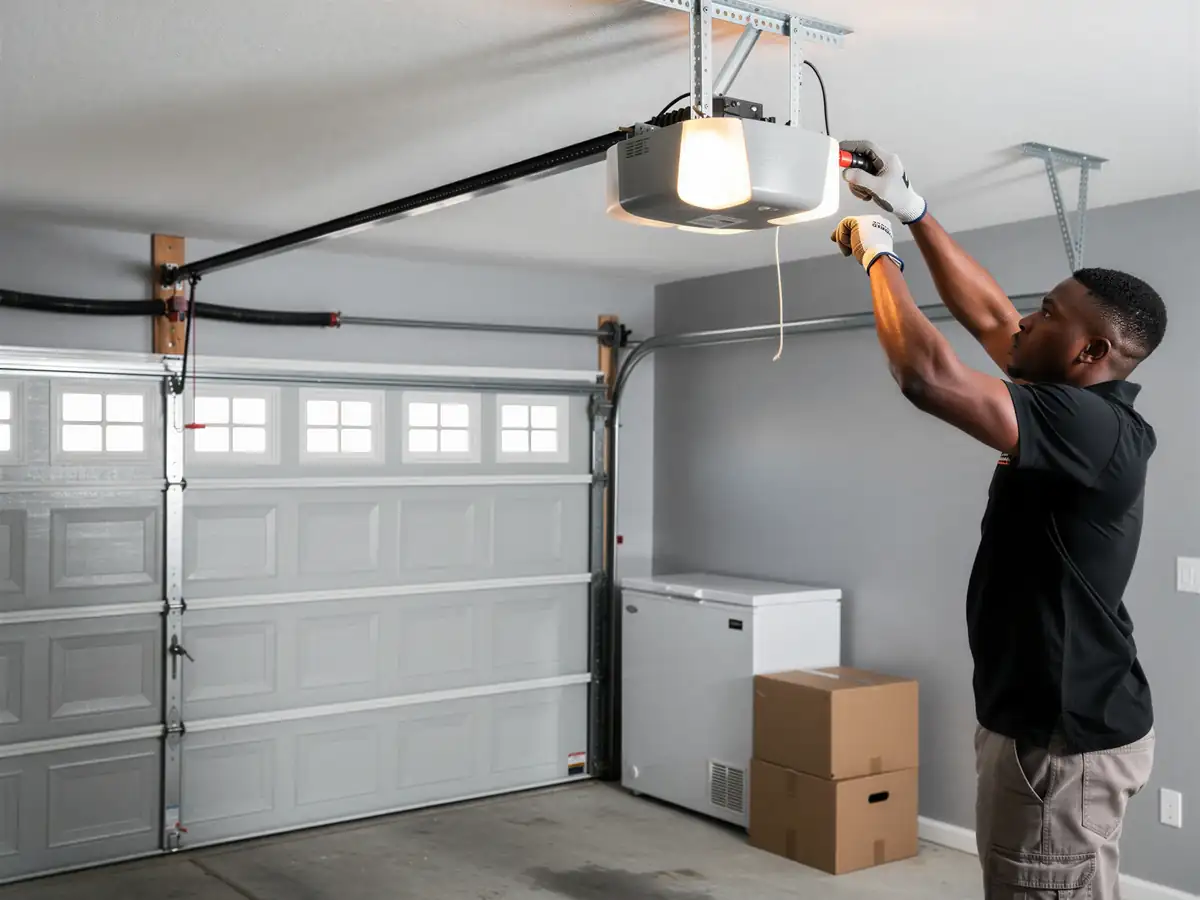
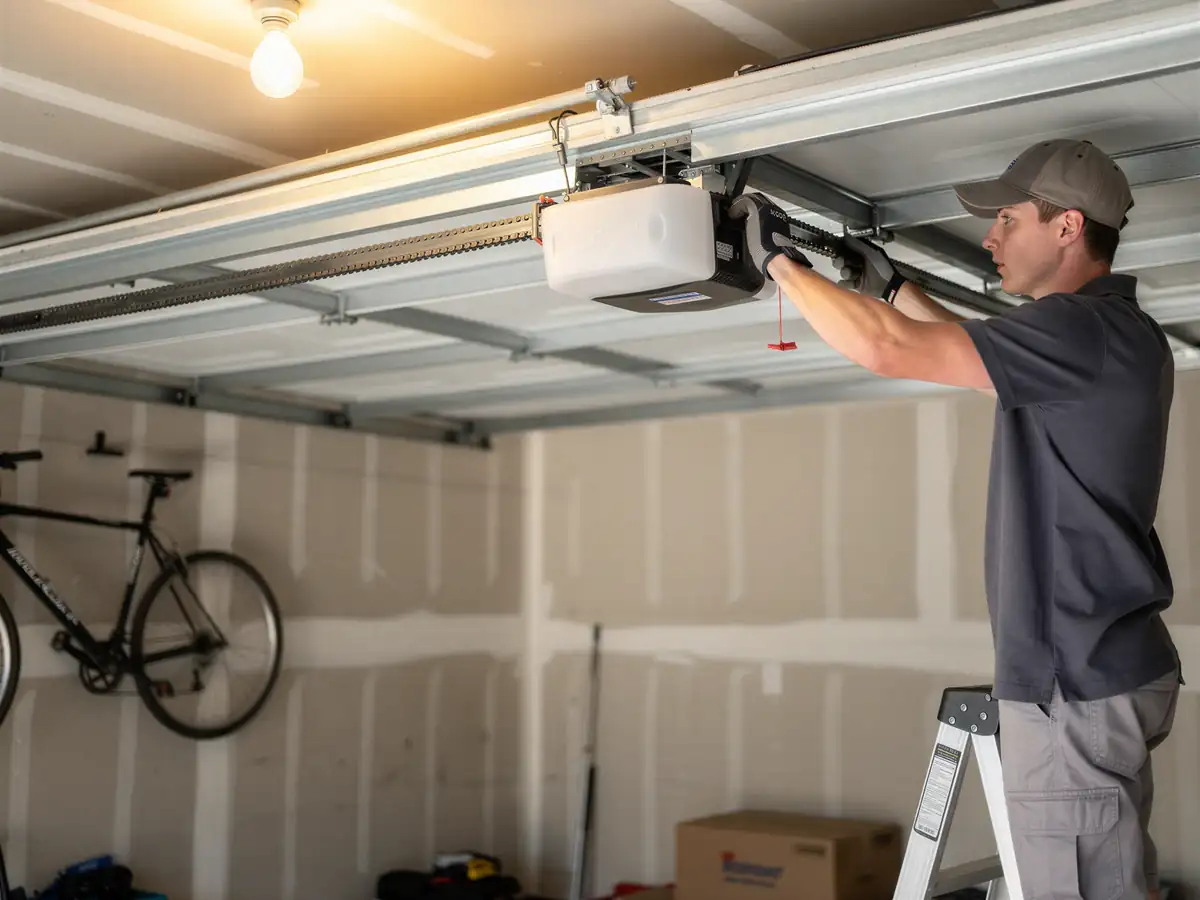
Power to the unit, travel limits, force settings, then the safety sensors at the bottom of the track. On a chain or belt drive opener that's been running since the house was built, the first thing we check is the drive gear - it's a small plastic part behind the sprocket cover and it's usually why the motor hums but the door doesn't move. If the opener predates modern rolling-code boards, which is common across the 1980s-90s stock that makes up most of this area, we test the logic board and the radio receiver separately before replacing anything. Circuit boards fail quietly: the light still comes on, the opener just stops listening to the remote. We carry parts for the drive systems that show up most often here - gear kits, sprockets, sensor eyes, and capacitors - so most of these jobs close out in one visit. If a board is discontinued or the opener itself is past the point of sourcing parts, we'll say so and give you the honest number on repair versus a new unit, rather than chase a part that may not exist anymore.
We don't carry every opener brand's proprietary board on the truck
So a same-day fix on a rare or very old model sometimes means a return trip once the part's in.
Doing It Yourself
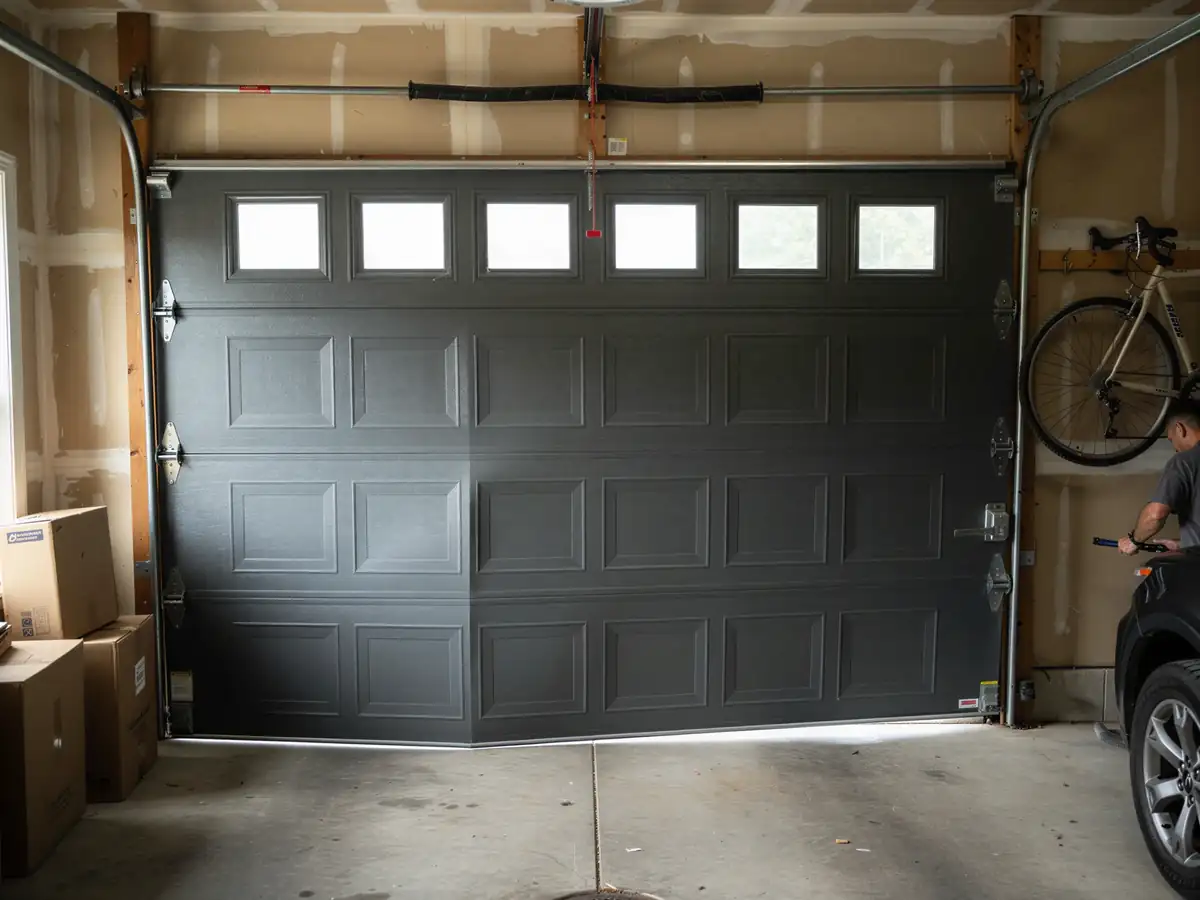
Before you call anyone, check the obvious: is the wall switch getting power, are the sensor lights at the bottom of the track both solid and aimed at each other, and has anything blocked the sensor beam. Dust, a leaf, or a spider web across that beam is a five-minute fix and the single most common reason an opener reverses or won't close. Wipe the sensor lenses with a dry cloth and nudge them until both lights go solid.
If the door moves partway and stops, listen for grinding - that's usually the drive gear stripping inside the housing, and it will not fix itself by hitting the button harder. If your opener is original to a house built in the 1980s or 90s, which describes a lot of the stock across this service area, the capacitor or logic board may simply be at the end of its life. That's not a DIY repair; opening the housing on a dead board risks the motor too. Know when to stop: if you smell burning plastic, see scorch marks near the board, or the motor hums but nothing moves even with the gear sound removed, shut off power at the switch and call. Chasing it further usually turns a $150 part into a $400 motor.
Why It Happens Here
Housing in this service area runs from 1964 to 2007, with a median build year of 1987, and most of the nine named neighborhoods we work in are solidly 1980s-90s construction. That means a huge share of openers out there are either original equipment nearing 30-40 years old, or a first replacement installed somewhere in the 2000s - both generations use drive gears, capacitors, and circuit boards that were never designed to run this long. Plastic drive gears degrade with age regardless of use, and shrink-and-expand cycling through a cold-moderate climate band accelerates that wear on anything with a seal or a sensor gasket. Temperature swings between a cold winter morning and a warm afternoon also shift the metal track and header slightly, which can throw sensor alignment out just enough to cause random reversing - a complaint we hear a lot from owners who assume the opener itself is broken when it's really the sensors that moved. None of this is unique to one house; it's the pattern across a service area built mostly in a 25-year window, which is why the same three or four failure points keep showing up on different streets.
What You Are Seeing
Door reverses right before it closes, no obvious obstruction
Check sensor alignment first, failing board second. Opener runs but the door doesn't move: almost always the drive gear. Remote works sometimes but not consistently from the same spot in the driveway: antenna or receiver issue on the board, more common on openers original to 1980s-90s construction. Opener is dead silent, no light, no hum: check the breaker and the wall switch before assuming the motor itself is gone - a tripped breaker after a storm is more common than a burned-out motor.
Loud grinding on every cycle, door still moves
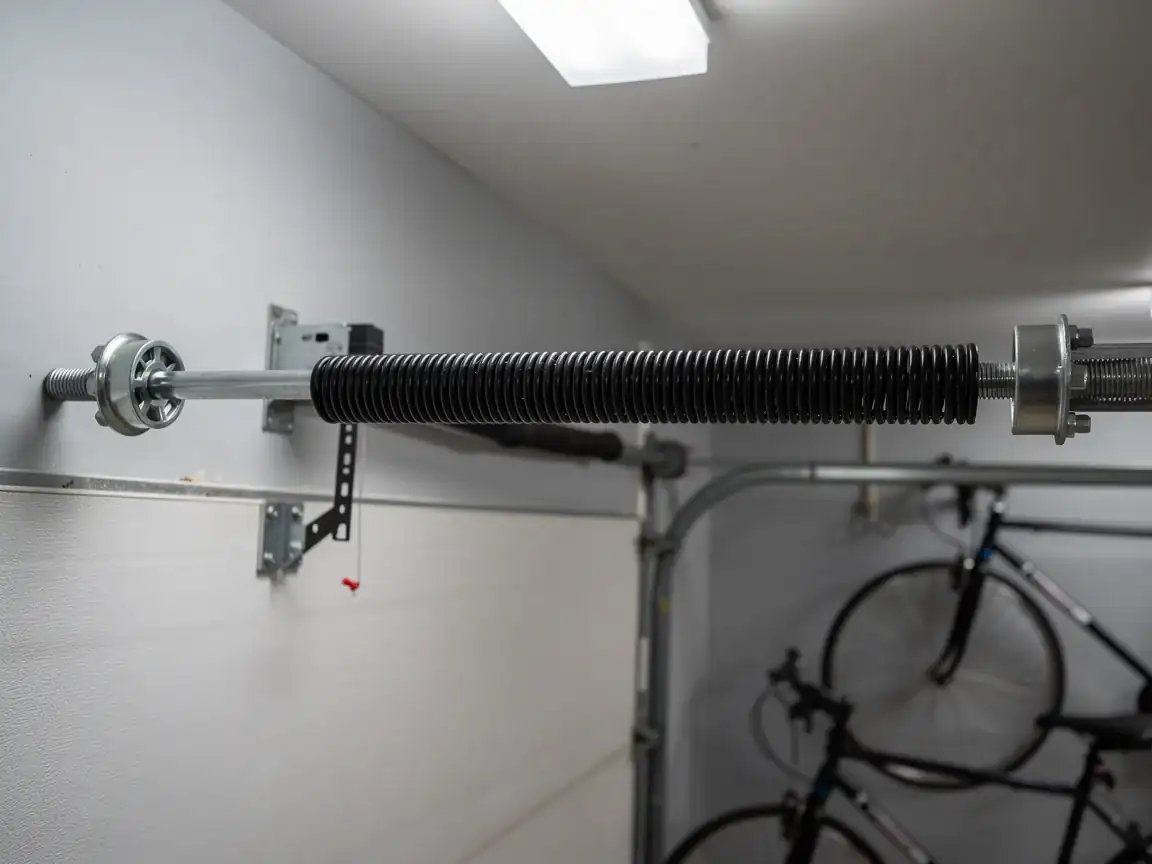
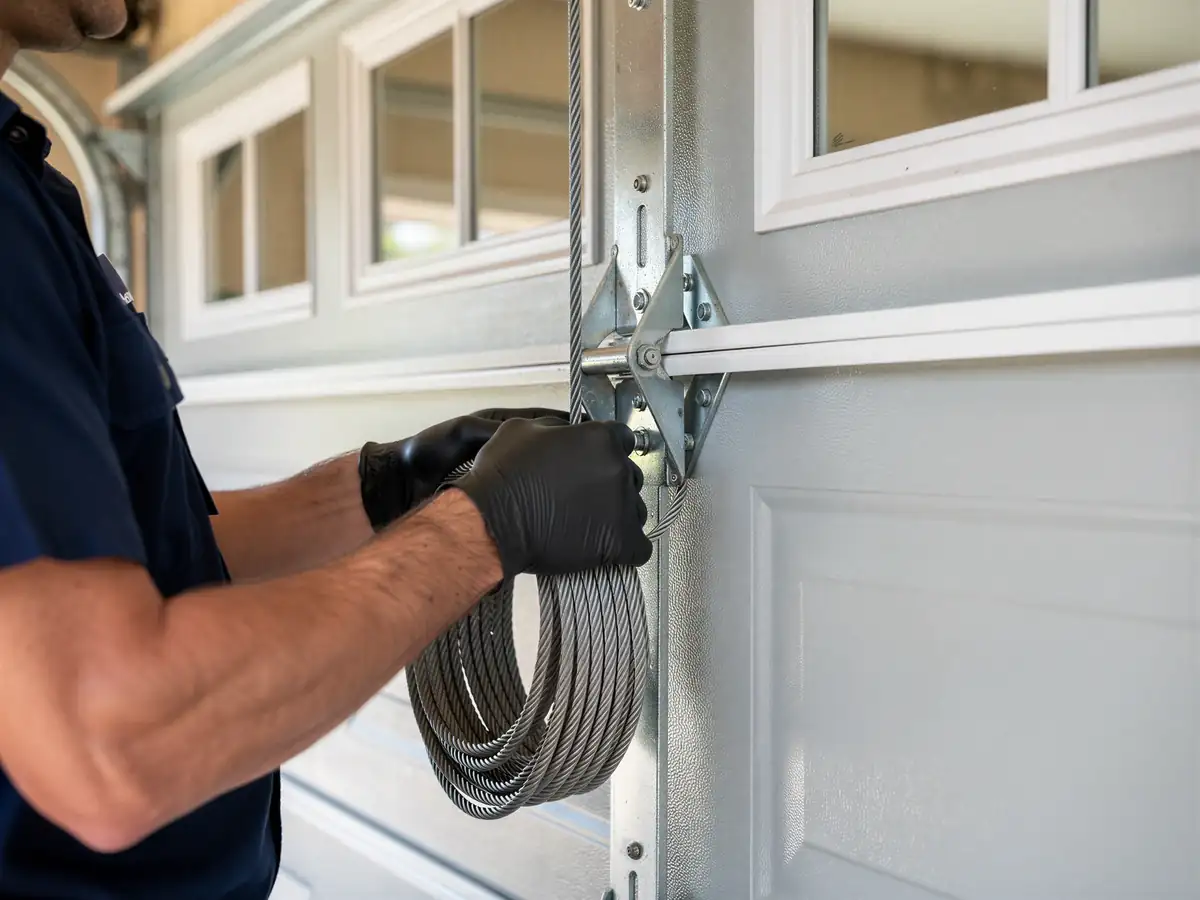
The gear is close to stripping completely and will fail soon, not eventually. Door opens fine but closes slowly or unevenly: that's often a spring or cable issue riding along with the opener complaint, not the opener itself, and worth telling us about when you call so we check the right thing first. We also work the surrounding area - households as far out as Fairmount, Rockmart, and Hiram call in with the same opener-age pattern.