Doing It Yourself
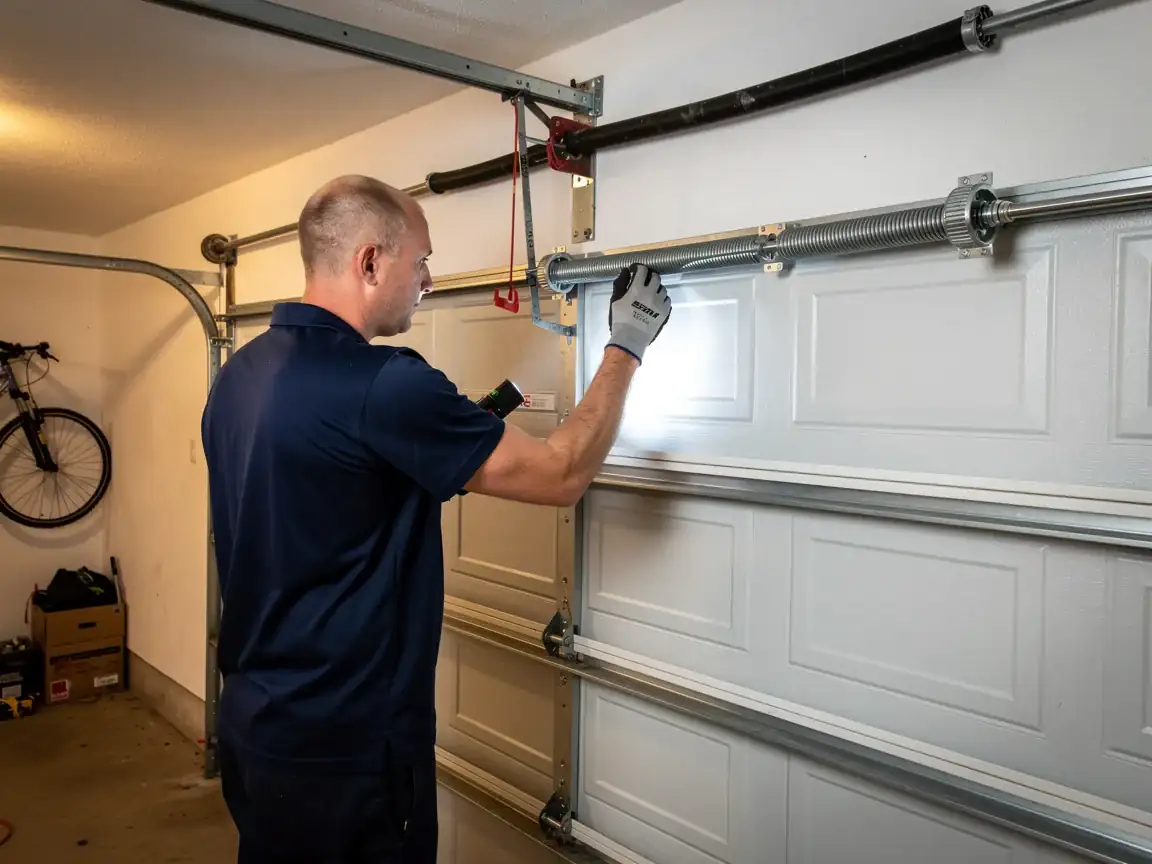
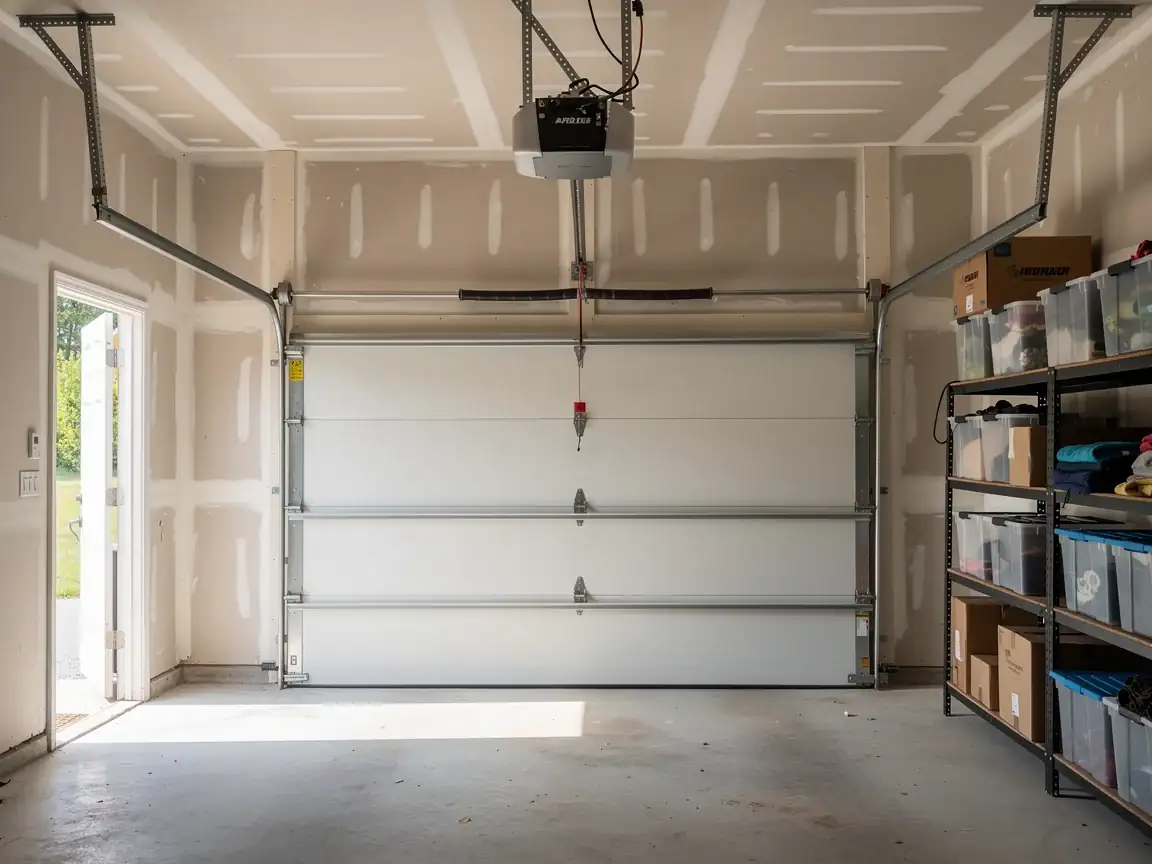
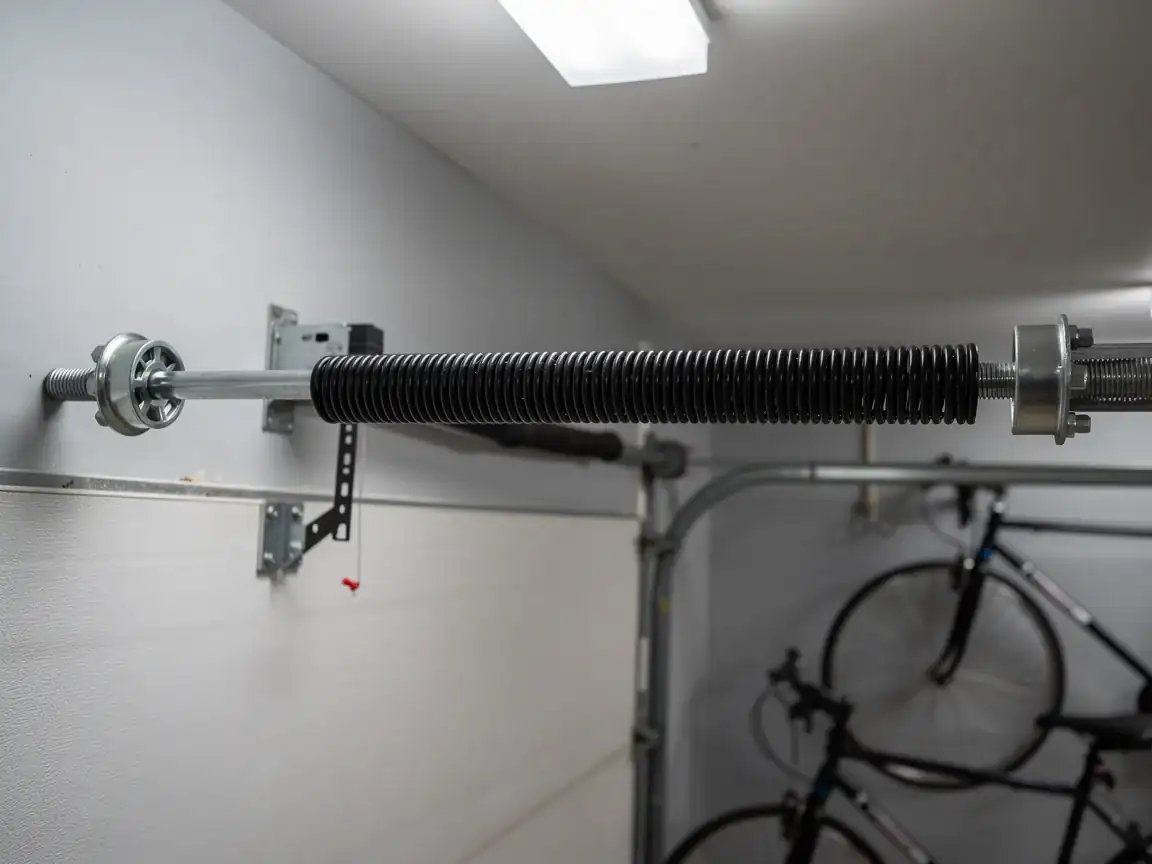
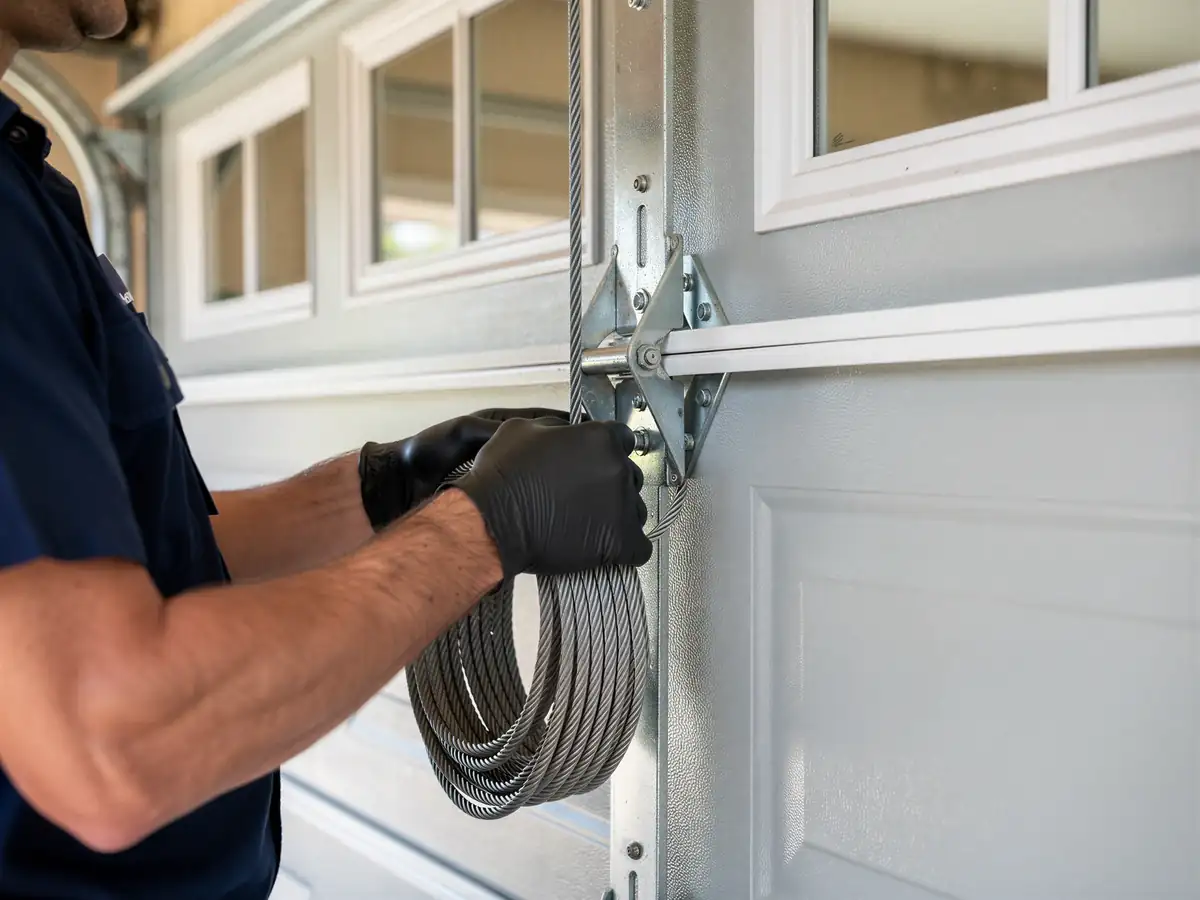
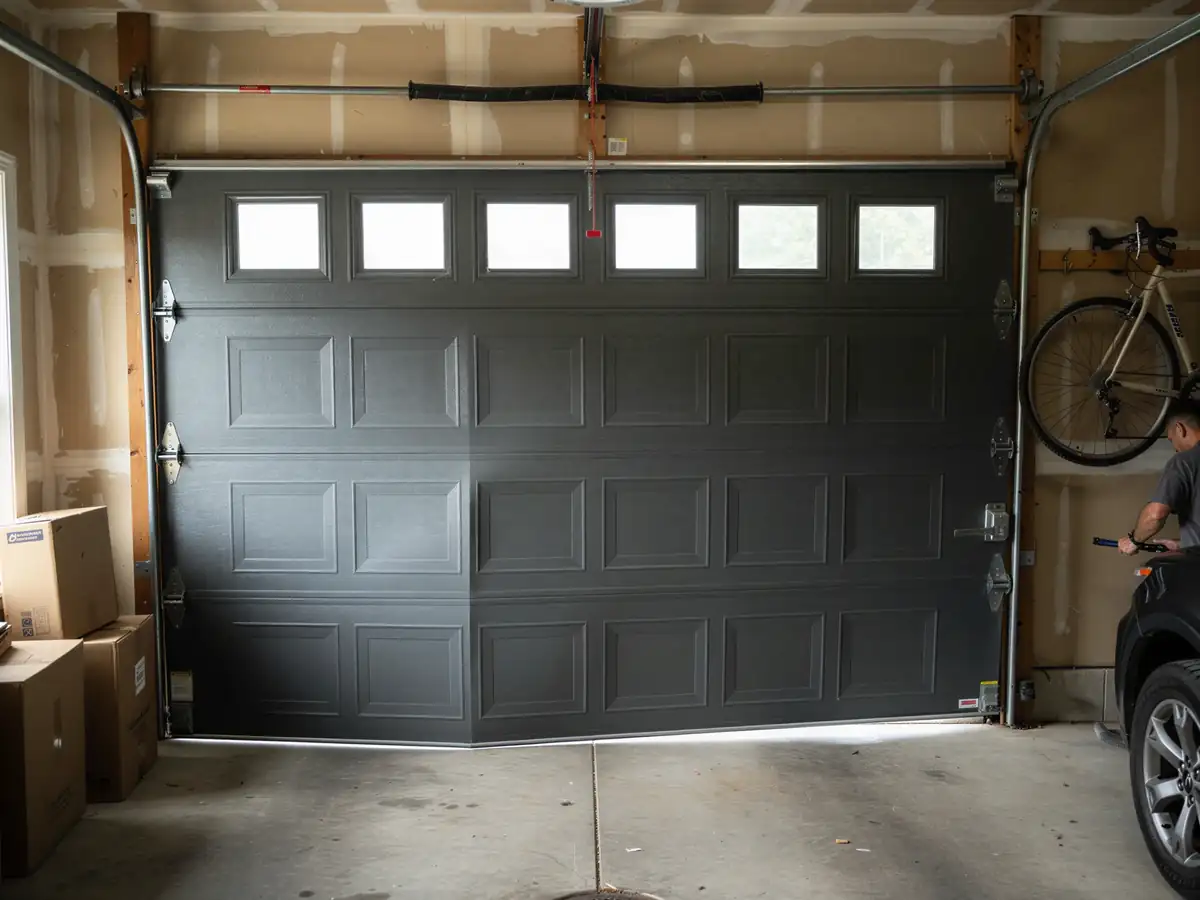
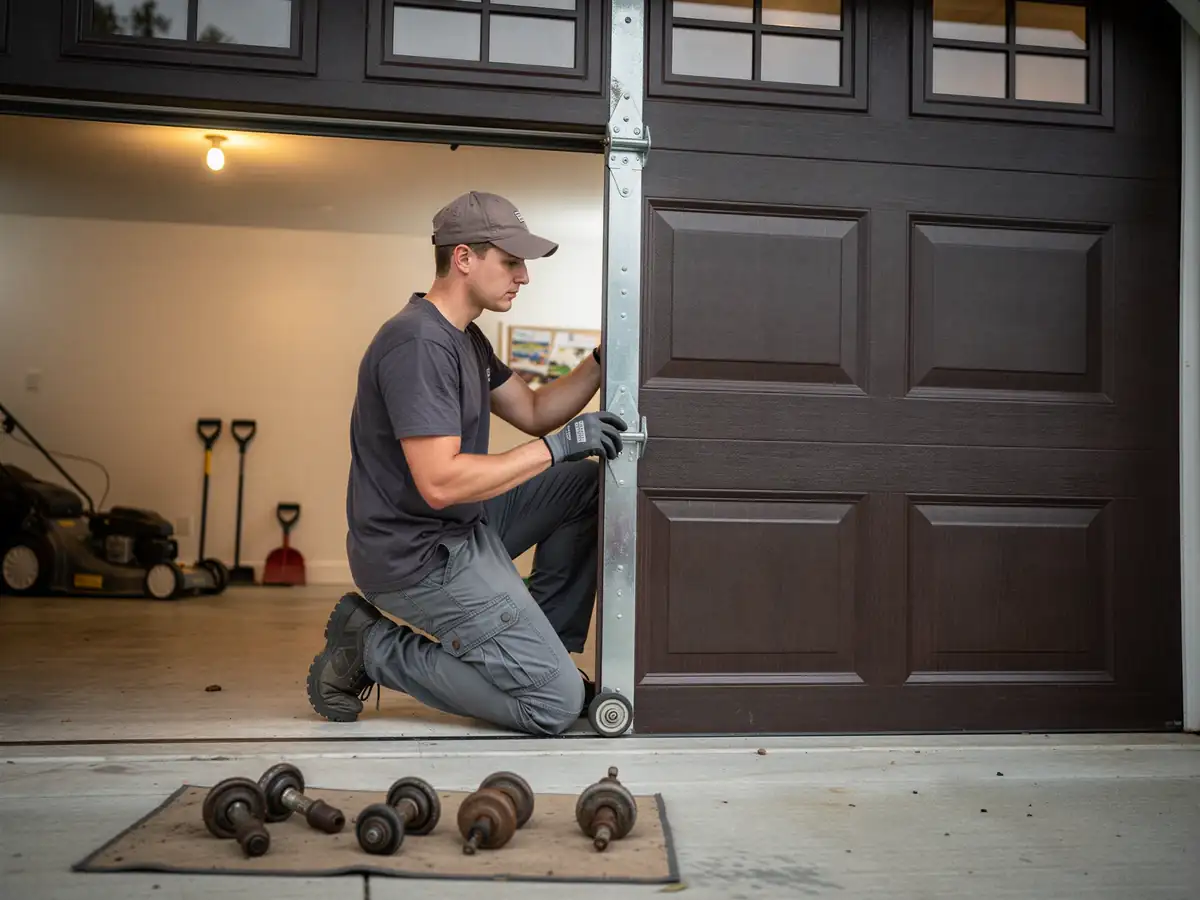
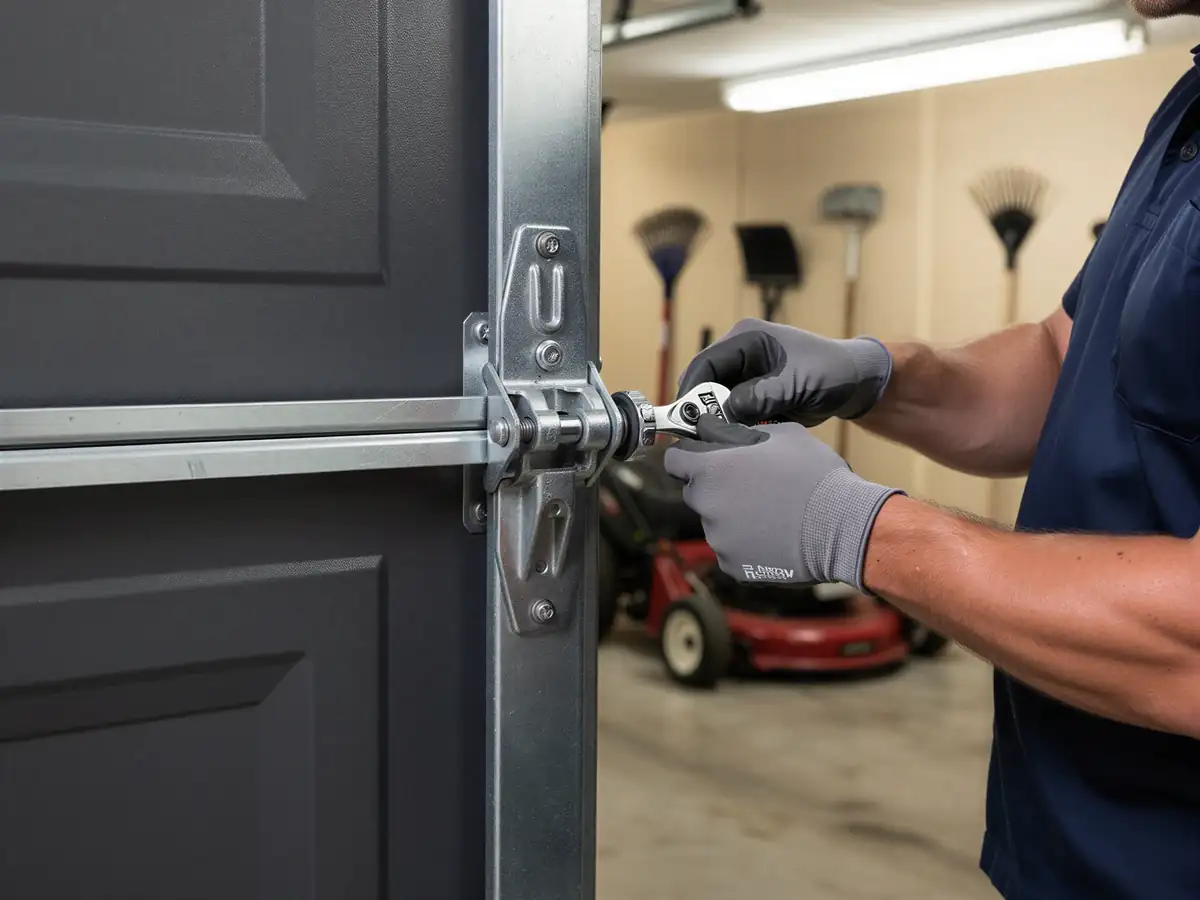
There's a real split between what you should try and what you shouldn't. Lubricating hinges and rollers with a garage-door-rated lubricant, checking that the photo-eye sensors near the floor are clean and aligned, and tightening loose bolts on the track brackets - all of that is safe and worth doing twice a year, especially once the weather turns. What you shouldn't do is touch a torsion spring. A wound torsion spring holds enough stored force to break a bone or worse, and the winding bars and tools for doing it safely aren't something most garages have lying around. If your door has a broken spring, the cheap fix is to prop it or leave it down and call someone - the expensive fix is a trip to the ER. We also won't try to patch a cable that's fraying past a certain point; once the strands start separating, the whole cable gets replaced, because a cable giving way on a door that's partway up is not a small problem. That's the one limitation we're upfront about: we don't do stopgap fixes on safety-rated parts. It costs more up front than a temporary patch, but it means the door won't fail on you again in three months.
Why It Happens Here
Cartersville's service area has housing built mostly between 1964 and 2007, with the median sitting around 1987, and most of what we see across the nine named areas we cover is that 1980s and 90s construction. That matters for garage doors because springs, cables, and track hardware have a working life, and a lot of that original hardware is now thirty to forty years old. With 8,765 owner-occupied houses across the service area, that's a lot of springs hitting the end of their rated cycle count at close to the same time. On top of the age of the hardware, the climate here runs a cold moderate band, which means real temperature swings across the year. Metal contracts in cold weather and expands in heat, and a spring or cable that's already near the end of its life handles that swing worse than a new one. That combination - older original hardware plus seasonal temperature change - is why we see more spring failures and track misalignment here than you'd expect from wear alone. It's not that anyone did anything wrong when the house was built; it's just that thirty-plus years of hardware and weather add up.