Doing It Yourself
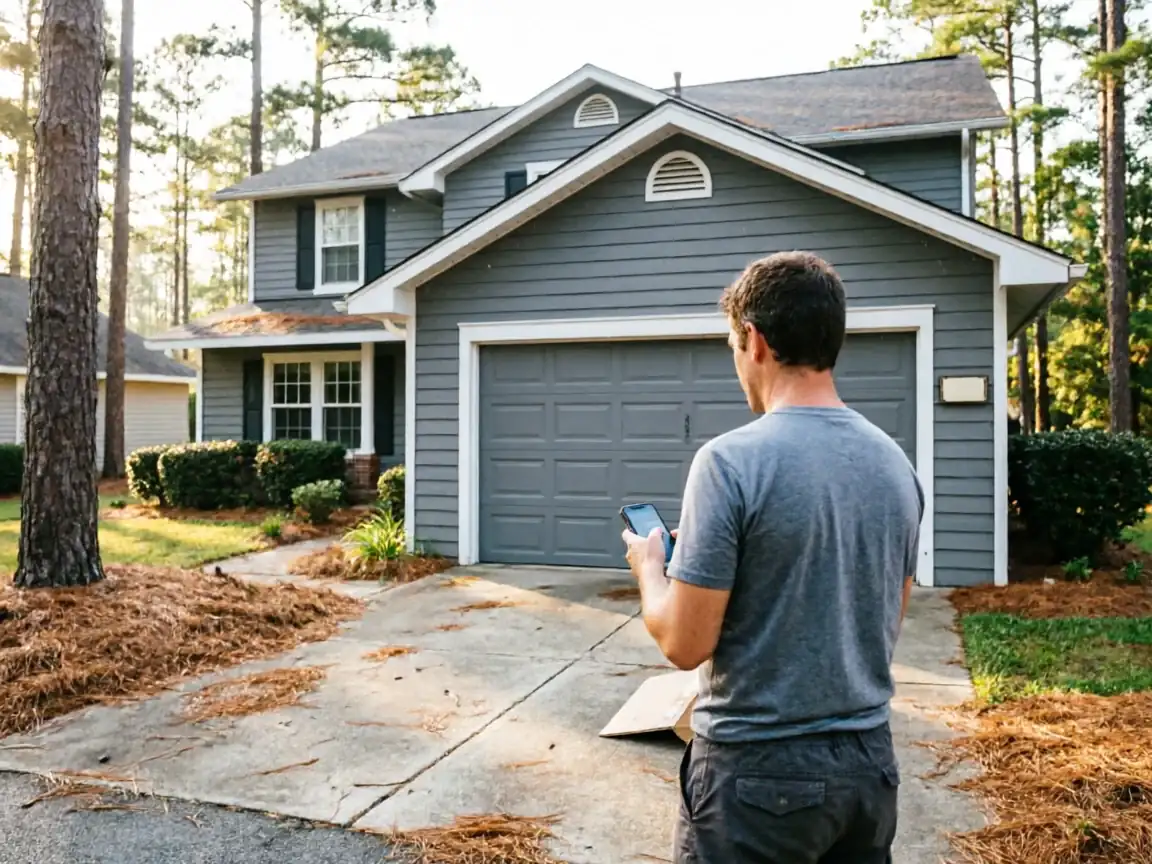
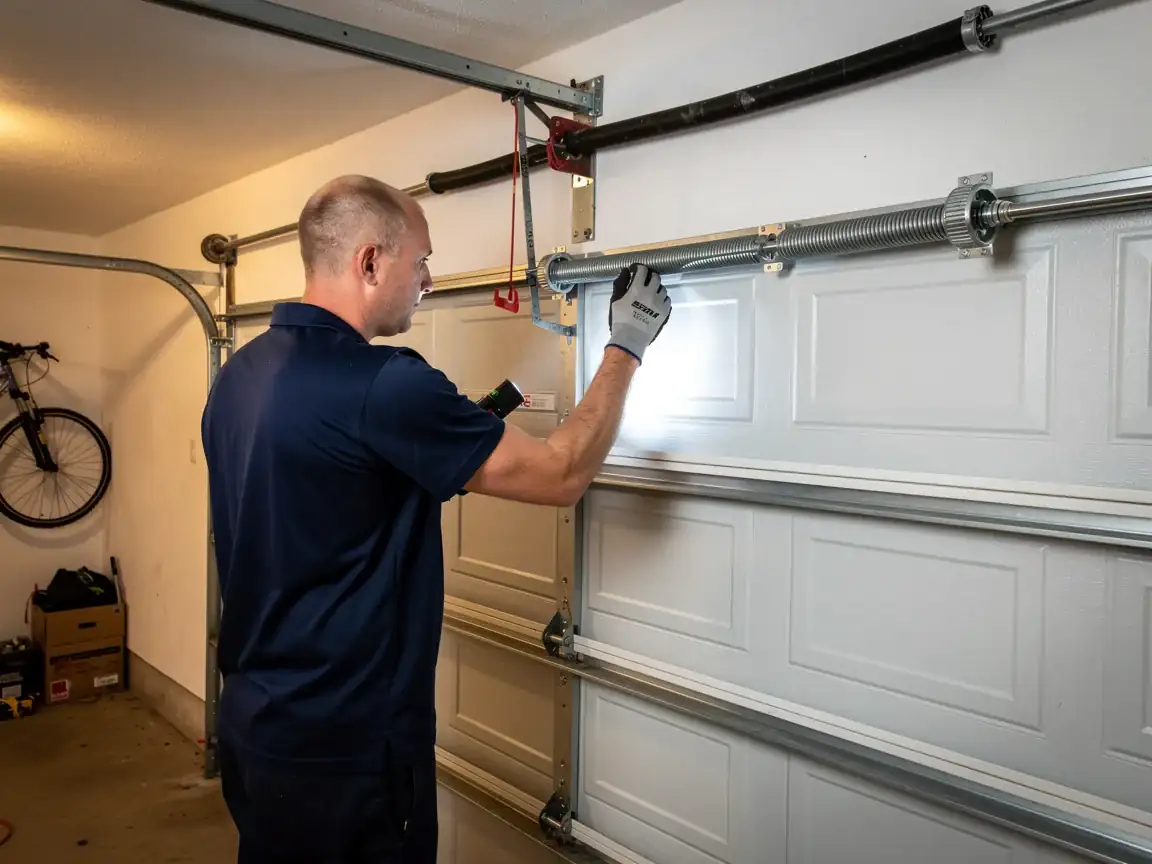
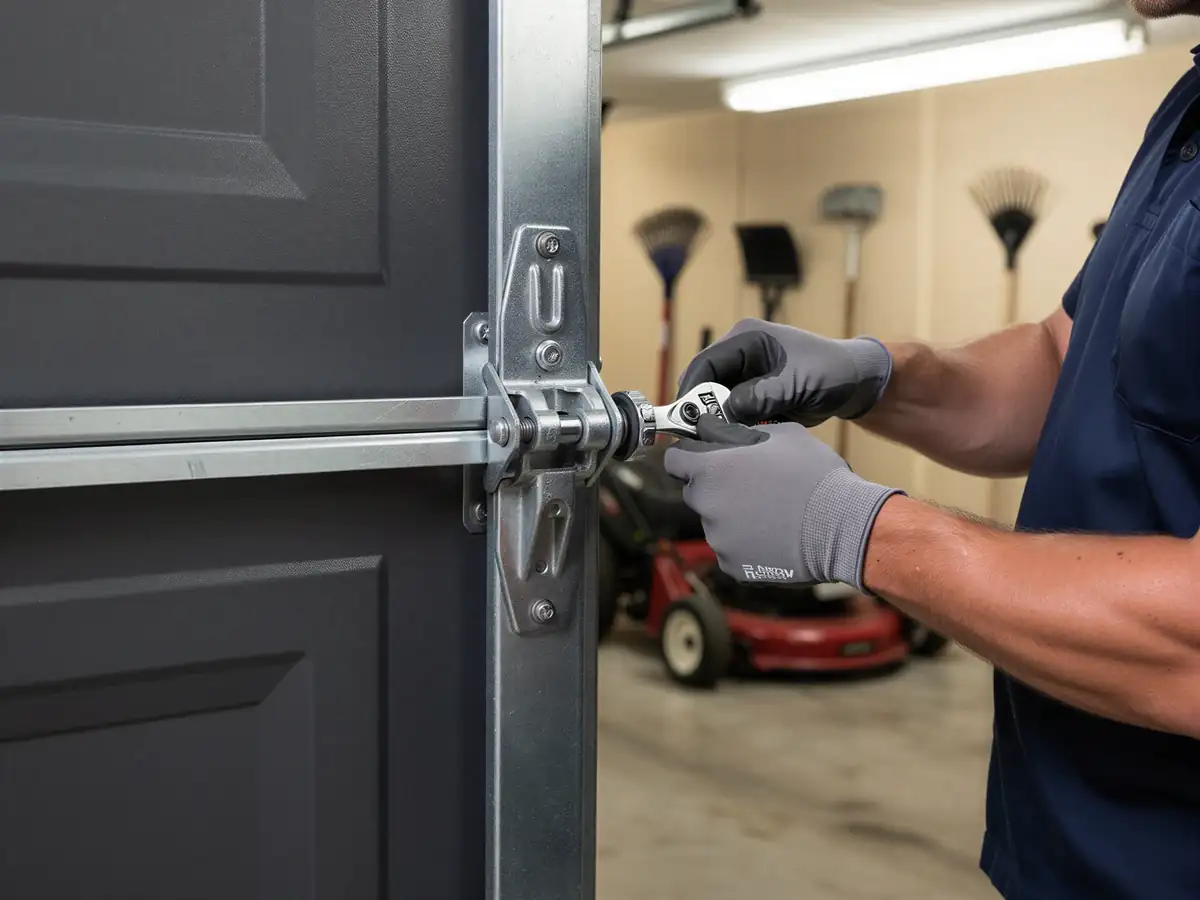
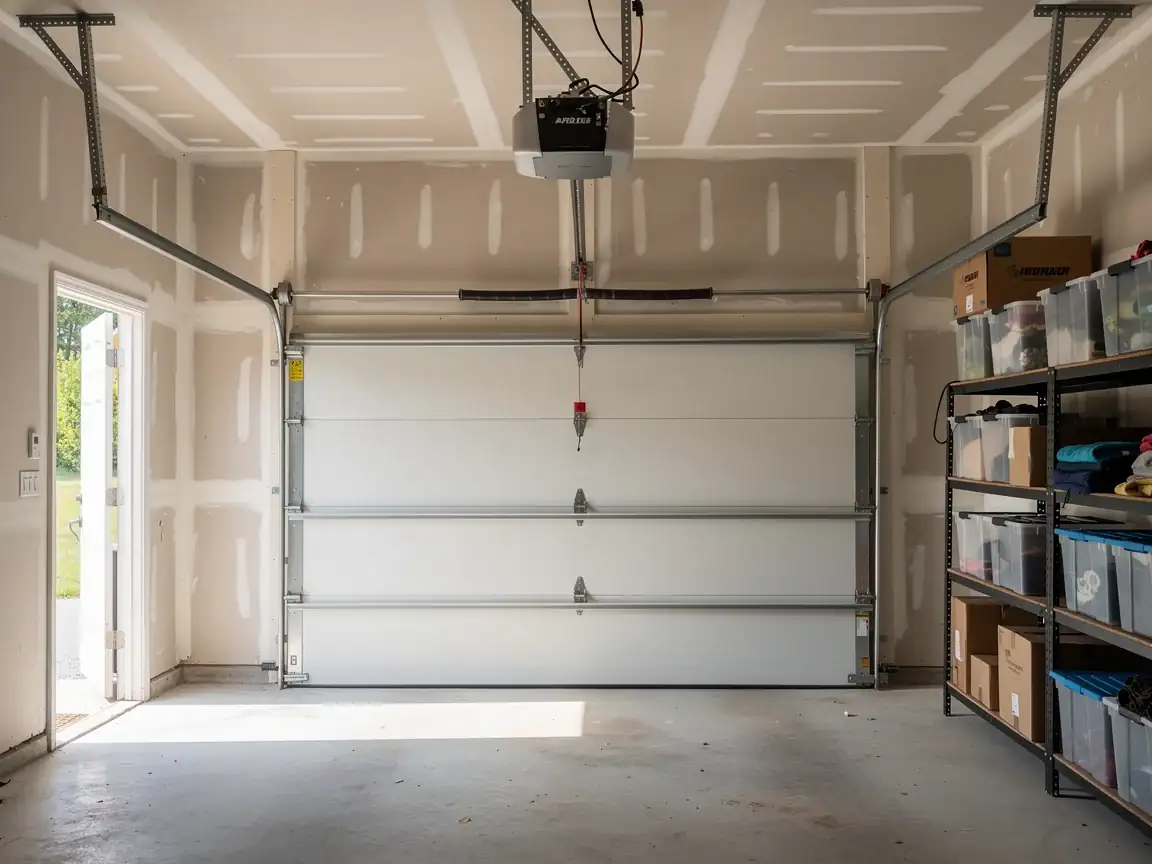
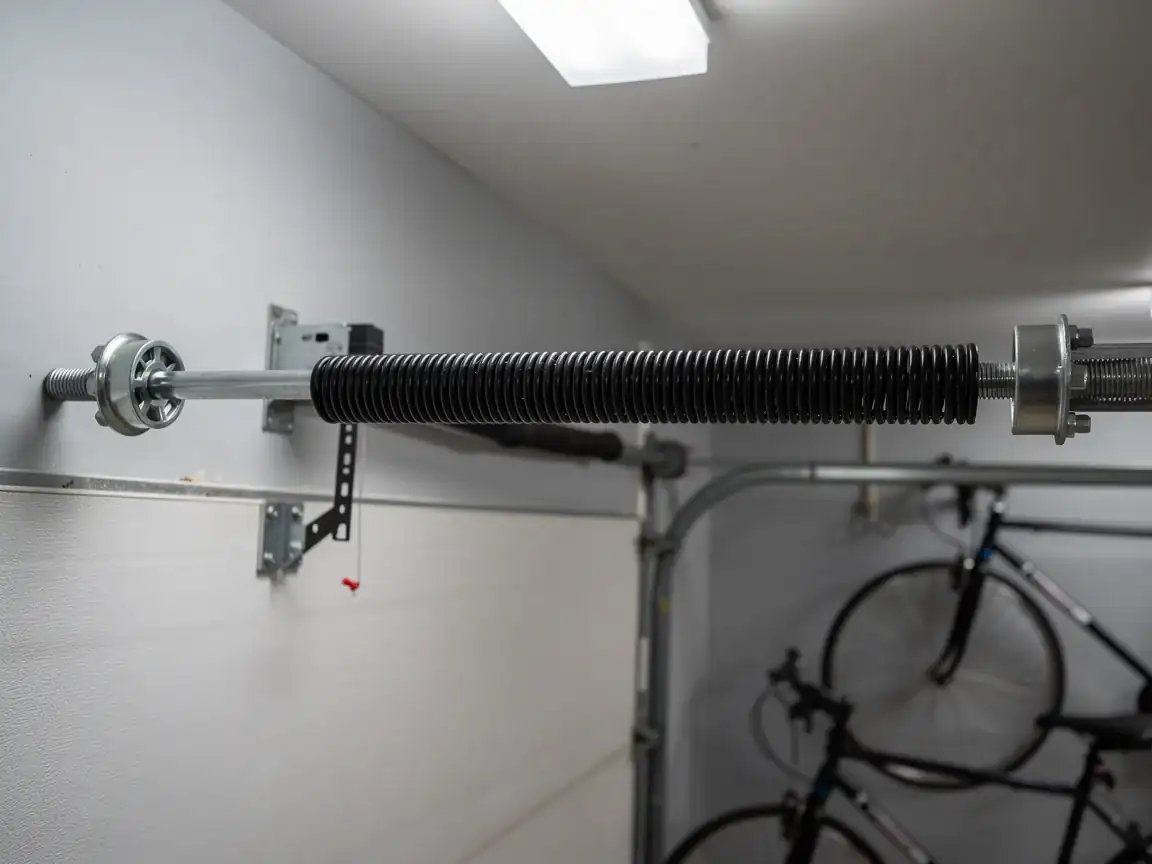
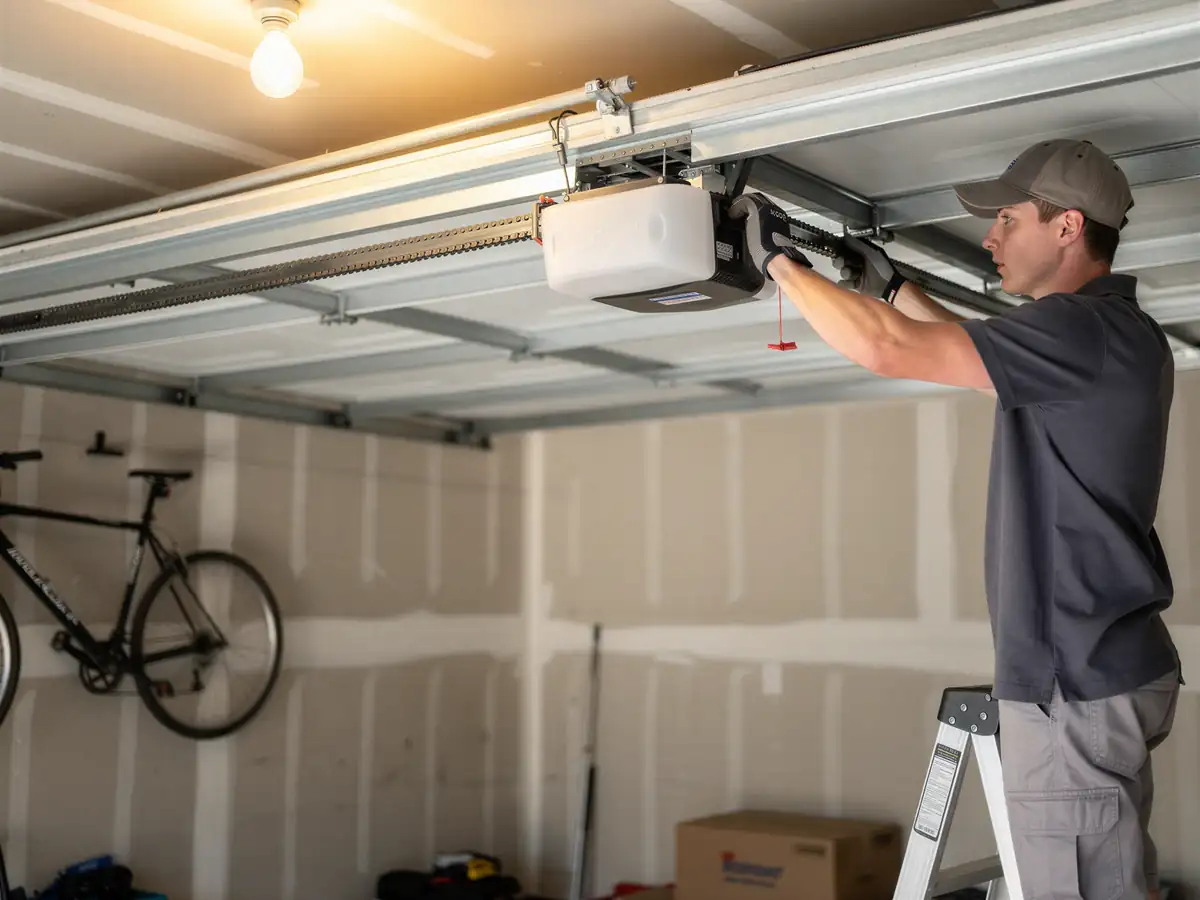
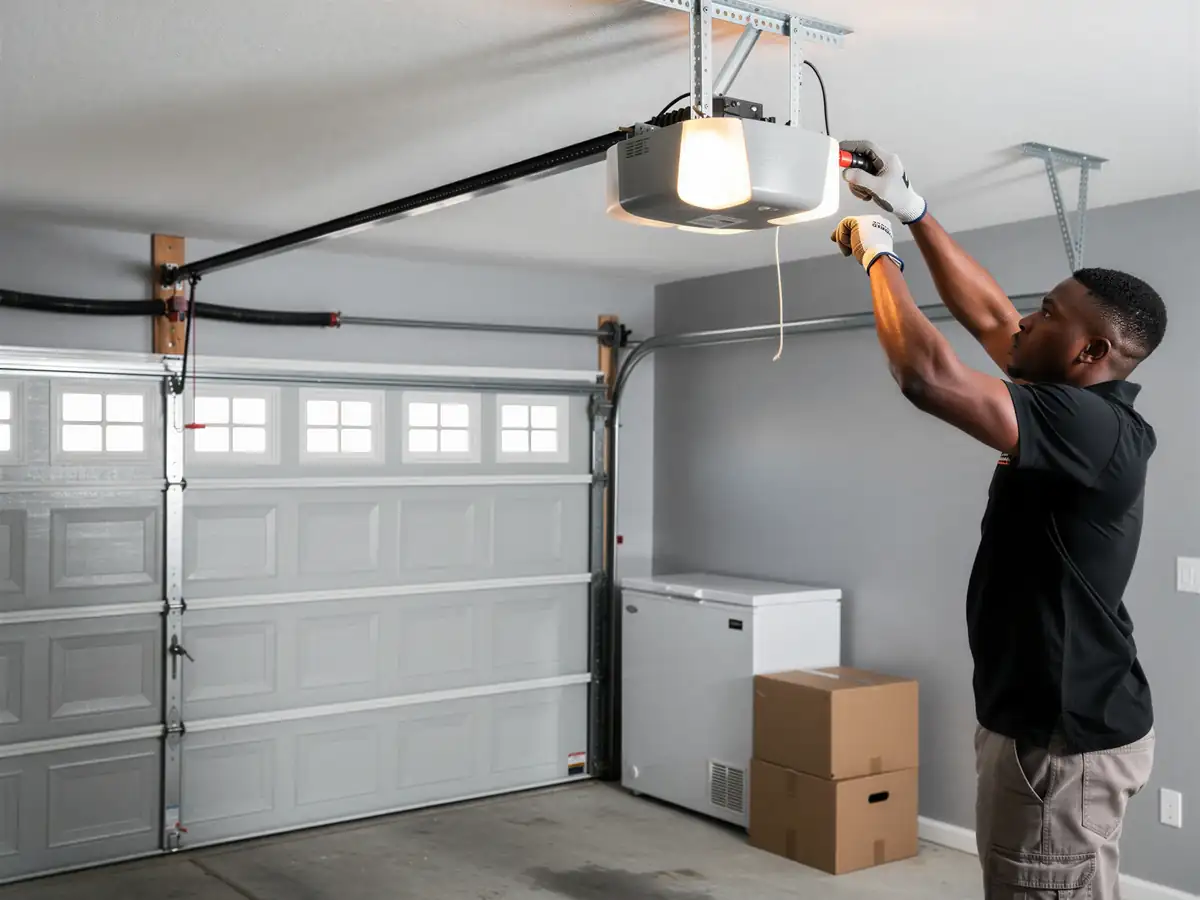
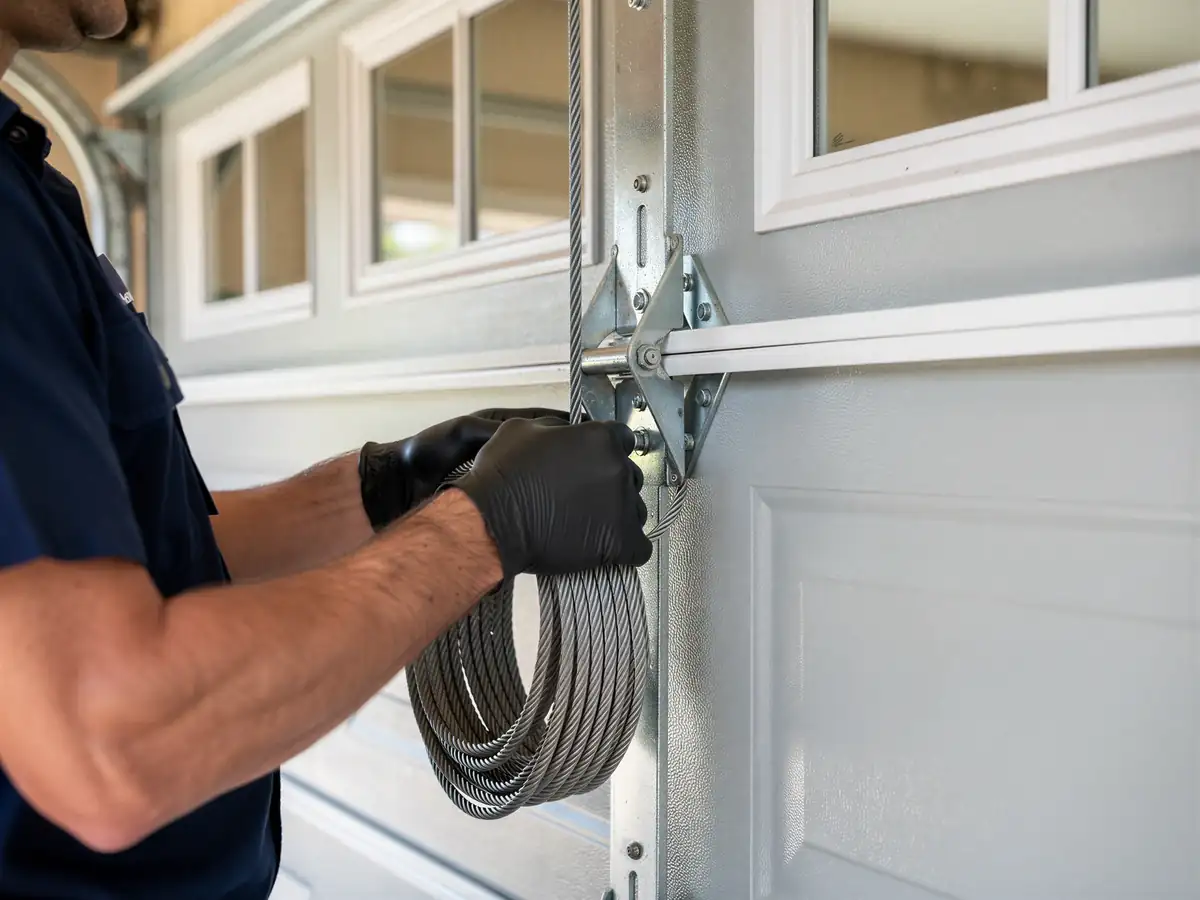
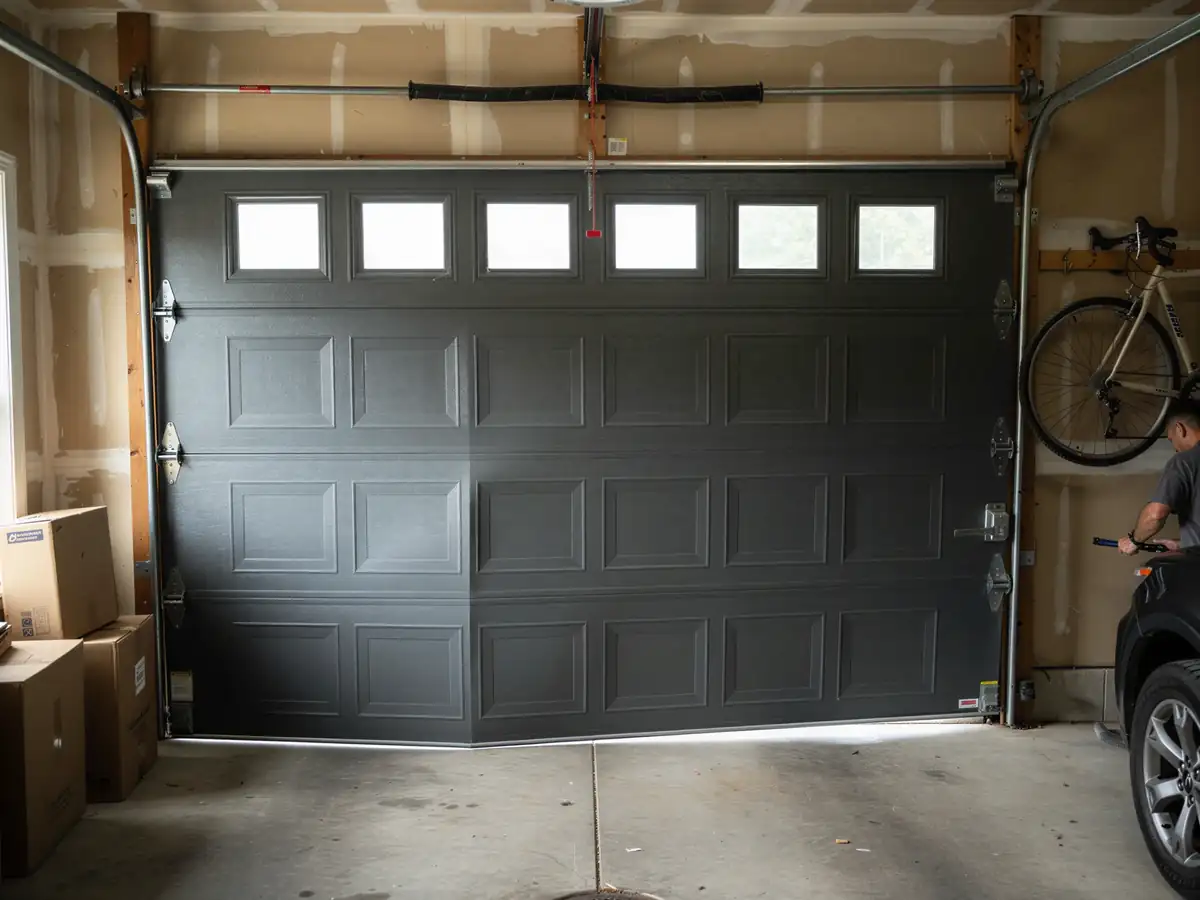
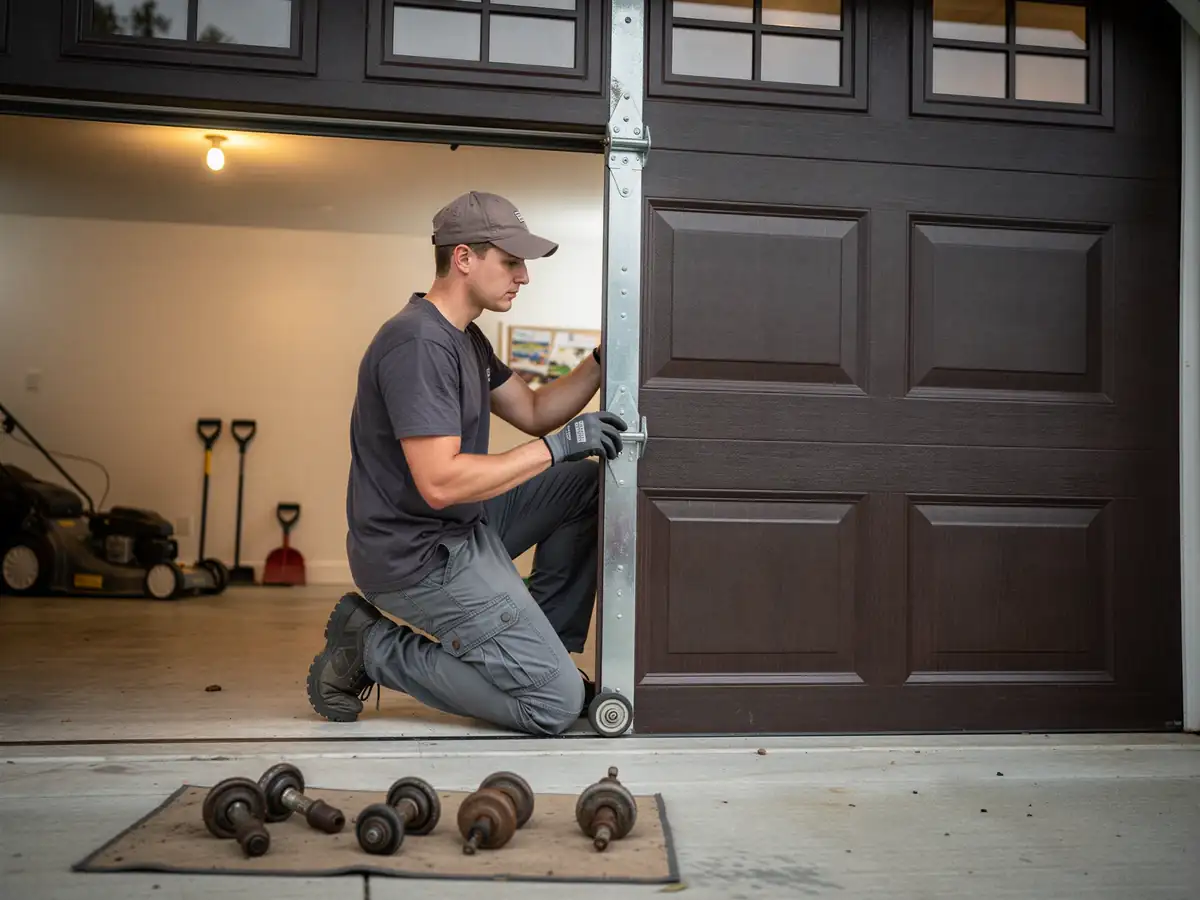
A single garage door kit from a box store can run you a full weekend if you've never set torsion springs before, and that's the part where people get hurt. Springs on a double door carry real tension, and the drums, cable drums, and winding bars have to go on in a specific order or the whole assembly can let go while you're standing under it. If your house is older stock from the 1964-2007 build range common here, there's also a decent chance the opening isn't the standard size a retail kit assumes, so a DIY install can end with a door that doesn't seal square against the slab. If you're comfortable with hand tools and want to swap a lightweight section or a roller, that's reasonable work. Full door replacement, spring sizing, and track alignment on an opening that's been settling for twenty or thirty years is where we'd tell you to call instead of improvise. We'd rather say that now than get a call after the fact.
Why It Happens Here
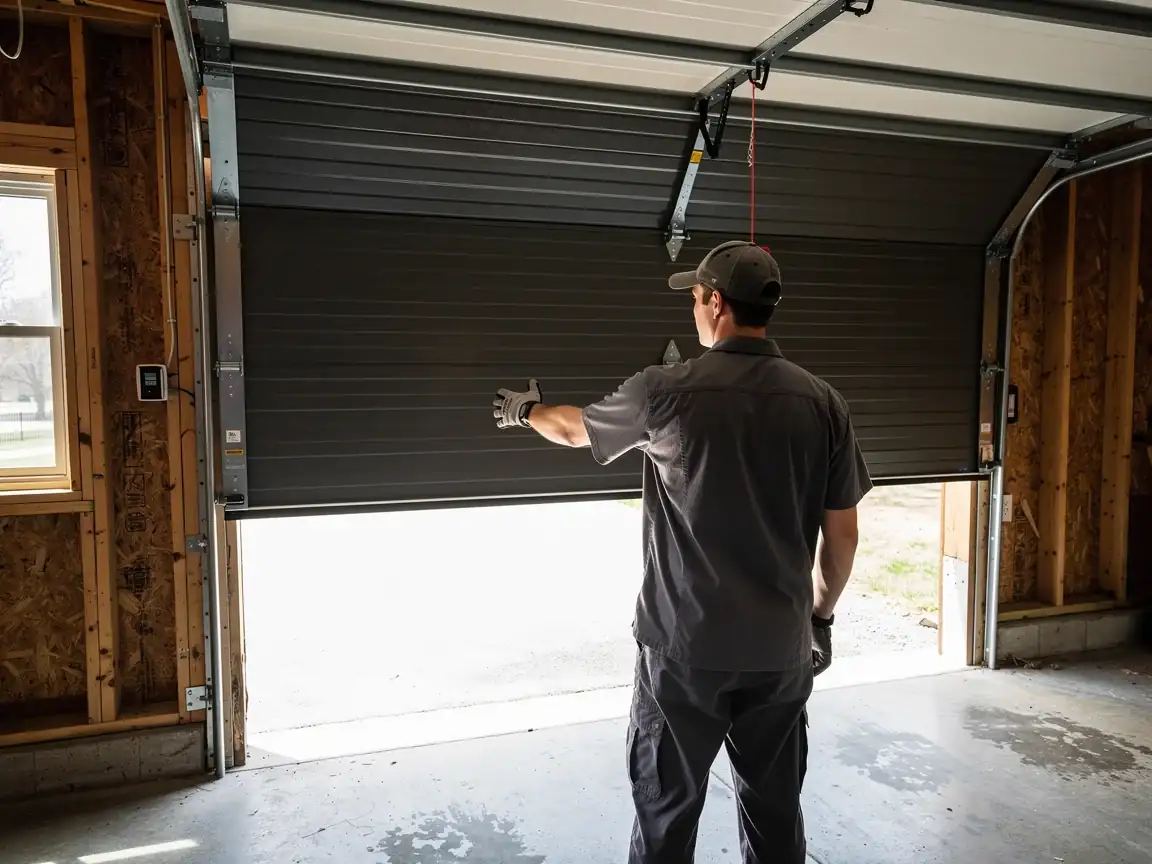
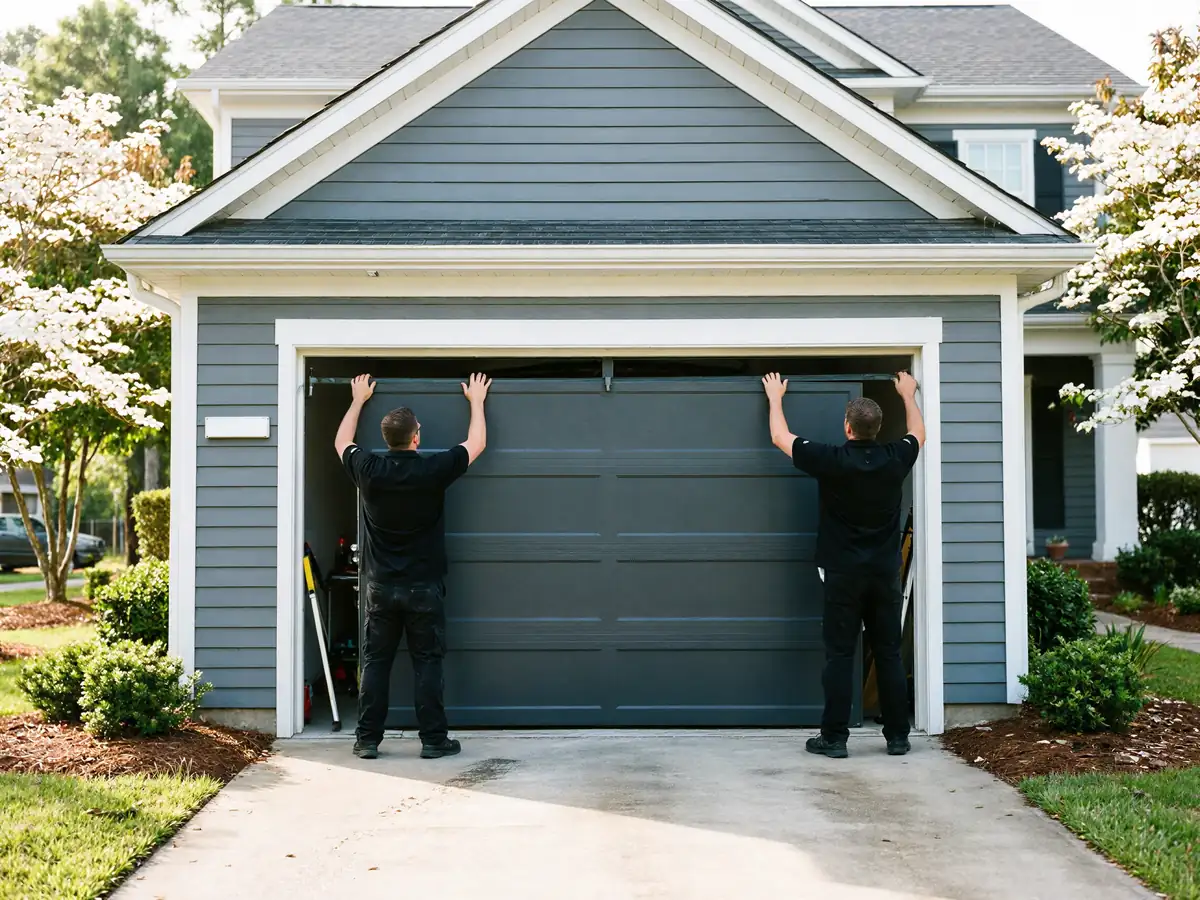
The median household in our service area is $76,424, and most of the 8,765 owner-occupied houses we see sit in a cold-moderate climate band, which means doors here deal with real temperature swings across a year rather than one extreme or the other. That matters for installation because panel seams and bottom seals that are fine in a mild climate can stiffen and gap in a cold snap, letting air and moisture into the garage. Add in housing built mostly in the 1980s and 90s across our nine service areas, and you get a lot of original single-layer steel doors that were never insulated to begin with, installed when energy codes asked less of a garage door than they do now. Homeowners replacing one of these aren't usually chasing a look, they're fixing a door that was undersized for the weather it's been sitting in for three decades. That's the install we do most: swapping an old, thin door for one built for the swings our winters actually bring.