How We Fix It
A snapped cable almost never means the door is ruined
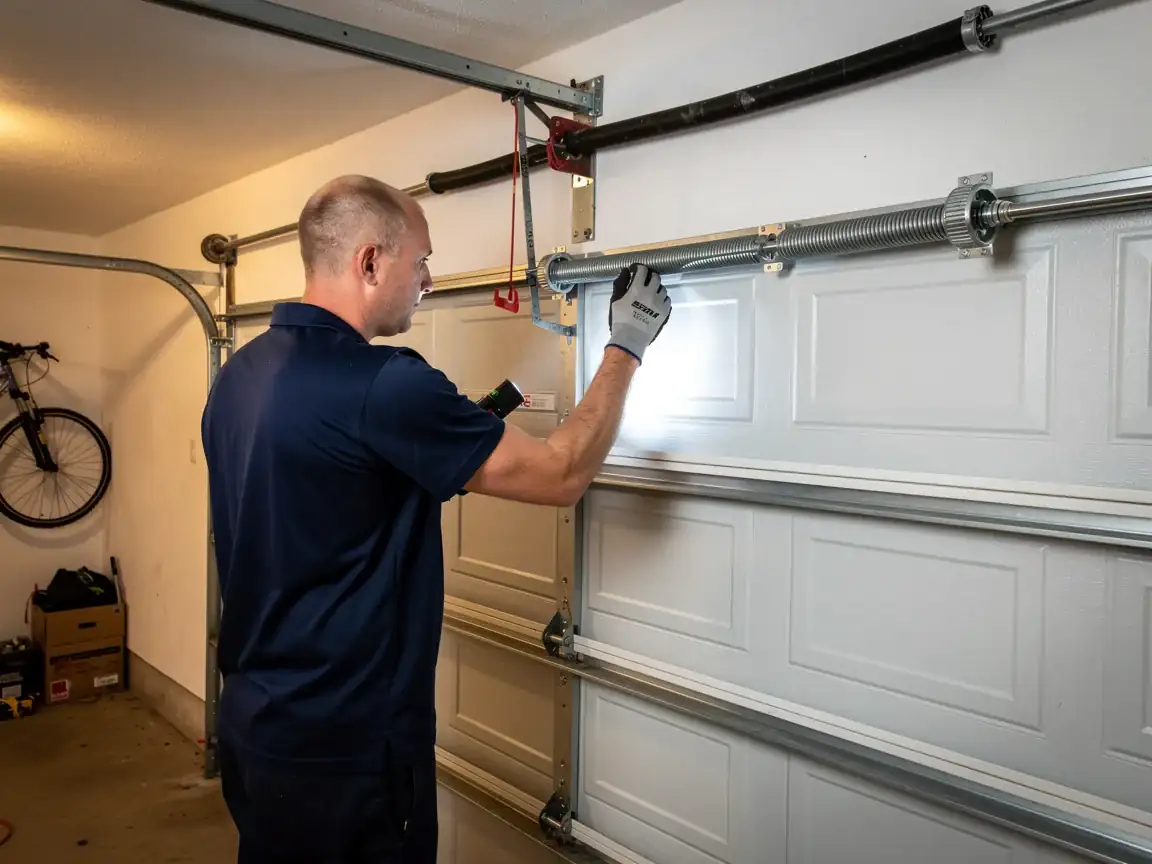
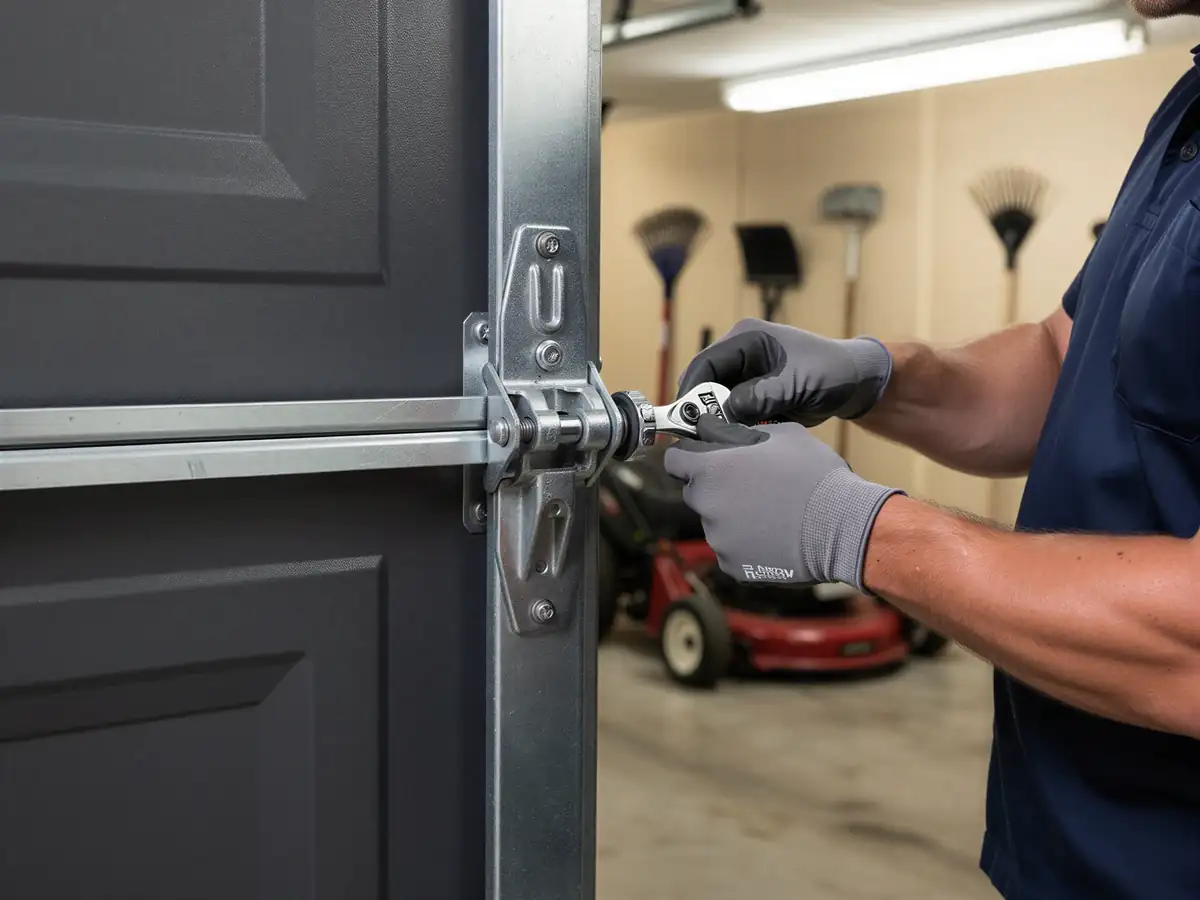
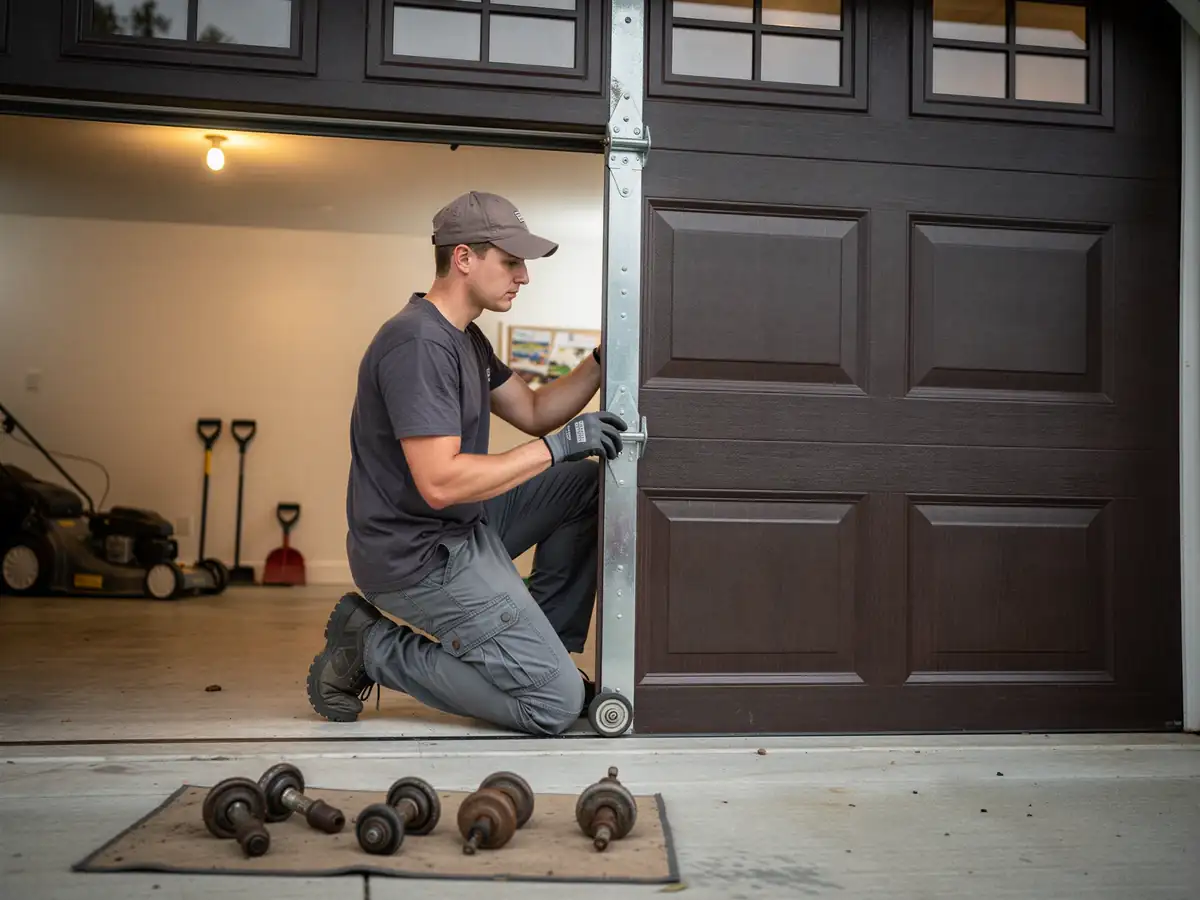
But it does mean the door is dangerous to touch until the spring tension is released properly. We unload the spring, pull both drums, and check the drum grooves and bottom bracket before any new cable goes on. If the door is original to a house built in the 1980s or 90s - which covers a lot of this service area - the drums are often worn enough that a new cable alone won't hold tension evenly, so we replace the pair.
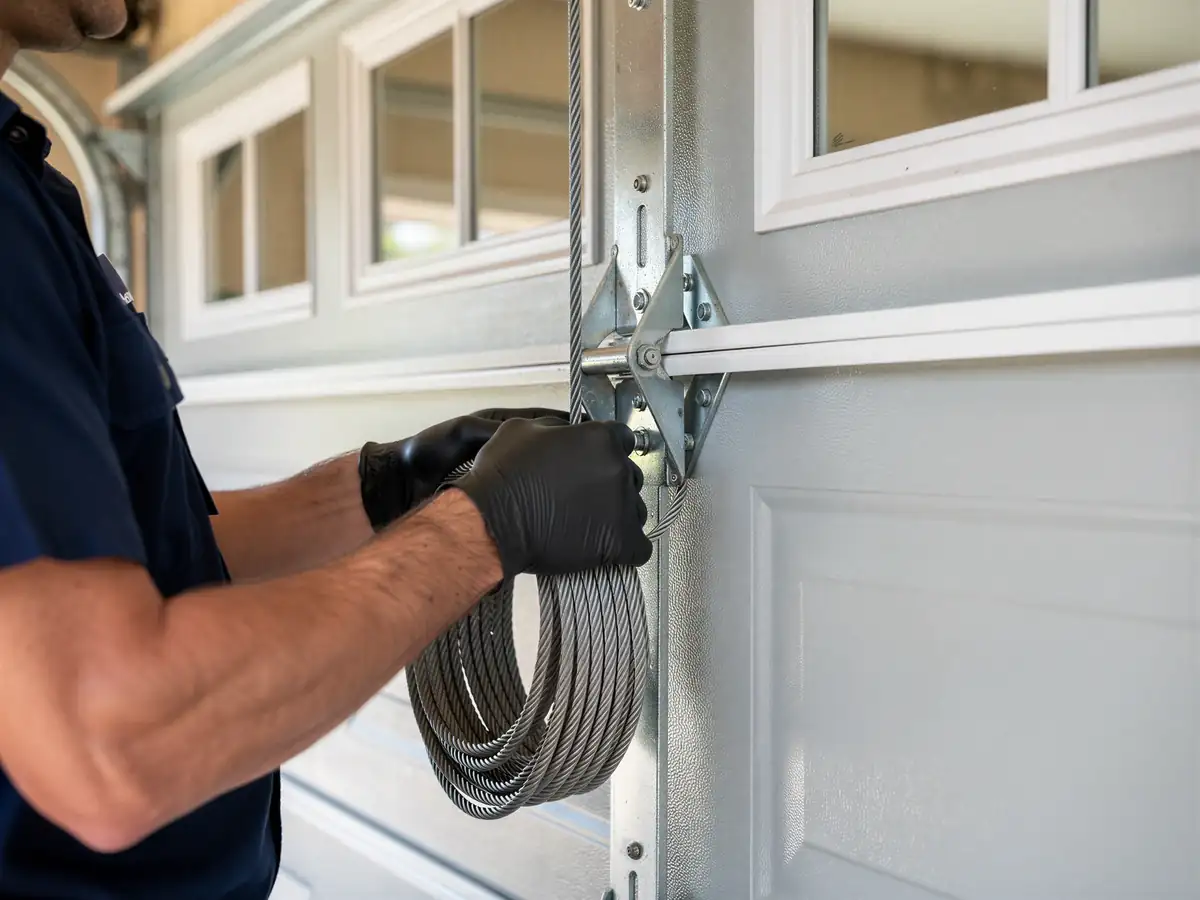
We set the cable length to match the door's drop and track type
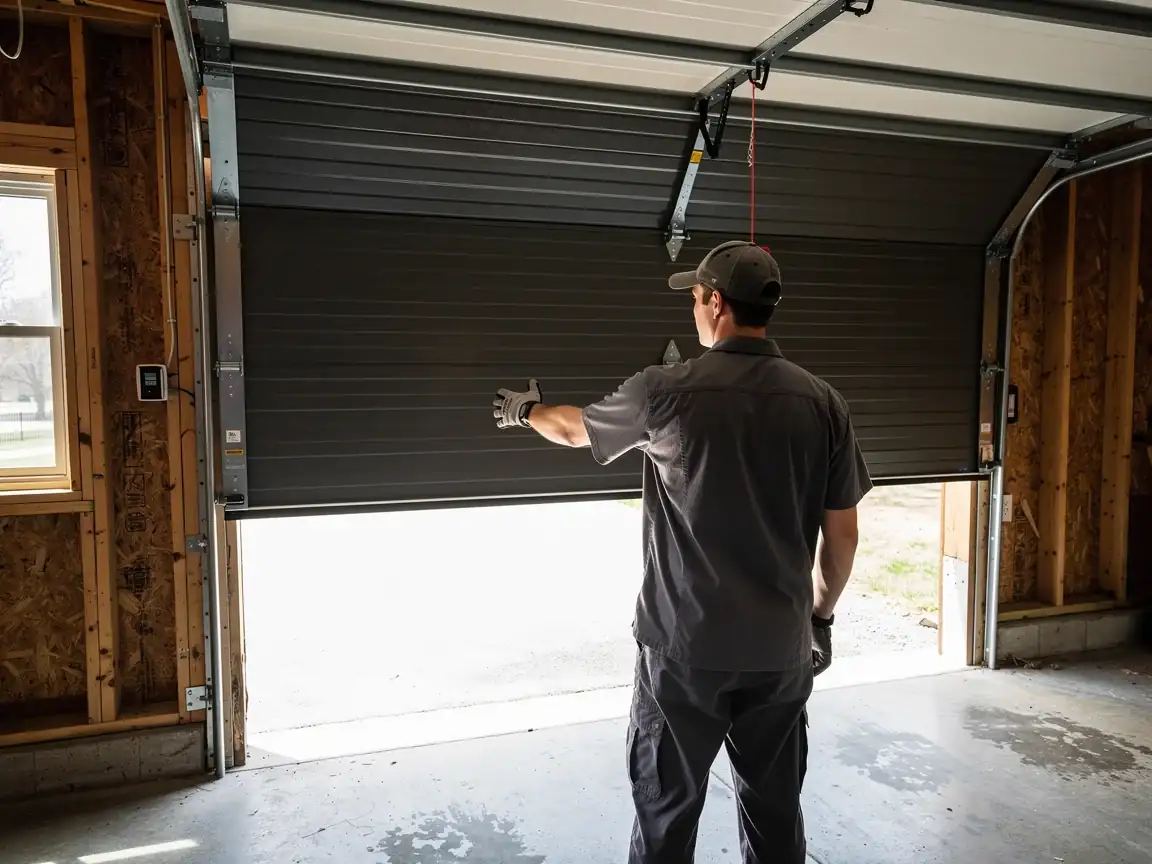
Since a cable that's even a half inch off will walk off the drum under load. Then we run the door through a full cycle by hand before we ever hit the wall switch, watching the cable seat on both sides.
One limit worth being upfront about
If the drum or bottom bracket is rusted through, or the cable broke because the opener forced a door that was already off its track, a cable swap won't fix the underlying problem. In that case we tell you what's actually wrong before we touch anything, not after.
Doing It Yourself
A garage door cable is one of the few parts on the door that stays under real tension even after you unplug the opener, because the spring is still loaded. Cutting or unhooking a cable with the door down and the spring wound is how people lose fingers, so this is not a job we'd tell a homeowner to try, even a handy one.
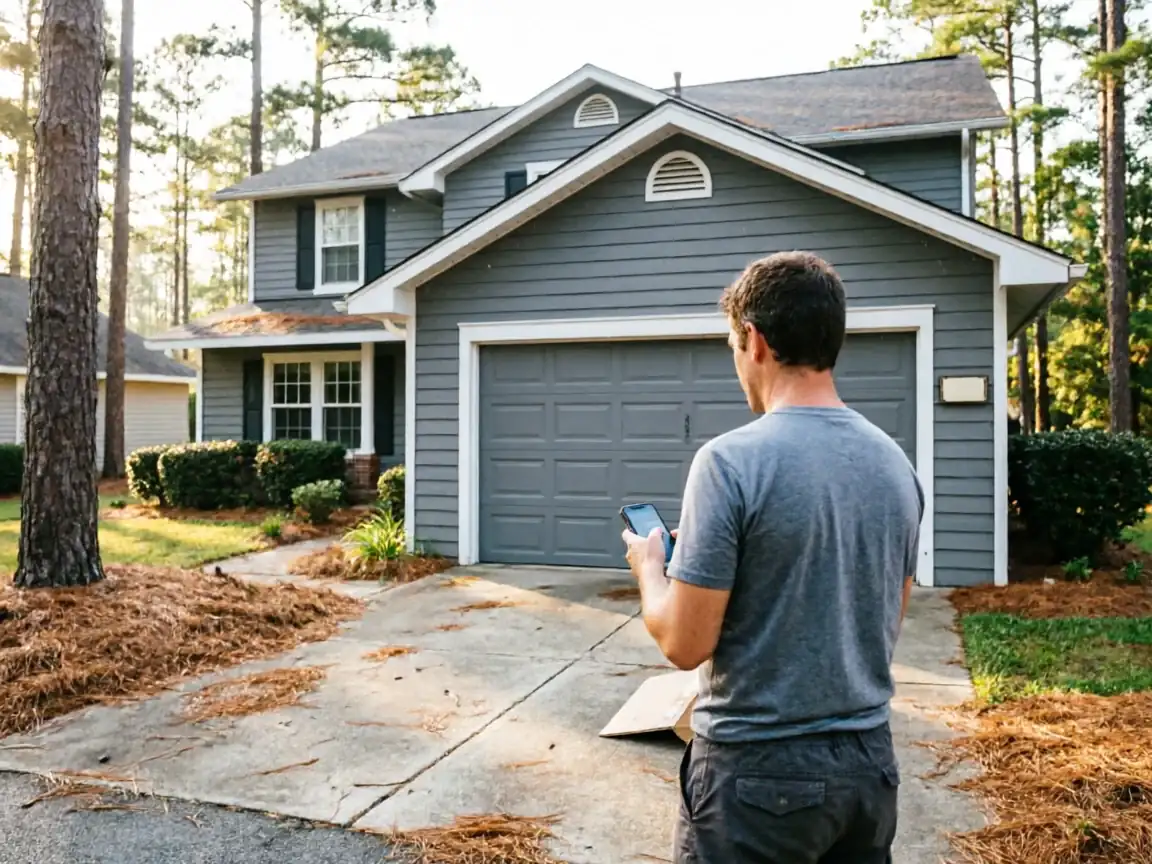
What you can safely check yourself: look at both cables from the floor with the door closed. Frayed strands near the bottom bracket, a cable that's jumped the drum groove, or one side visibly slack while the other is taut are all signs the cable is close to failing or already has. If you see that, leave the door down, unplug the opener so nobody tries to run it, and call someone before using the door at all.
We get it - with a median household income around $76,424 across this area, a lot of people would rather save the service call and handle it themselves. Cable work just isn't the place to do that. The spring tension involved is the same whether the door is on a 1960s house or a 2000s build, and it doesn't forgive guesswork.
Why It Happens Here
Housing in this service area was built mostly between 1964 and 2007, with the median right around 1987 and the heaviest concentration from the 1980s and 90s across the nine named areas we cover. That matters for cables specifically: a lot of doors from that era still have their original extension-spring setups, and extension cables in particular tend to fray at the pulley and bottom bracket after enough cycles, especially once they're pushing thirty to forty years old.
The climate here sits in a cold-moderate band, which means cables go through repeated freeze-thaw swings rather than constant heat or constant cold. That cycling stiffens the galvanized coating on older cable and makes the strands more prone to cracking and fraying where they bend around the drum or pulley, rather than snapping clean in the middle.
With roughly 14,336 households and about 8,765 owner-occupied houses across the service area, a good share of the doors we're called to are original equipment that's simply reached the end of its cable life, not doors that were damaged or abused.
What You Are Seeing
A broken cable usually shows up one of two ways
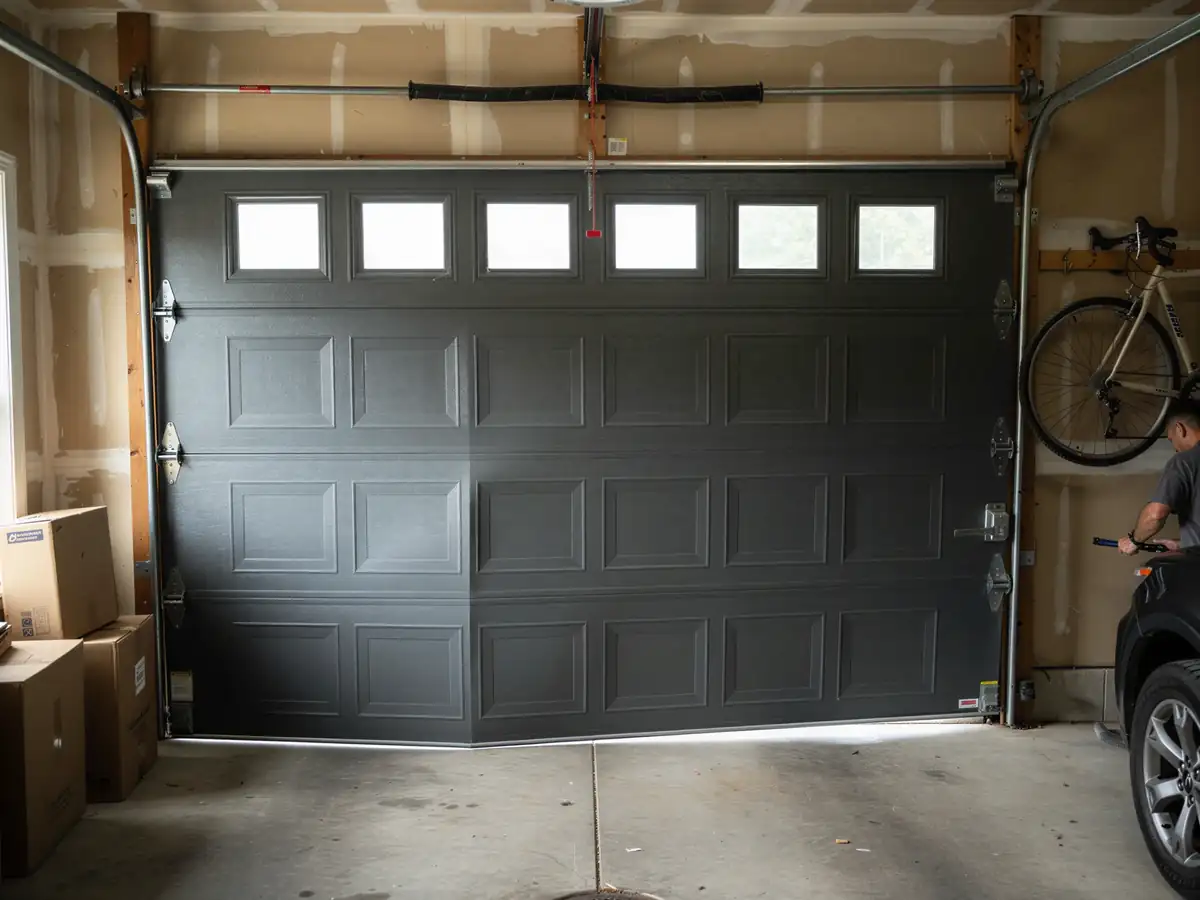
Either the door won't budge and looks slightly crooked in the opening, hanging lower on one side, or you hear a loud bang and the door drops a few inches before catching on the other cable or the opener's safety mechanism.
If only one cable has let go, the door is unbalanced and should not be forced up or down, by hand or by opener
Until it's looked at. Running an unbalanced door stresses the remaining cable, the opener's drive gear, and the track on the working side, which can turn a single-cable repair into a bigger job.
Fraying is the warning sign that precedes most full breaks
A handful of thin wire strands sticking out near the bottom bracket or around the drum, sometimes with a faint rust color if the galvanizing has worn through. On doors from the 1980s and 90s stock common across this area, that fraying tends to show up gradually over a season or two rather than all at once, which is the window where a repair call is still cheaper and simpler than an emergency one.