Garage Door Roller Replacement Around Cartersville
Worn rollers on original 1980s and 90s doors are the most common roller call we get across the Cartersville area. Here's how we fix it and why it happens so often here.
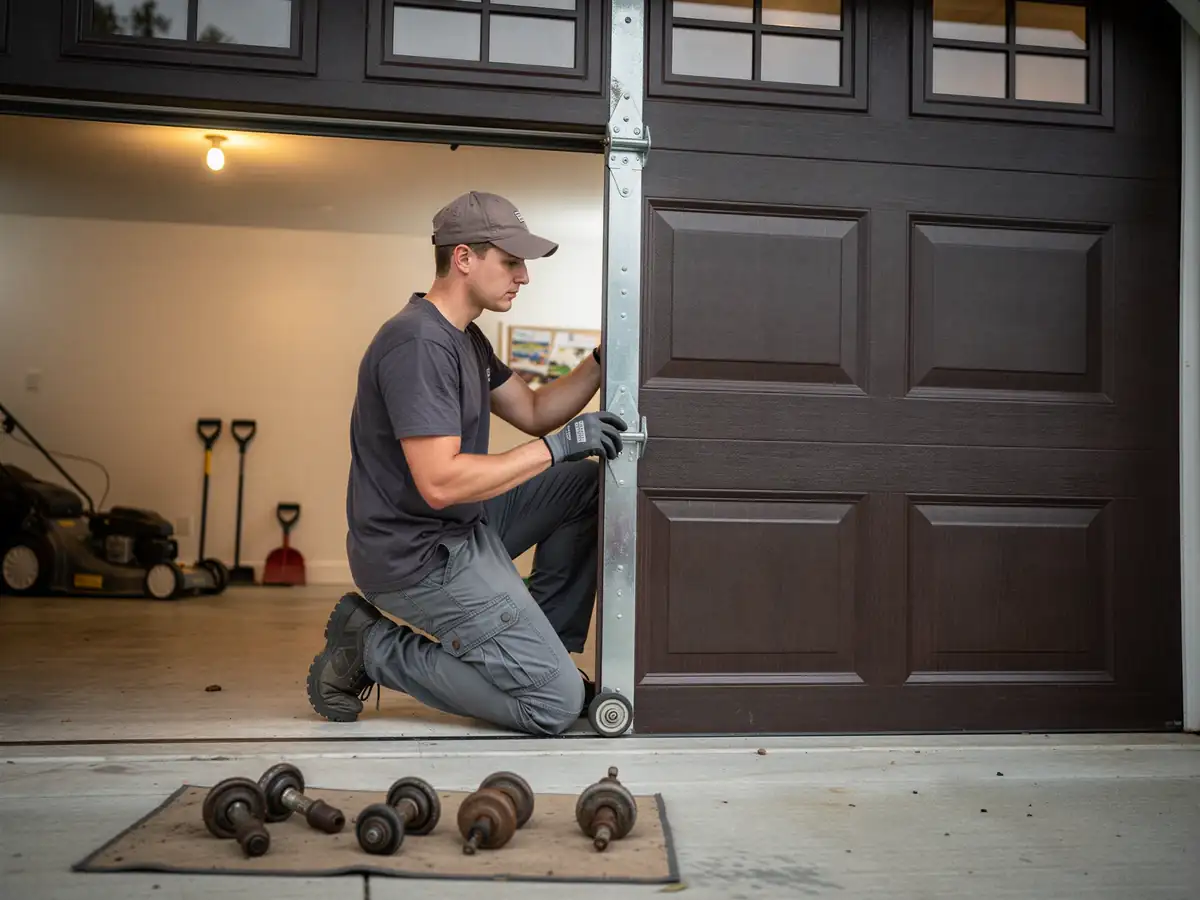
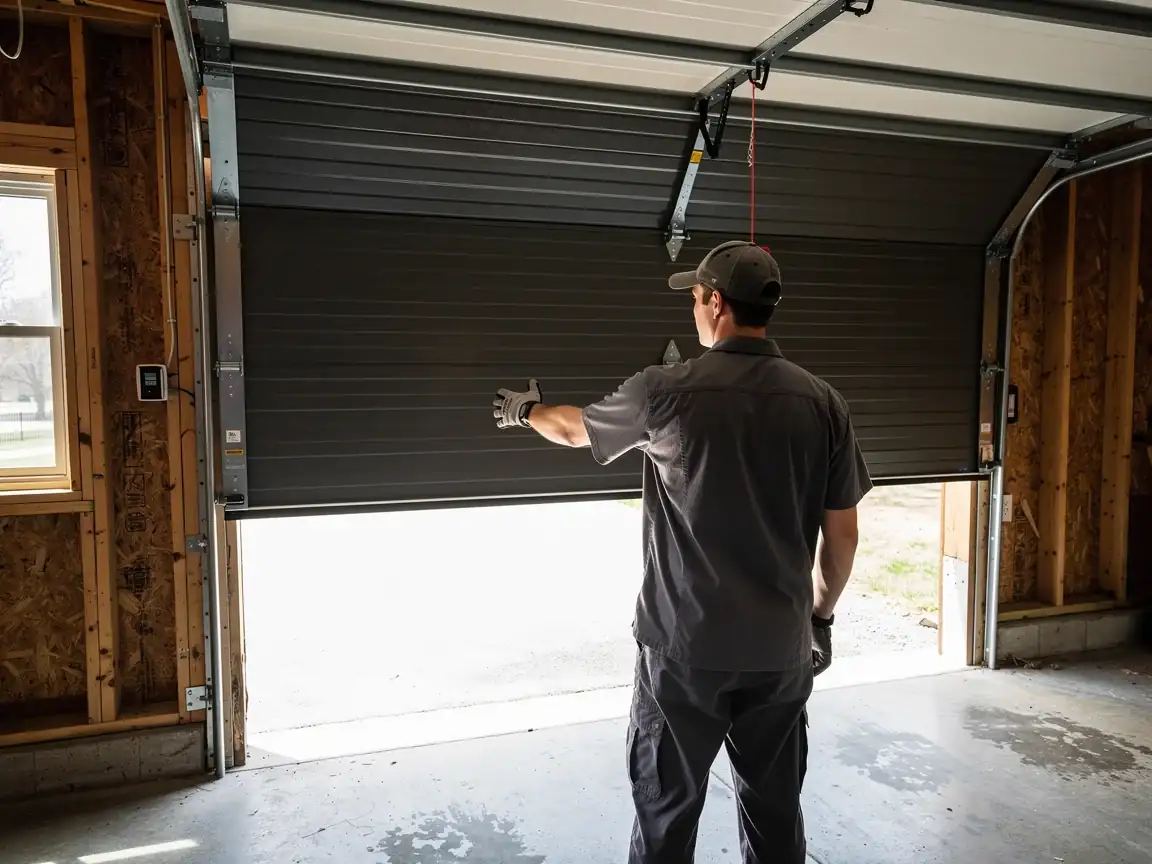
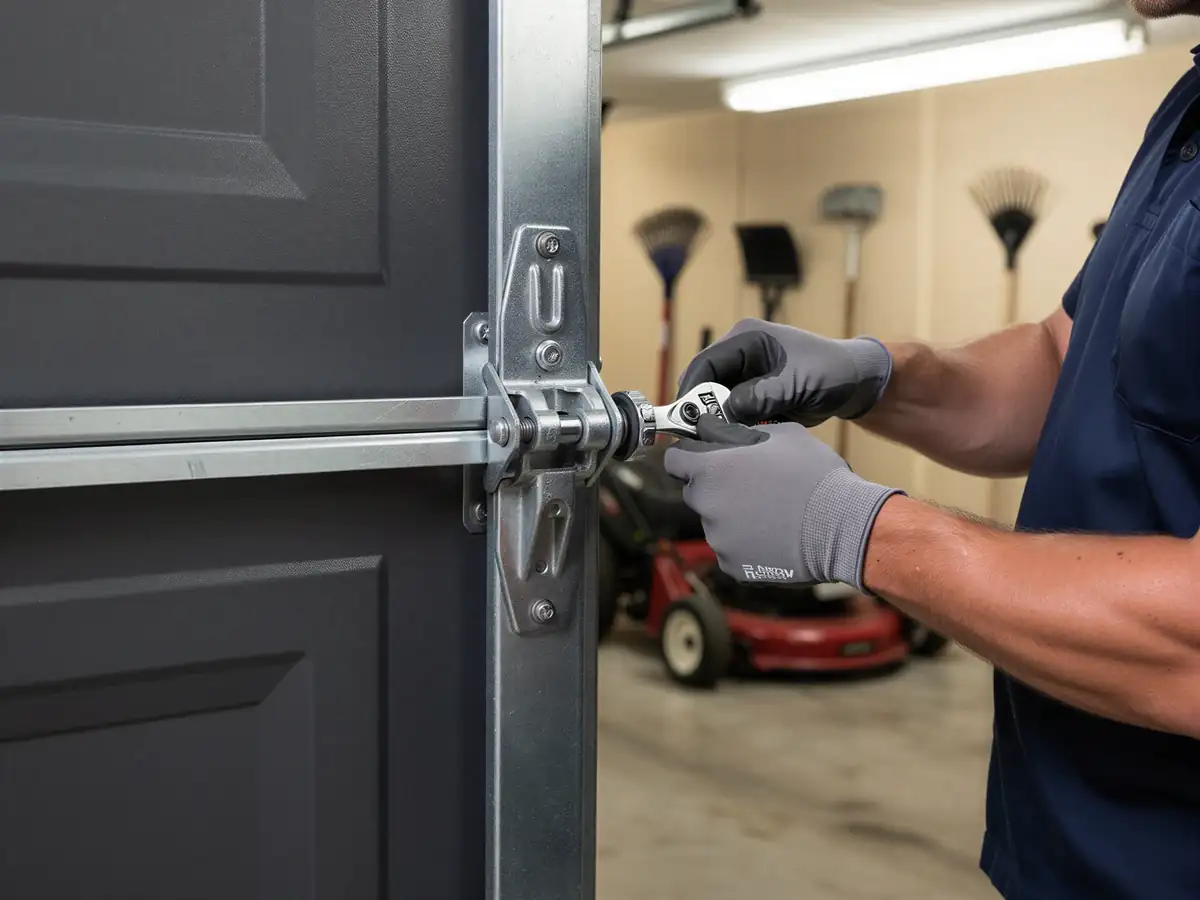
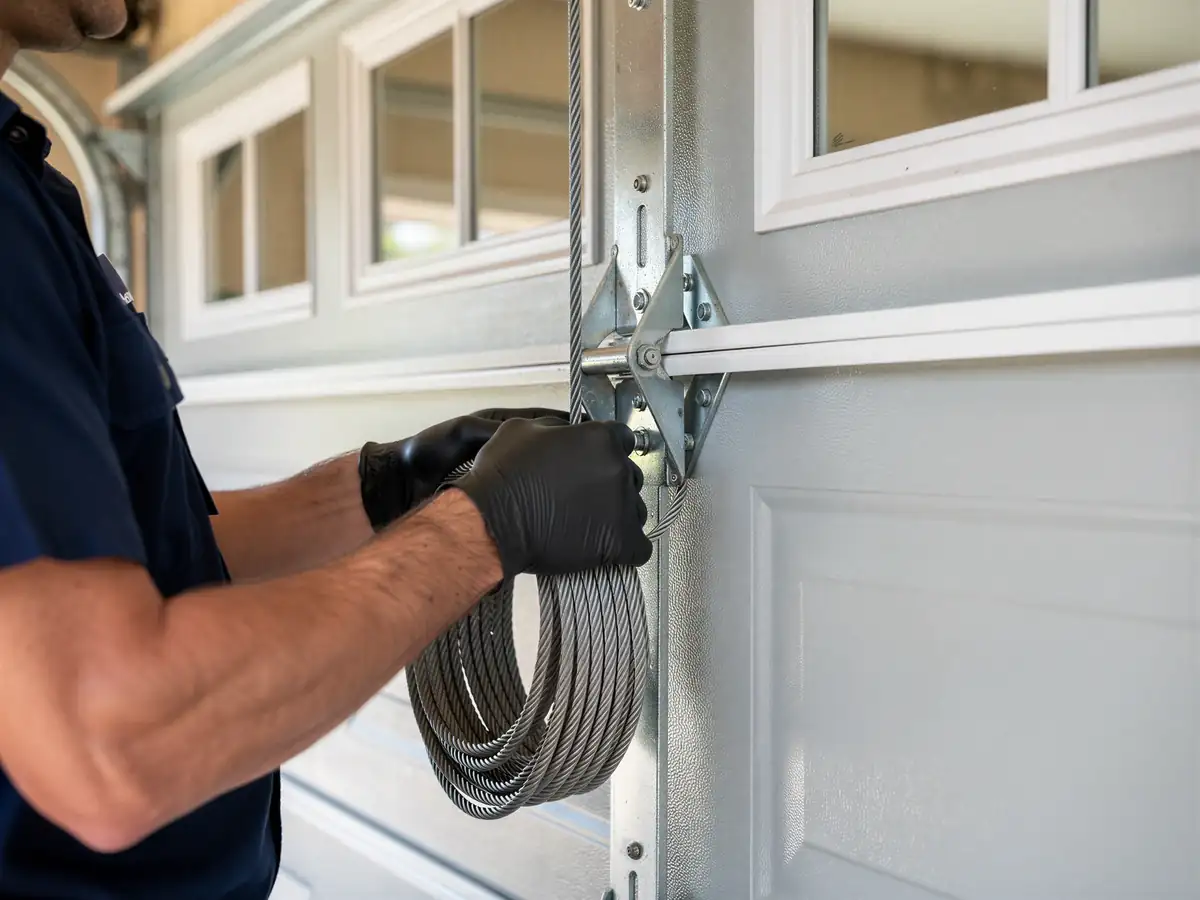
Roller replacement is a straightforward job once the door is off tension, but getting there safely is the part most homeowners skip. We release the spring tension, pull the track brackets loose enough to slide the old rollers out of the hinges, and inspect each hinge and track section for wear grooves before anything new goes in. Steel rollers with sealed bearings go back in on doors that see daily use, since they hold up better than the stock nylon rollers that most builders installed through the 1980s and 90s across this area. If a track section is bent or the hinge holes have worn oblong from years of a dragging roller, we replace that section too rather than bolt new rollers into a track that will just chew them up again. One honest limit here: if the door panel itself has cracked at the hinge points from the same wear, roller replacement alone won't fix the noise, and we'll tell you that up front instead of charging you twice. Most jobs run one visit, done from the truck stock we carry for standard residential track widths.
Doing It Yourself
You can replace rollers yourself if the door is already down and you're comfortable working around a wound torsion spring without touching it. The hinges unbolt with a socket wrench, the rollers slide out of the track at the bottom section, and new ones seat the same way. Where people get hurt is forcing a roller out of a track that's bent, or working on the top hinge while the door is held up by hand instead of locked with vise grips or a clamp. If your rollers are nylon and original to the house, expect the hinge pins to be worn too - replacing just the roller and leaving a loose pin gets you the same rattle back within a season. We'd rather sell you the part over the counter for an easy case than have you call us for a job that was never going to need a truck.
Why It Happens Here
Housing across the Cartersville service area mostly dates from 1964 to 2007, with the bulk of it - across the nine areas we work - built in the 1980s and 90s. Doors from that era almost always shipped with nylon rollers on steel hinges, a combination that was fine for the first decade or so and then starts to flat-spot and crack as the nylon ages. That timing lines up with what we see on service calls now: a lot of these doors are 25 to 40 years into their hinge hardware, right in the window where roller failure shows up as a grinding or thumping sound rather than a sudden break. The climate here is cold-moderate rather than extreme, so we don't get the freeze-thaw cracking that ruins rollers fast in harsher climates - here it's closer to plain mileage, thousands of open-close cycles wearing the same wheel edge. That's also why roller wear on these houses tends to show up gradually, as noise, well before anything seizes or jams.
What You Are Seeing
A grinding or squealing sound as the door opens, especially louder on one side than the other, is usually the first sign a roller is going. If you look at the track while the door moves, a worn roller will wobble or catch slightly at the bottom bracket instead of rolling smooth through the curve. Flat spots on a nylon roller are visible if you pull the door down and spin one by hand - a round roller should turn freely, a worn one will have a visible flat edge that thumps against the track on every rotation. Cracked rollers sometimes shed small plastic chips near the track, which is worth checking for if you sweep the garage floor and keep finding debris you can't place. None of these signs mean the opener is failing - it's worth ruling out the rollers and hinges before anyone replaces a motor or logic board over a noise that's really coming from the track.
How it works
From “it’s stuck” to “it’s fixed”
01
Tell us what’s wrong
Describe the symptom - won’t open, loud bang, opener runs but the door won’t move.
02
On-site diagnosis
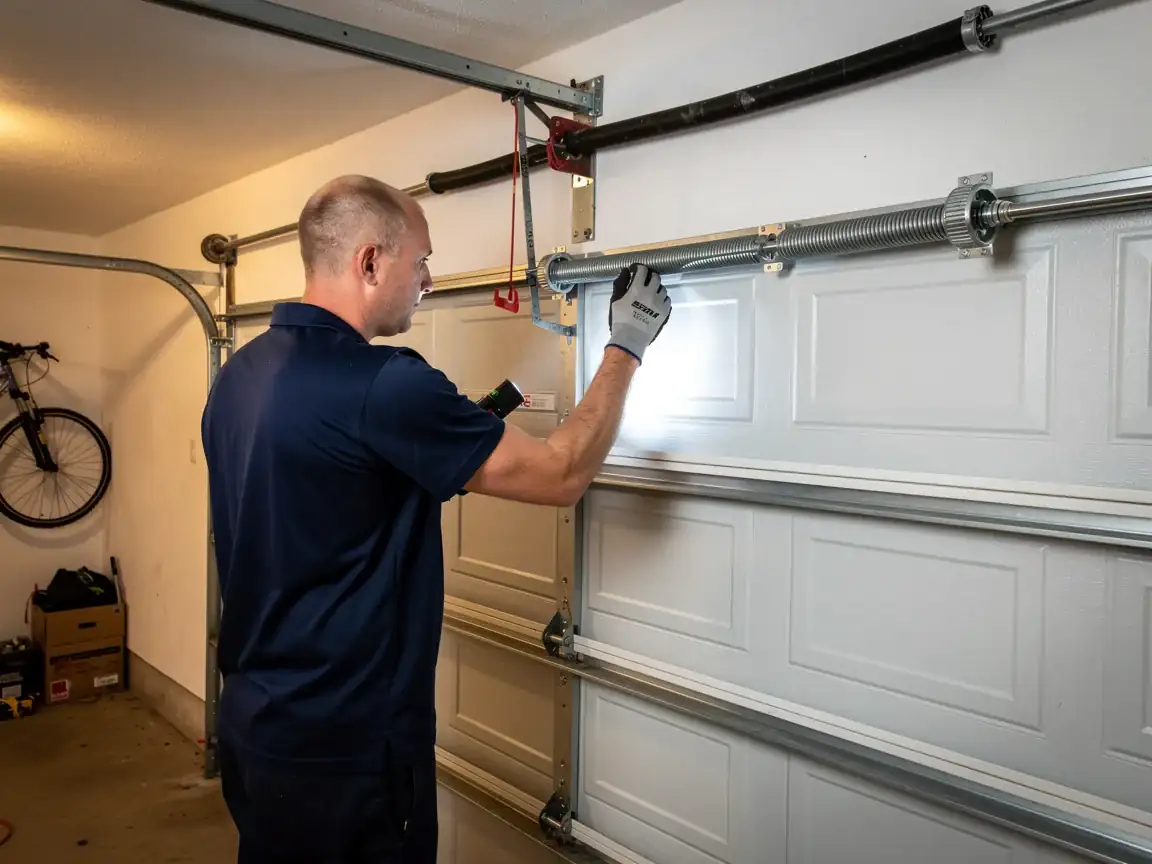
A technician tests the door under power and by hand and finds what actually failed.
03
Clear, up-front plan
You get the fix that’s needed and what drives the cost - before any work starts.
04
Repaired & tested
The repair is done, the door is set true and tested, and the work area left clean.
Not sure which repair your door needs in Cartersville, GA? Describe what it’s doing - every job starts with a diagnosis.
How many rollers does a typical garage door need replaced?
Most residential doors have 10 to 12 rollers total across all panels. We usually replace the full set at once rather than one or two, since the rest are at the same age and wear rate and will start failing again within months if left alone.
Are steel rollers worth it over nylon?
For a door in daily use, yes. Steel rollers with sealed bearings run quieter over time and don't develop the flat spots nylon rollers get after years of cycling. Nylon is fine for a lightly used door, but most houses in this area use the garage door daily as a main entry.
Can a worn roller damage the track?
Yes. A flat-spotted or wobbling roller drags unevenly against the track rail, which over time can bend the rail or wear the inside edge. That's why we check the track on every roller call instead of just swapping parts and leaving.
Ready to get your garage door sorted?
Tell us what it’s doing and where you are in Cartersville - we’ll take it from there.