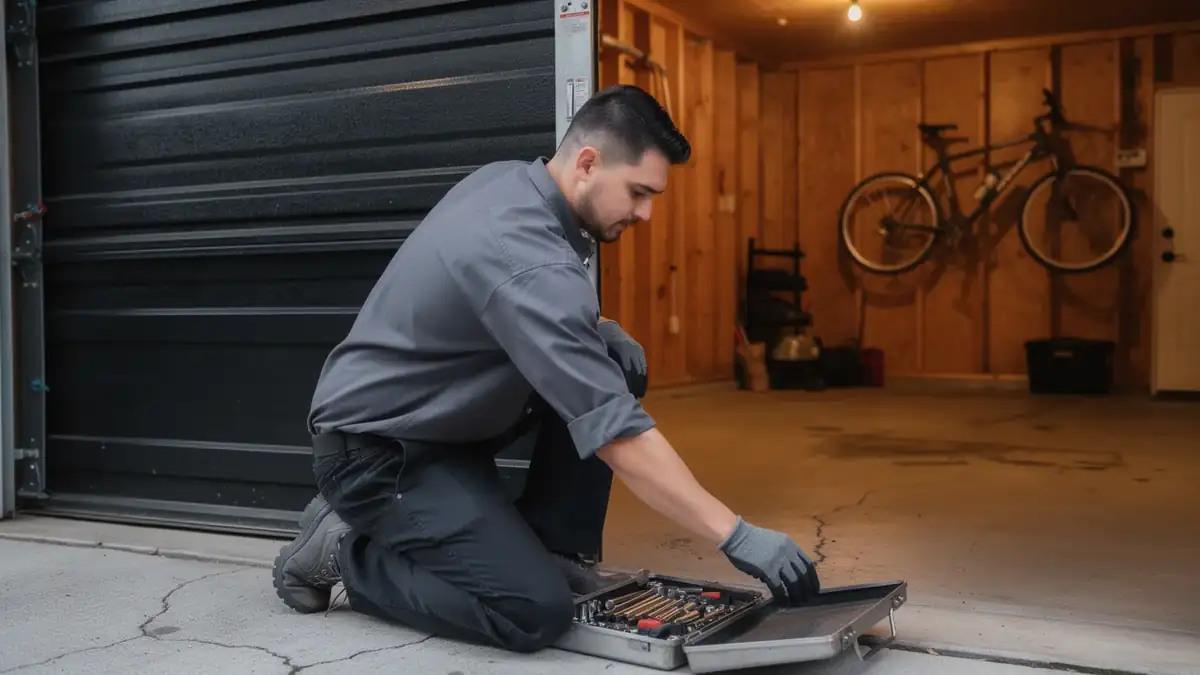
The Situation
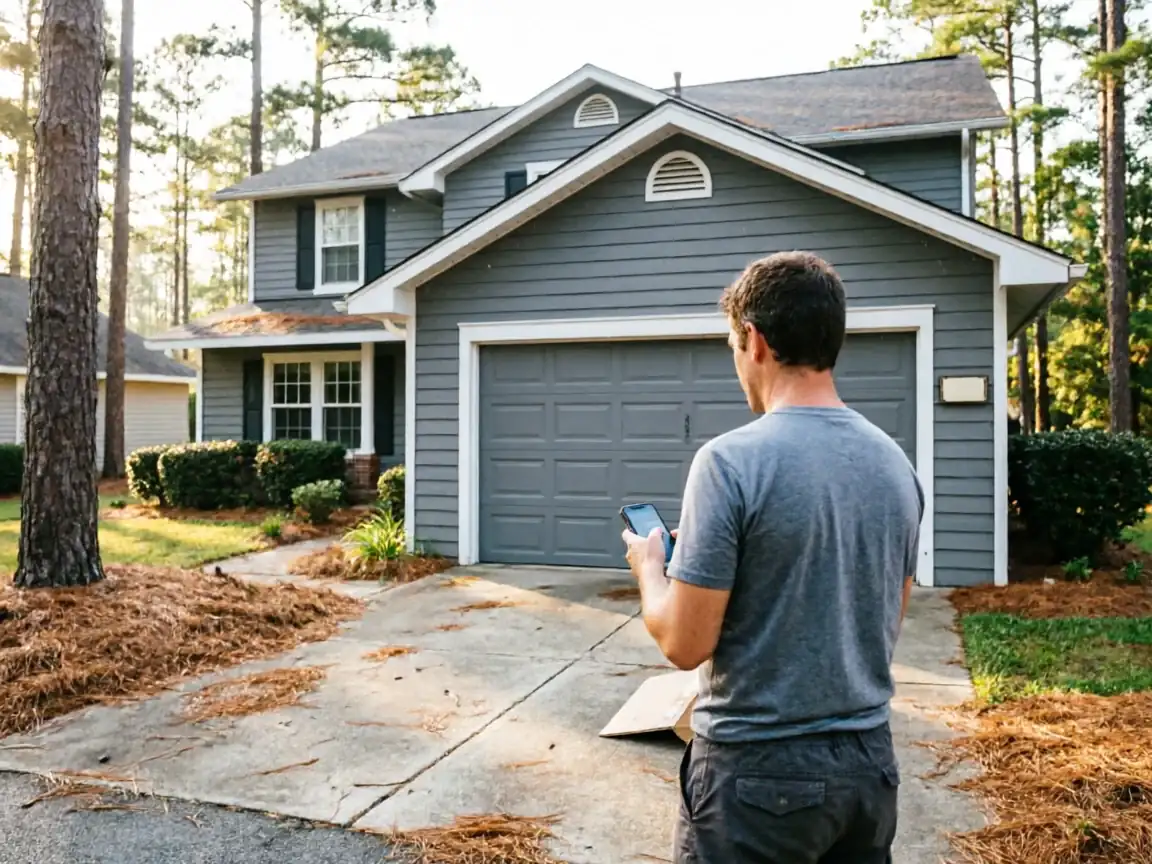
Most houses on this side of the county went up between 1964 and 2007
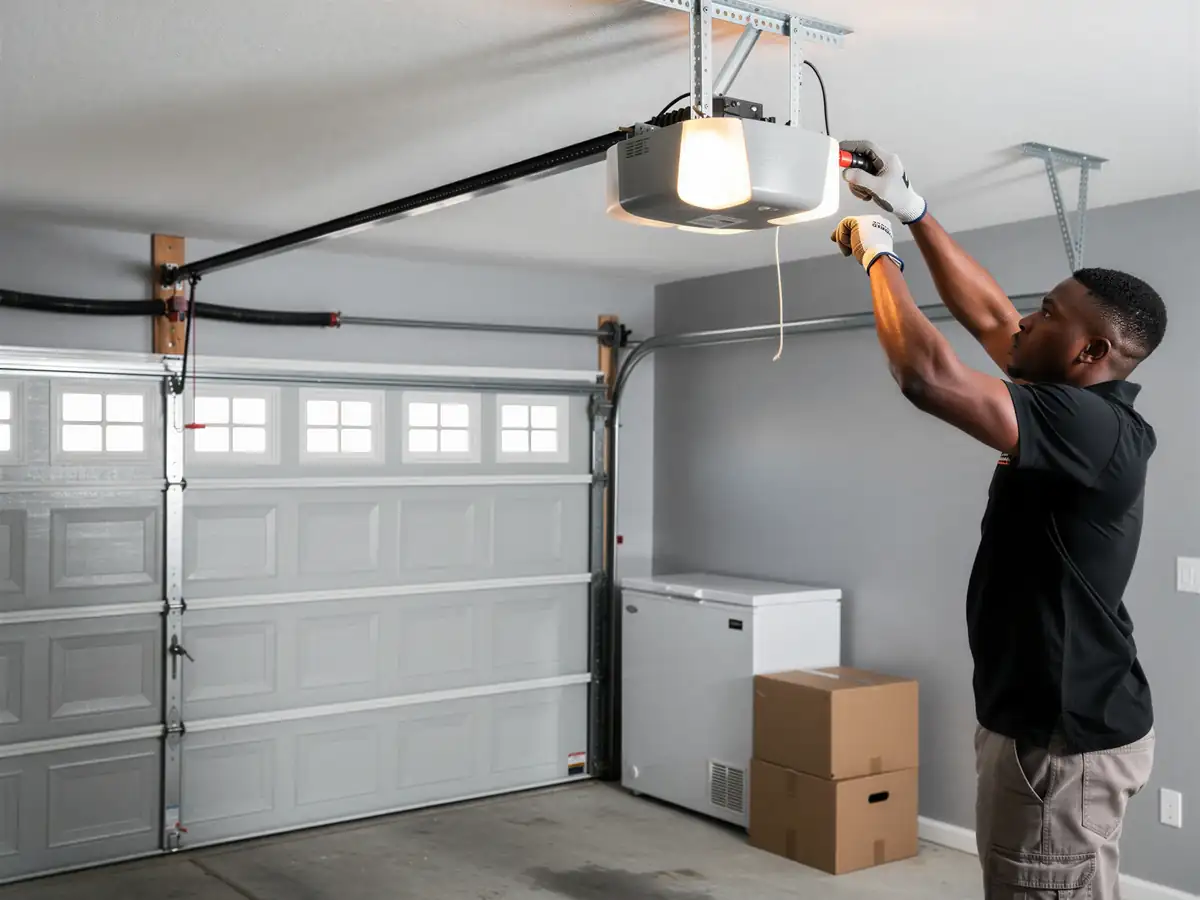
With the bulk of the stock dating to the 1980s and 90s, spread across nine named areas including Emerson, Euharlee, and Kingston. That range matters because it means a tech showing up for a "service call" isn't looking at one kind of door. A house from 1987 usually has a steel sectional door on extension springs with an opener that's been swapped once or twice. A newer build might have torsion springs and a belt-drive unit. A real service call starts with figuring out which era of hardware you've got, because the fix for one is wrong for the other.
With 8,765 owner-occupied houses out of 14,336 households in the area
A lot of these doors are still running original builder-grade hardware, not a replacement unit put in by a prior owner. That changes what a tech checks first: balance, cable wear, and whether the spring size on the door matches what the door actually weighs, since builder-spec springs on older stock are often undersized for the insulated replacement panels folks add later. A median household income of $76,424 here means most owners can afford to do a job right the first time, but they still want the straight answer on what's worth fixing.
- 8,765 owner-occupied
- 14,336 households
- $76,424 median household income
What the Weather Here Does to It
This area sits in a cold moderate climate band, which means real winter swings, not just a cold snap or two. Steel track and torsion bars contract in cold weather, and a door that rolled smooth in August can start binding or grinding in January simply because the clearance between roller and track tightened up overnight. That's one of the first things a tech checks on a cold-season call: track alignment, not just the spring.
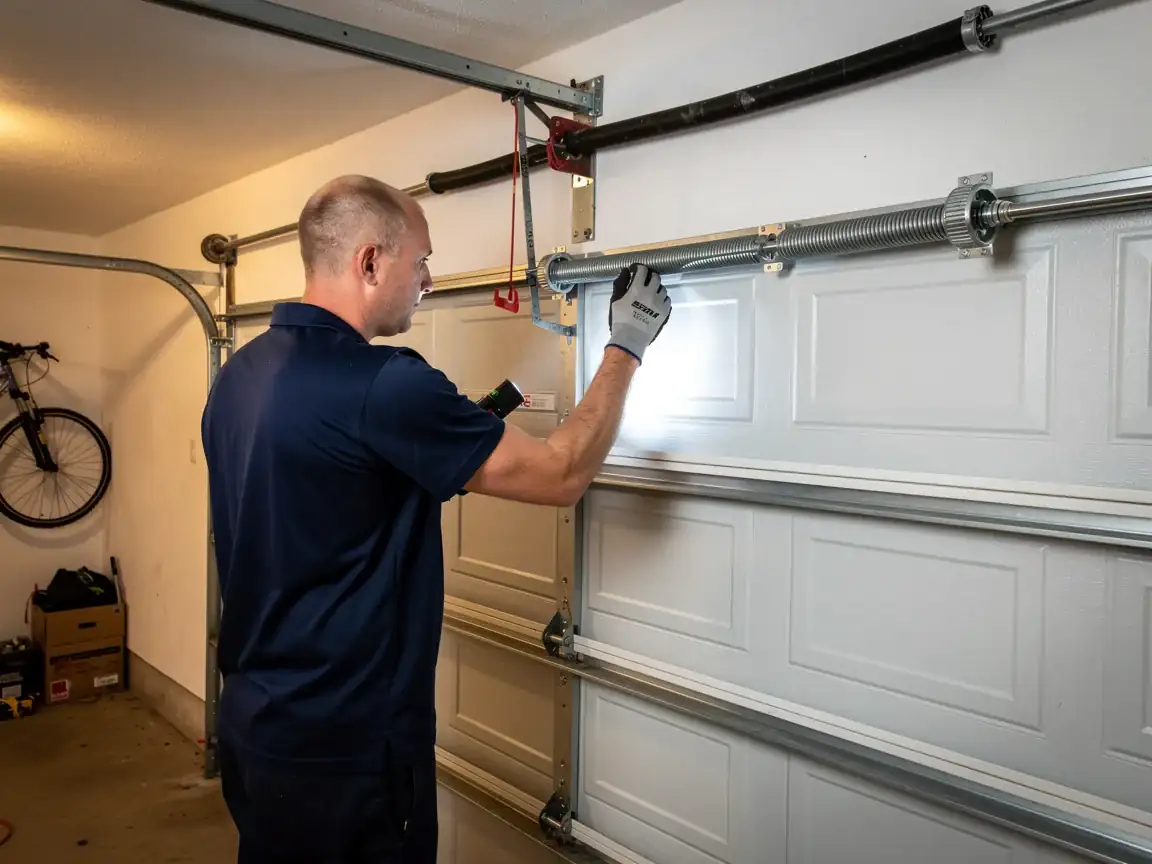
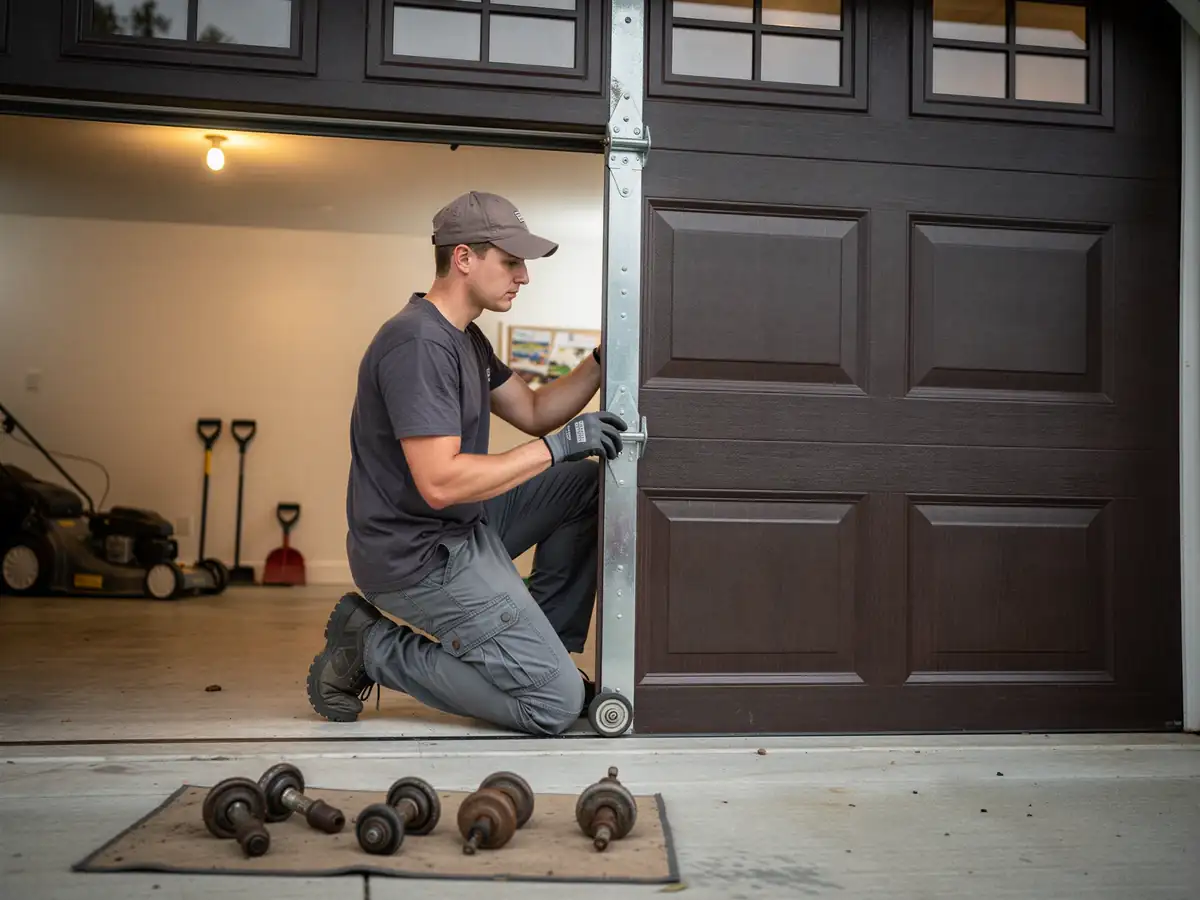
Temperature swings also work on the springs themselves. Torsion springs lose a small amount of tension as steel cools, which on an older spring that's already fatigued can be the difference between a door that lifts fine in summer and one that won't budge on a 20-degree morning. Lubricant matters more here than in a mild climate - the wrong grease stiffens up in cold and gums rollers and hinges, which looks like a motor problem but isn't.
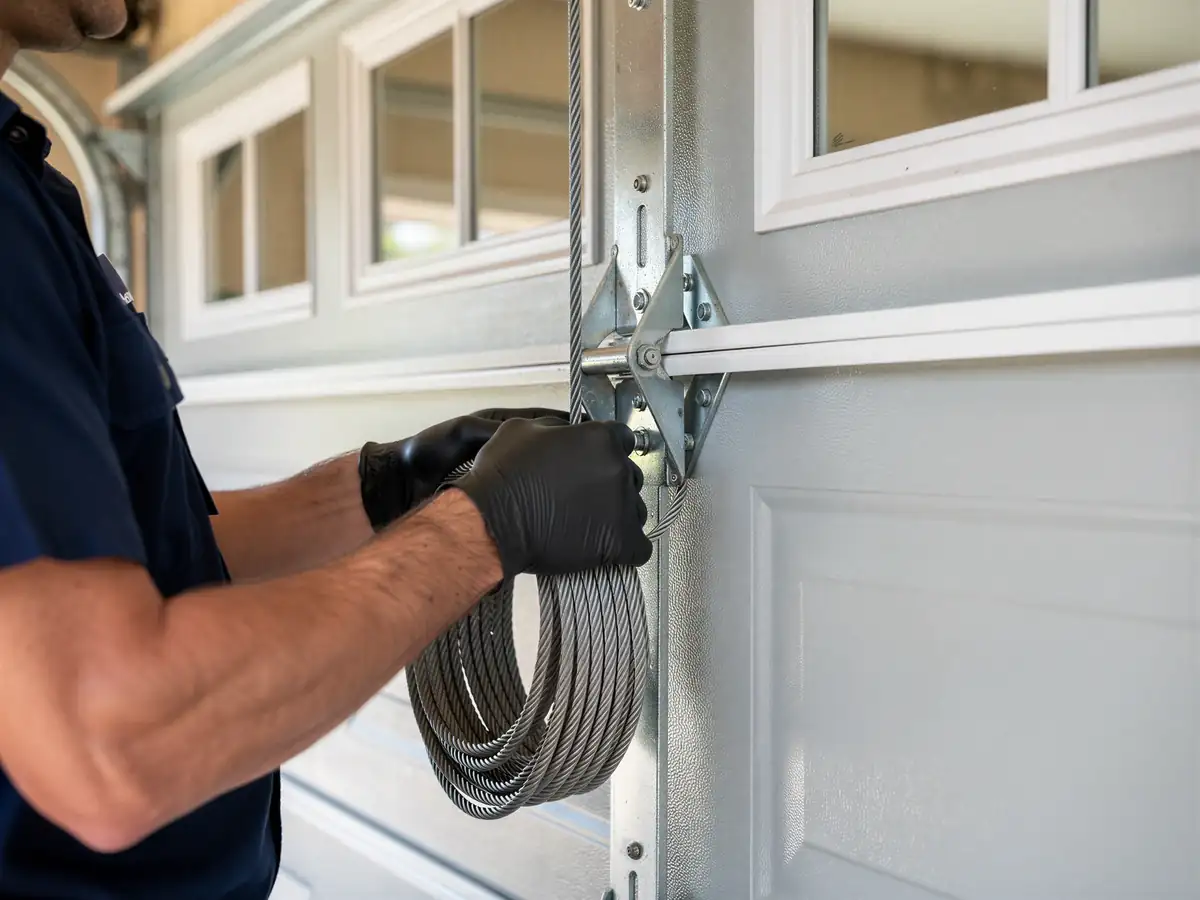
Moisture is the other half of it. Humidity swings between seasons work rust into cable ends and hinge pins faster than a dry climate would, especially on doors facing weather. A service call in this area checks cable fray and hinge corrosion as a matter of course, not as an upsell.
When to Call Someone
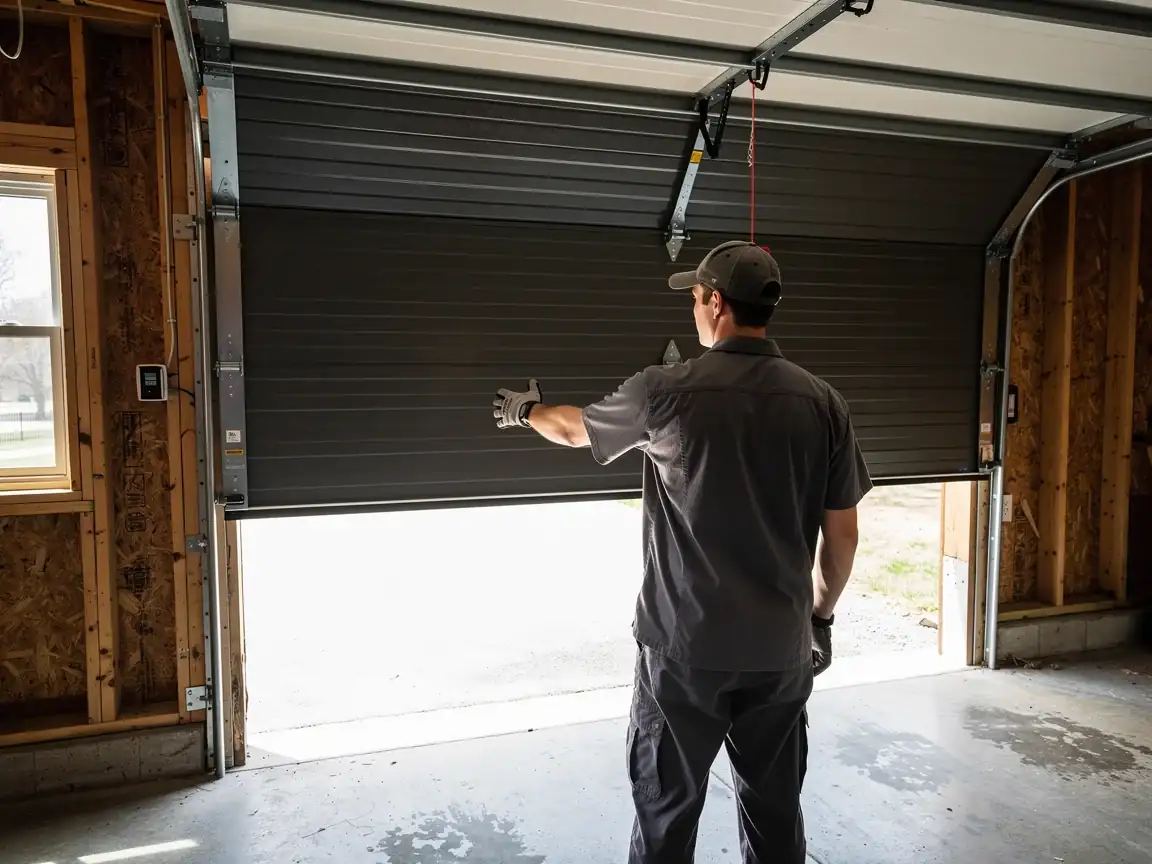
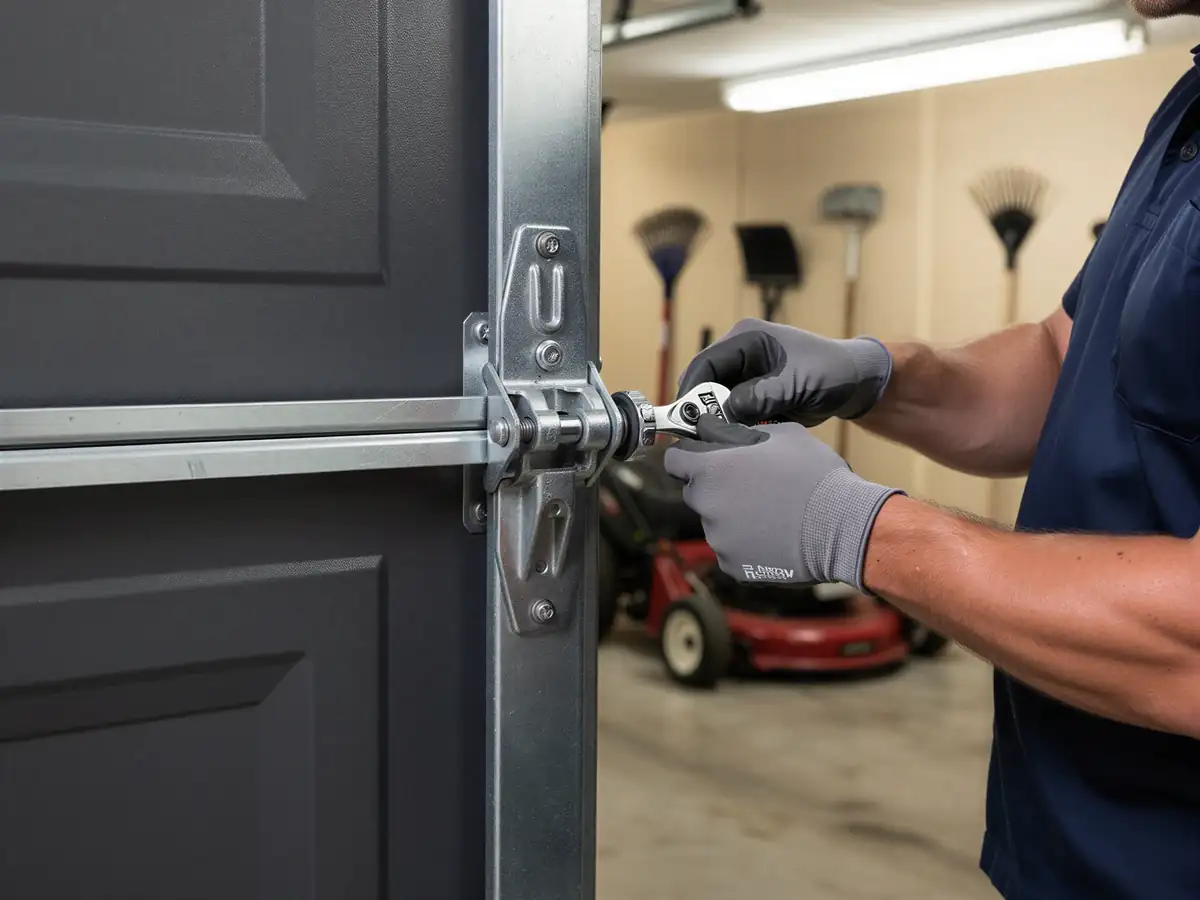
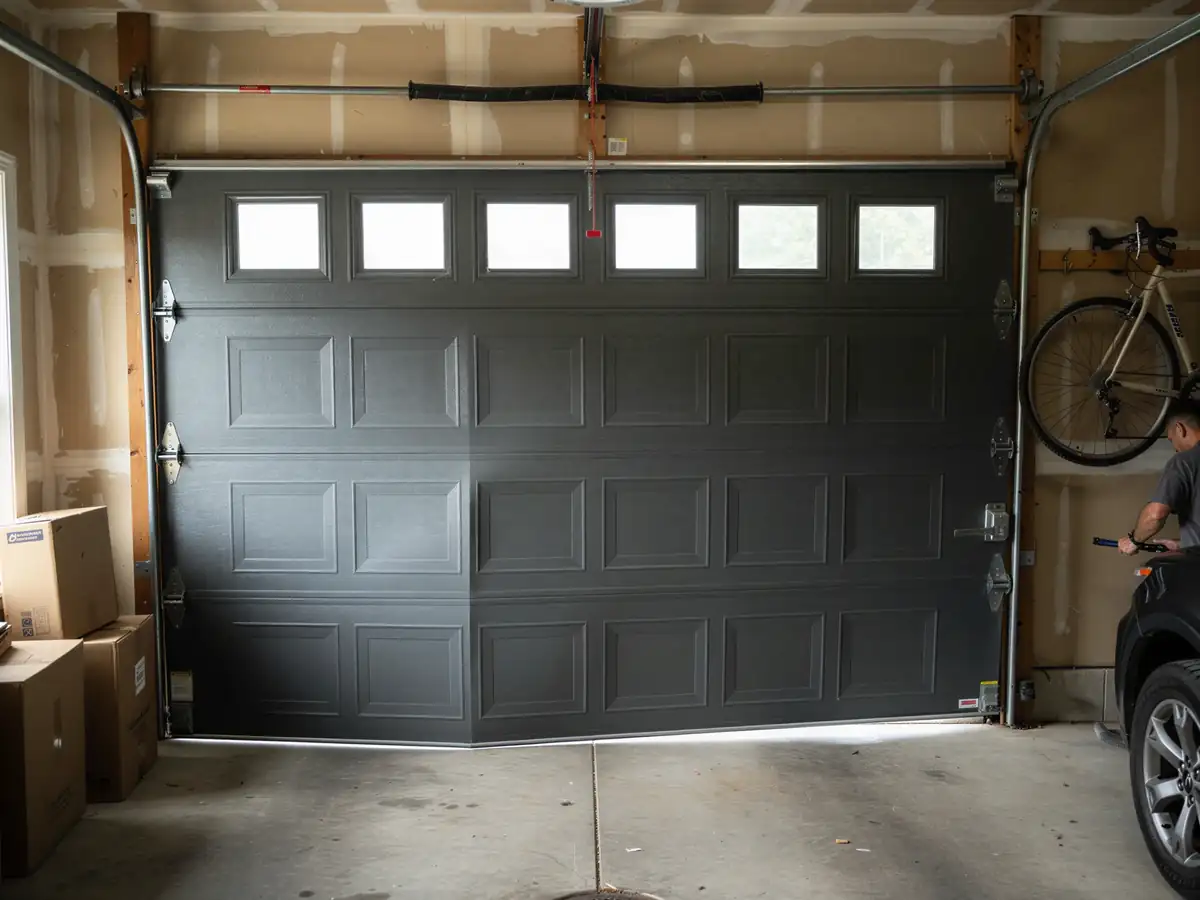
Call when the door makes a new noise it didn't make last month - a bang on the way up usually means a cable or spring, not the opener. Call if the door is noticeably heavier to lift by hand than it used to be; that's spring fatigue, and on houses from the 1980s and 90s stock common in this area, that spring has likely never been replaced. Call if the door sits unevenly when it's down, even by an inch - that's a balance issue that gets worse with cold-weather contraction, not better.
Don't wait on a frayed cable. A cable that's starting to fray under tension can snap, and a snapped cable on a loaded spring is a dangerous repair for anyone without the right bars and clamps. Same goes for a spring that's visibly separated or gapped - that's not a DIY call regardless of how handy you are.
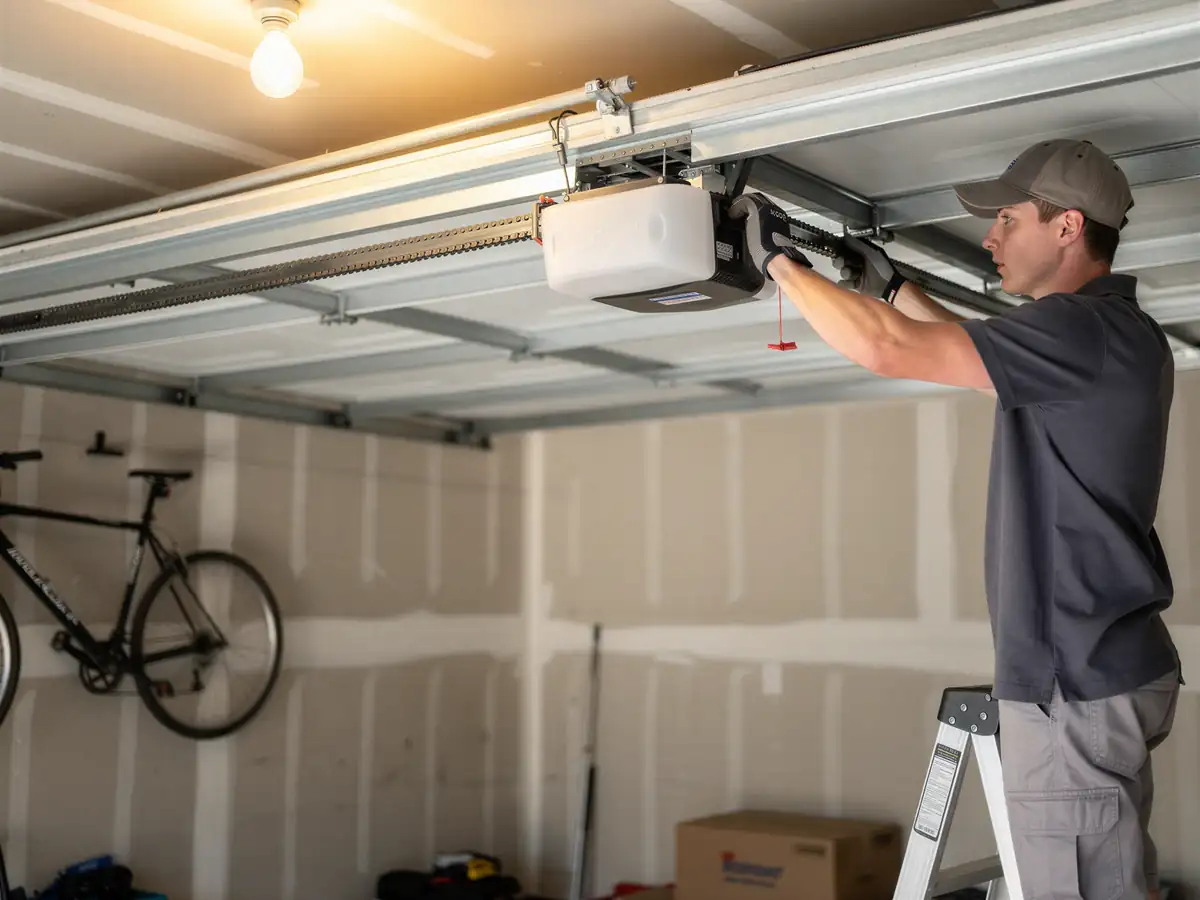
If the opener runs but the door doesn't move, that's almost always the drive mechanism, not the motor, and it's a quick diagnosis on site. If you're not sure which of these you've got, that uncertainty itself is the reason to call - guessing wrong on a torsion spring job is how people get hurt.
Doing Nothing For Now
Not every noise or sticking point needs an immediate call
A door that's slightly noisy but still balances evenly and opens smooth can usually wait for a scheduled visit rather than an emergency one - that's a fair way to save money if the household budget calls for it. Surface rust on hardware that hasn't reached the cable or spring coils is cosmetic for now, though it's worth having it looked at before the next humid stretch.
Here's the honest limit
We don't recommend patching a torsion spring system that's original to a house built before the 1980s if the door itself is also original. At that point the spring, the cable, and the door panel are all near the end of their service life together, and a patch job just moves the next failure a few months down the road. Replacement ends up cheaper than two or three service calls in a row. We'll tell you straight when that's where you are instead of running the meter on repairs that won't hold.