Garage Door Service for Cartersville Homes Built 1964-2007
Cartersville garage door service for homes built 1964-2007, where cold snaps strain aging torsion springs and worn rollers on older openers, not newer homes.
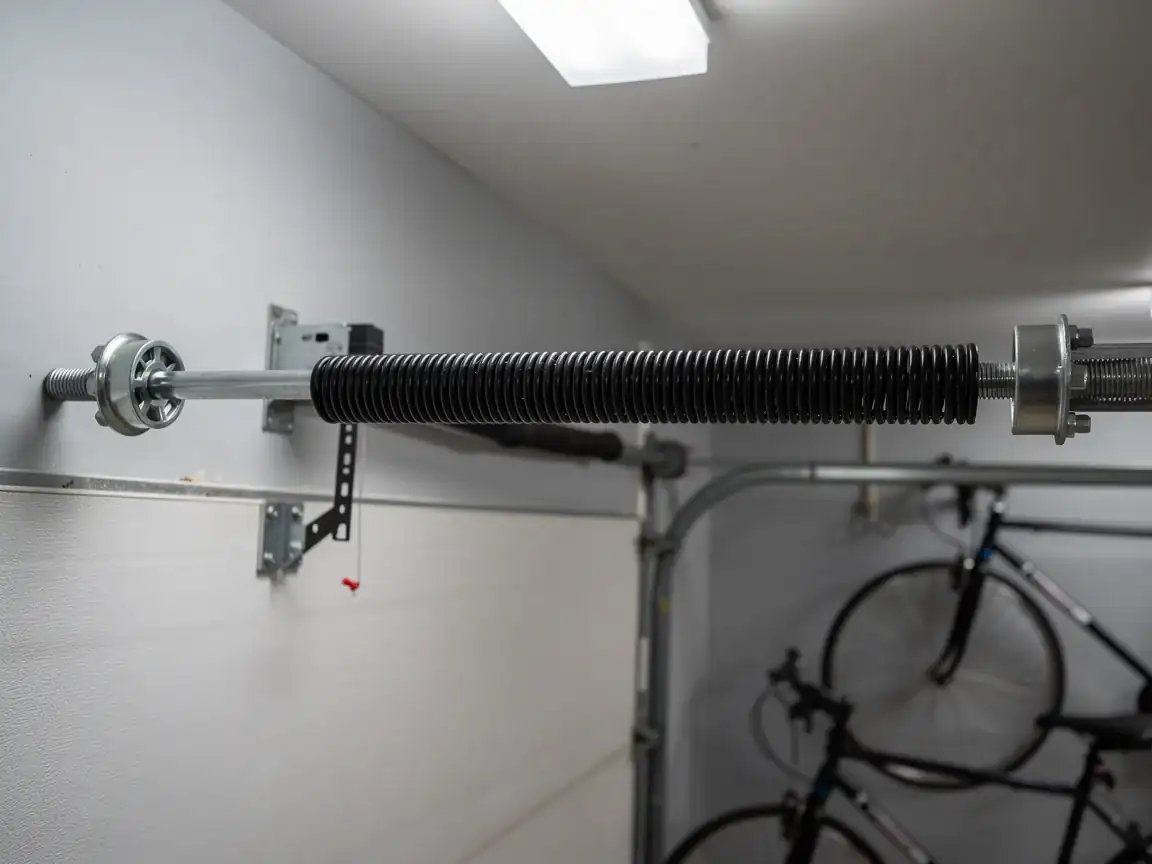
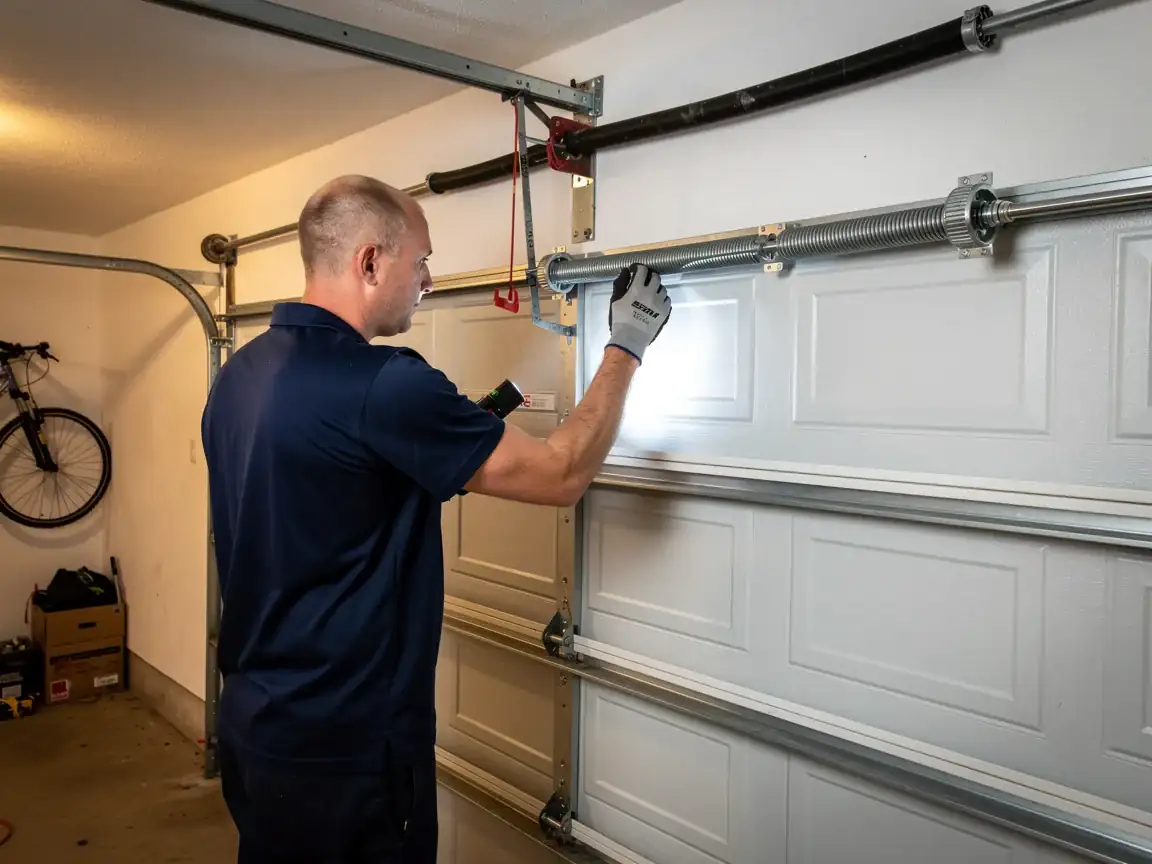
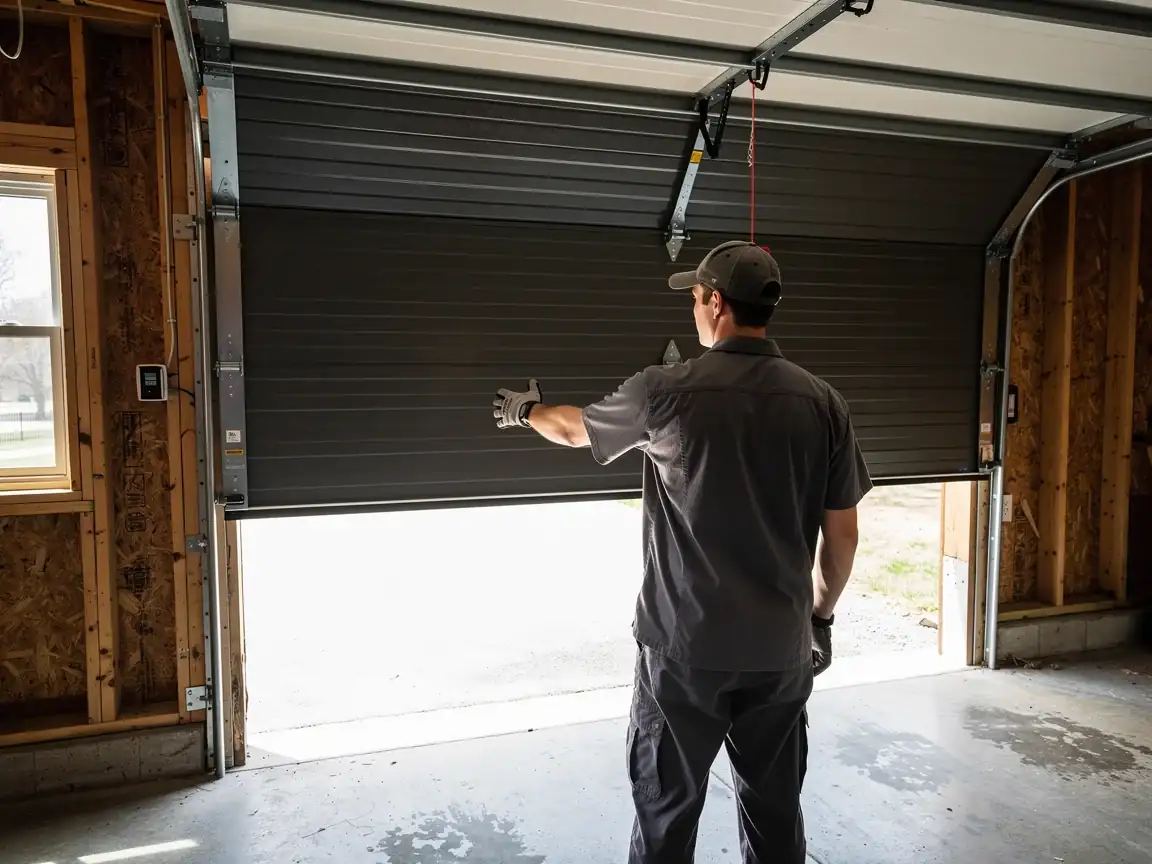
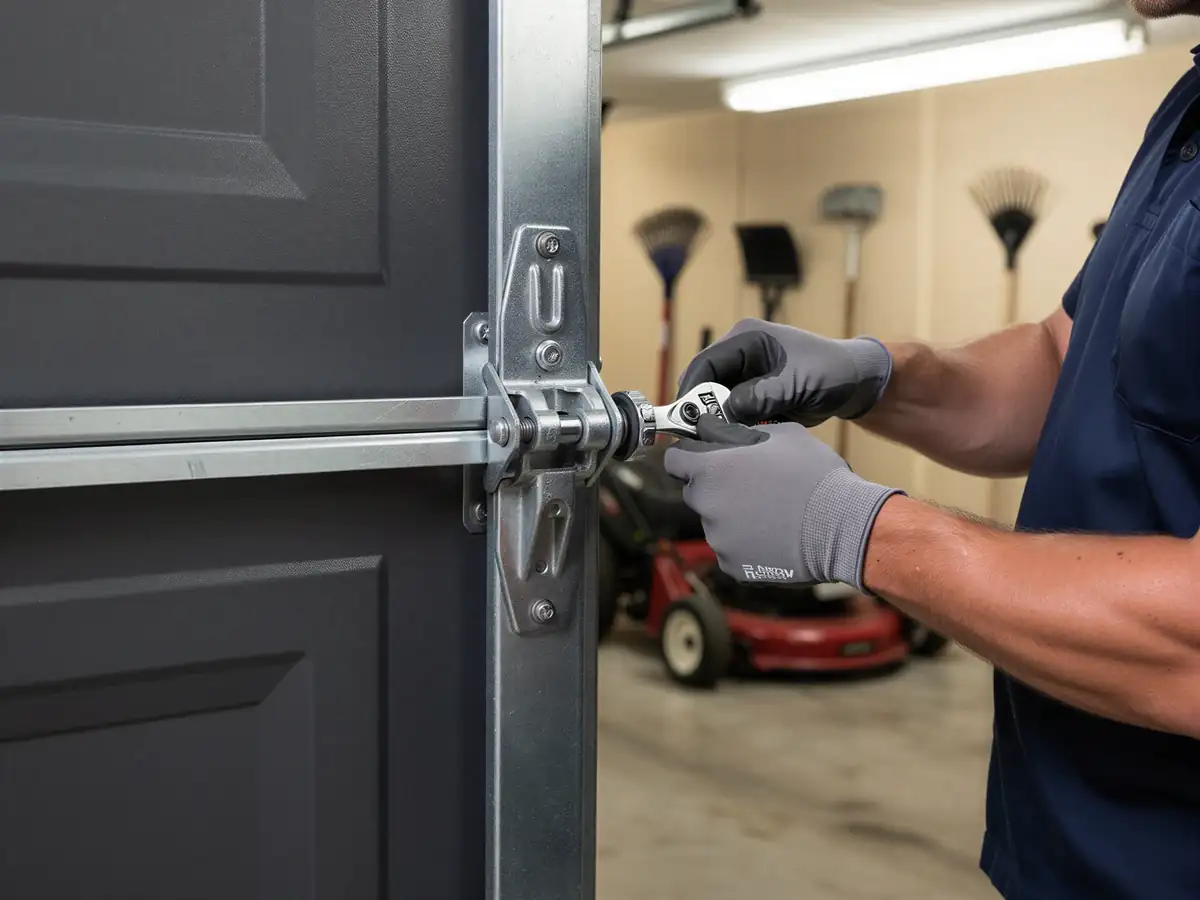
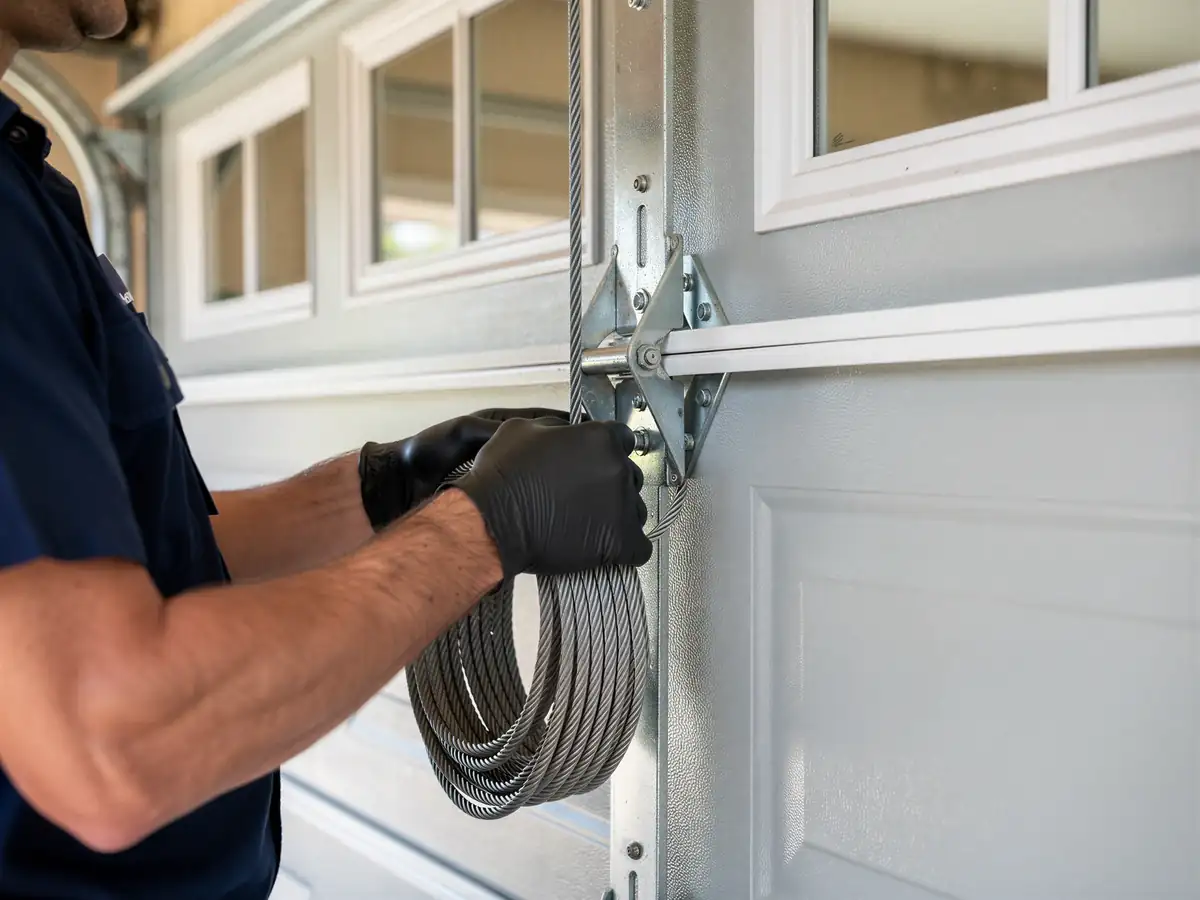
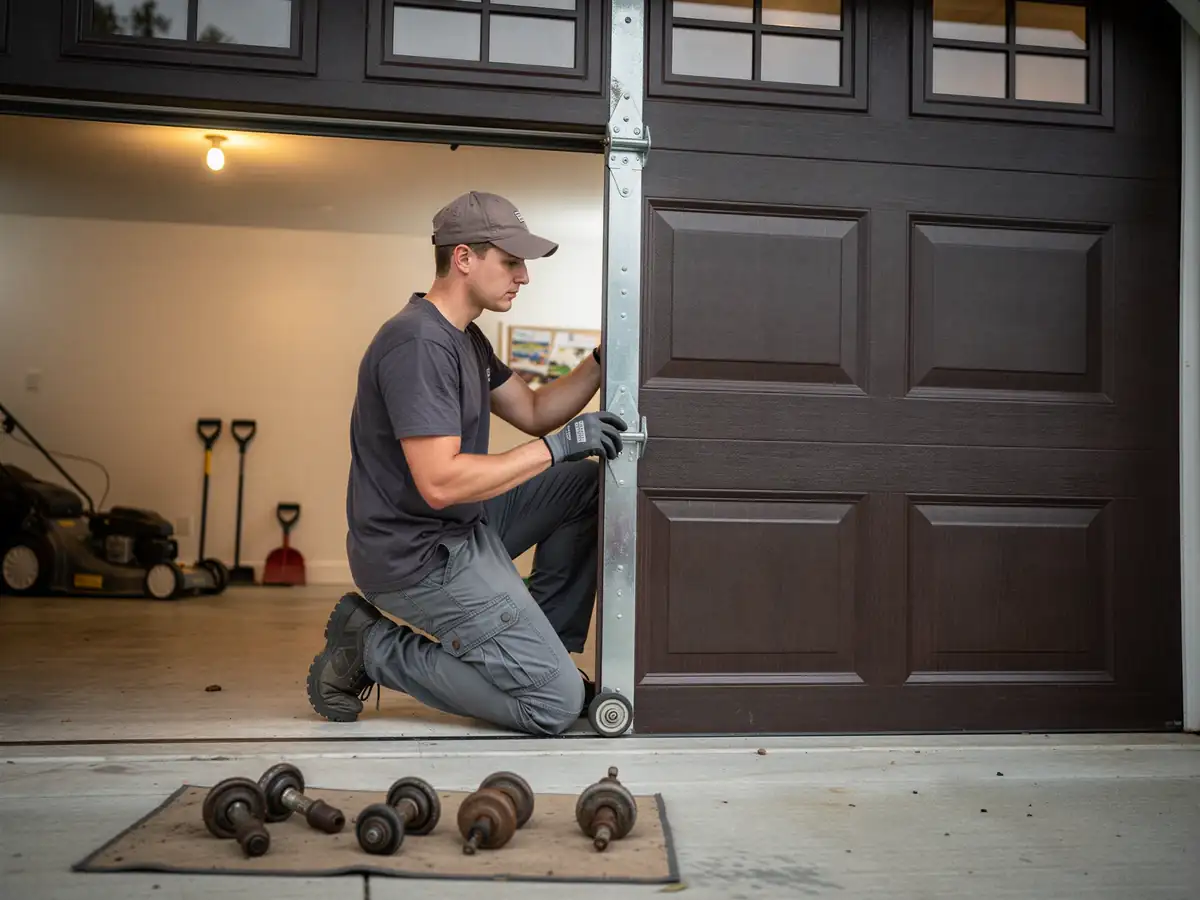
We start by figuring out which part is actually carrying the failure, not just where the noise is coming from. On a lot of the doors we see, the housing stock here runs 1964 through 2007, with most of it going up in the 1980s and 90s, so the torsion spring under tension right now is very often original to the house. We check the spring's wind count and wire gauge against the door weight it's holding, not just swap in whatever's on the truck. If the rollers are the issue, we look at whether they're worn nylon rollers from that era or steel ball-bearing units someone added later, because mixing the two throws the whole track alignment off. Cables get checked for fraying at the drum, not just at the bottom bracket where it's easy to see. If the opener's the problem, we check the drive gear and the travel limits before we touch the logic board, since a stripped gear looks electrical but isn't. We replace what's actually failed and leave the rest of the hardware alone. A full tune-up on an older system usually costs less than letting one worn part take out the next one down the line.
Doing It Yourself
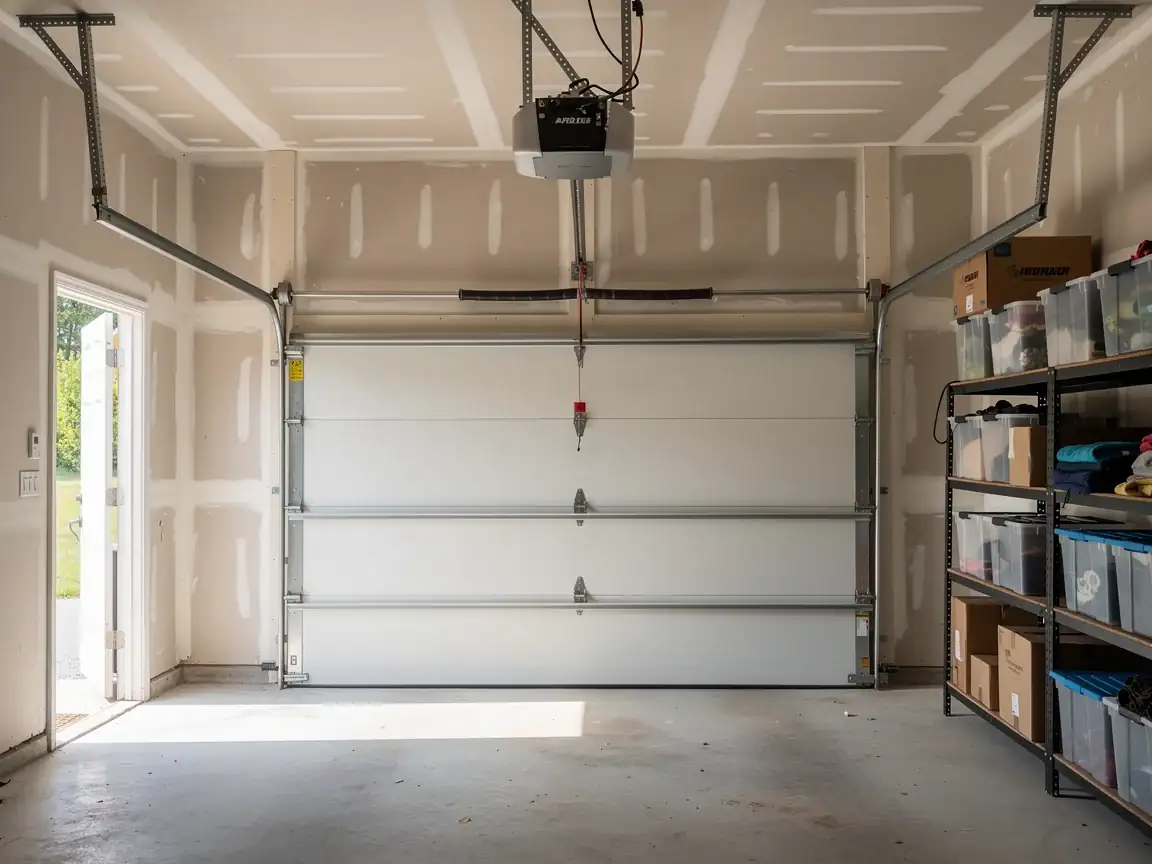
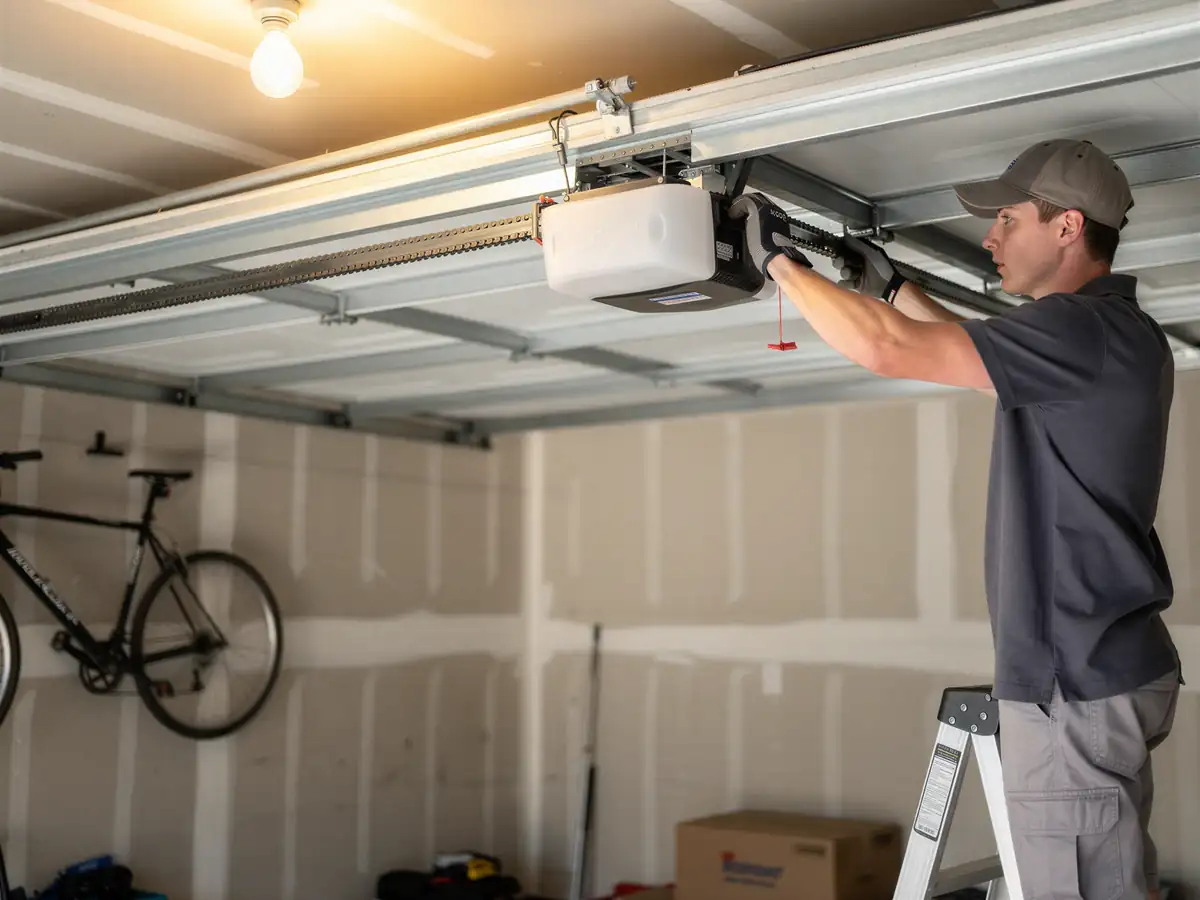
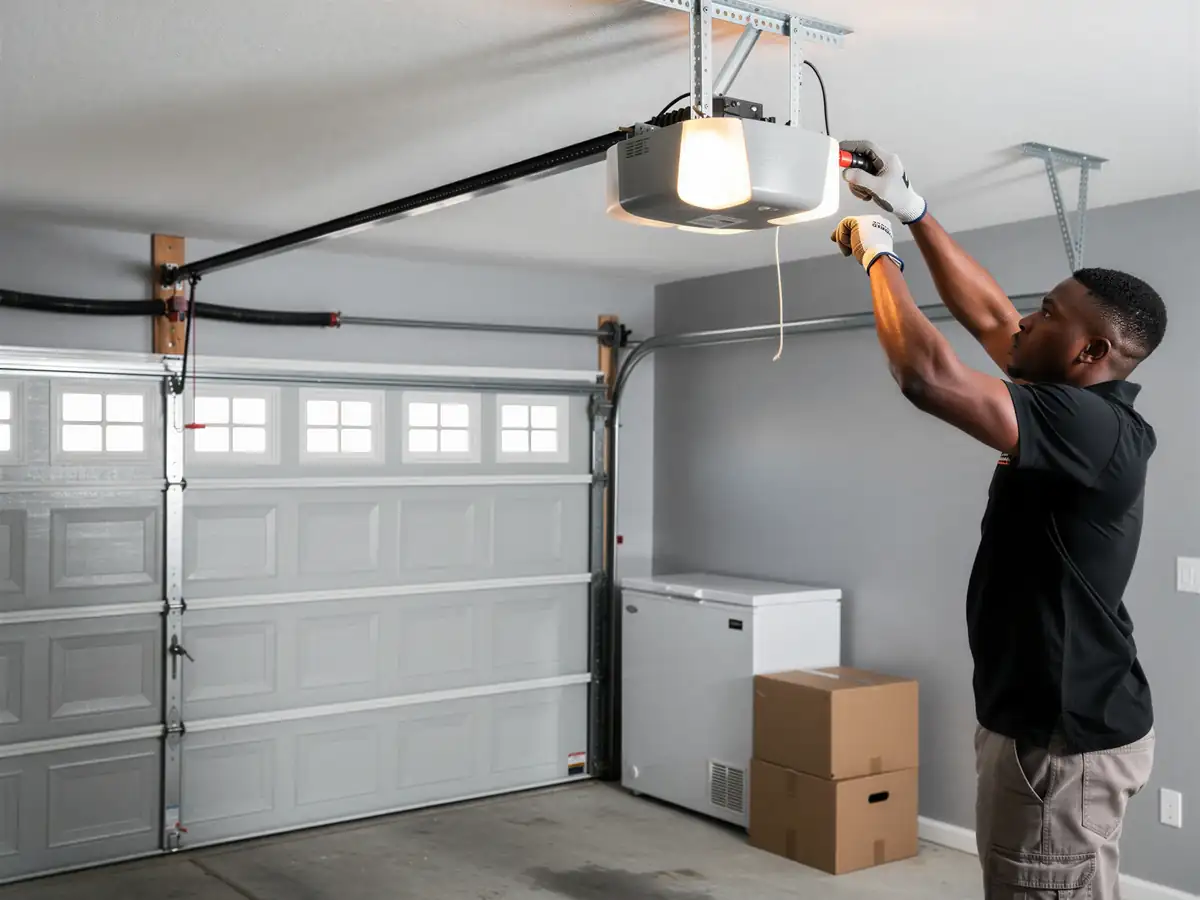
There's real maintenance a homeowner can do safely. Wipe down the tracks and check for dents or gaps where the rollers ride. Look at the springs from the side, not underneath, and check for a visible gap in the coil, which means it's cracked. Tighten the bolts on the opener rail where it bolts to the ceiling, since those work loose over years of vibration. Lubricate the rollers and hinges with a garage door lubricant, not household oil, which attracts grit. What you shouldn't touch is the torsion spring itself. It's under enough tension to cause real injury, and on a door from the 1980s or 90s the spring, drum, and cable are often sized to match hardware that's no longer made the same way, so a mismatched replacement part can bind the whole system. If the door is off its track or a cable has come off the drum, that's also a call-us job, not a weekend project. Knowing which jobs are safe and which aren't is most of what keeps a garage door working for decades instead of needing a full replacement.
Why It Happens Here
The housing across this service area runs 1964 to 2007, with a median build year around 1987, and most of the nine areas we cover share that same mostly-1980s-and-90s stock. That matters because torsion springs are rated by cycle count, not by calendar years, and a spring installed when a house was framed in 1986 has been opening and closing that door for close to forty years now. Cartersville sits in a cold-moderate climate band, and that swing between a cold morning and a warmer afternoon makes the steel in a spring and the lubricant in an opener's drive gear contract and loosen at different rates than they would somewhere with a flatter temperature curve. That's the combination we see over and over: original hardware, decades of cycles, and a climate that stresses the metal just enough to push a tired spring or a gummed-up opener gear past the point it can hold. Newer builds in the same area, the ones closer to 2007, tend to have galvanized springs and better-sealed openers, so the failure pattern there looks different and shows up later.
What You Are Seeing
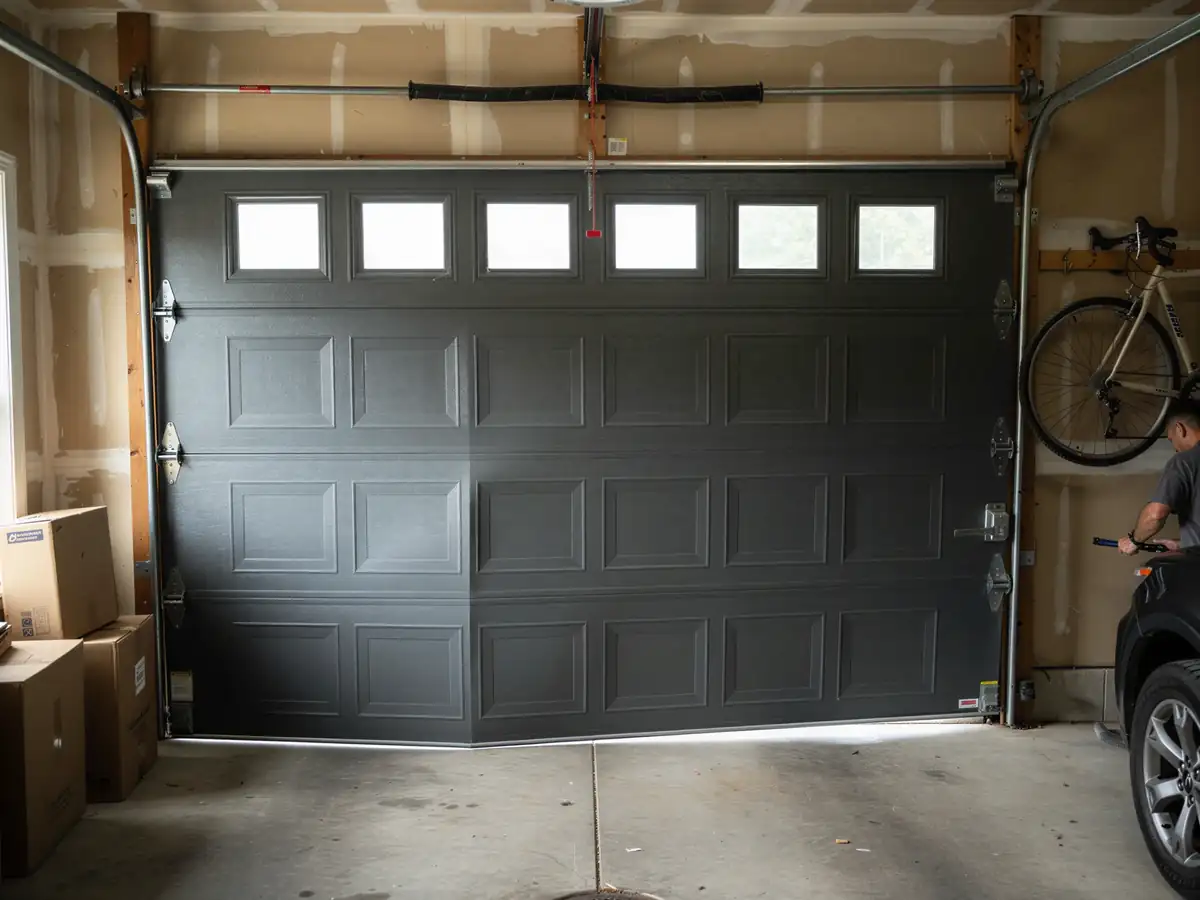
A door that reverses halfway up, for no reason you can find, usually means the opener's travel limits have drifted or a roller is catching on a worn section of track. A loud bang followed by the door refusing to open at all is almost always a broken torsion spring, and on a house from the 80s or 90s that spring has likely never been replaced. If the door is slow and heavy-sounding on cold mornings but loosens up by afternoon, that's the cold-moderate swings at work on an aging spring that's already lost some of its tension. Squealing rollers that get worse over a few weeks point to worn nylon rollers grinding instead of rolling. An opener that runs but the door barely moves usually means the drive gear inside the unit has stripped, which is common once a unit's been cycling an original, undersized spring for years past its rated life. If the door sits unevenly, higher on one side than the other, check the cables before anything else, since a frayed cable on one side will let that side sag while the opener keeps pulling on the other.
How it works
From “it’s stuck” to “it’s fixed”
01
Tell us what’s wrong
Describe the symptom - won’t open, loud bang, opener runs but the door won’t move.
02
On-site diagnosis
A technician tests the door under power and by hand and finds what actually failed.
03
Clear, up-front plan
You get the fix that’s needed and what drives the cost - before any work starts.
04
Repaired & tested
The repair is done, the door is set true and tested, and the work area left clean.
Not sure which repair your door needs in Cartersville, GA? Describe what it’s doing - every job starts with a diagnosis.
How old does a garage door spring usually get before it fails around Cartersville?
Springs are rated by cycle count, not age, but in houses here built in the 1980s and 90s, most of what we see failing is original hardware that's been cycling for close to 30 to 40 years. The cold-moderate climate swings add extra stress on top of that cycle count, which tends to bring the failure earlier than it would in a flatter climate.
Can I replace a torsion spring myself to save money?
We'd rather you didn't. A torsion spring holds enough stored tension to cause serious injury if it releases wrong, and on an older door the drum and cable are often sized to match hardware that isn't made quite the same way anymore. A mismatched spring can bind the whole system instead of fixing it.
Why does my opener struggle more on cold mornings?
Cartersville sits in a cold-moderate climate band, and that temperature swing stiffens the lubricant in an opener's drive gear and tightens the metal in an aging spring. If the spring was already near the end of its life, that extra resistance on a cold morning is often what pushes it to fail.
Do you work outside Cartersville itself?
We cover the surrounding service area, including Emerson, Euharlee, Kingston, Adairsville, Rockmart, Waleska, Holly Springs, Hiram, and Fairmount. Housing stock across most of that area runs the same 1964 to 2007 range, so the same failure patterns show up.
Ready to get your garage door sorted?
Tell us what it’s doing and where you are in Cartersville - we’ll take it from there.