How We Fix It
Most houses in Emerson went up around 1984
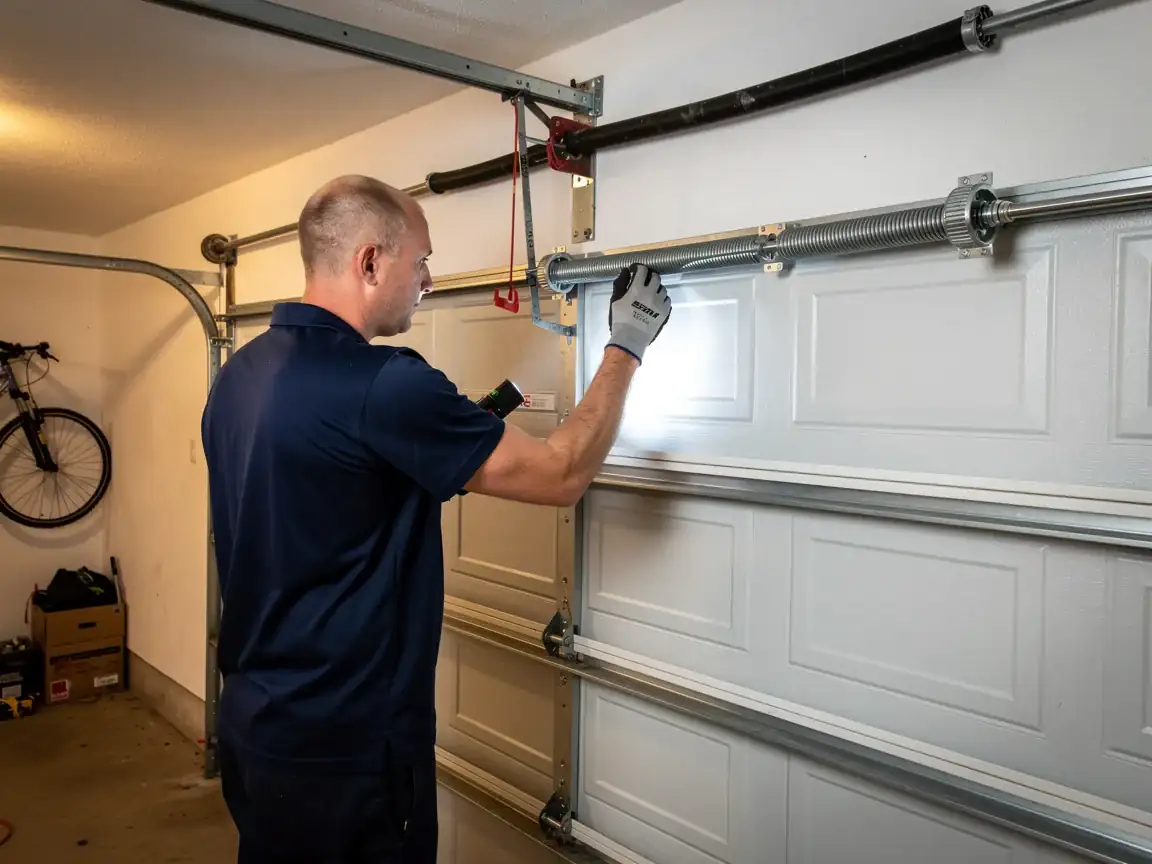
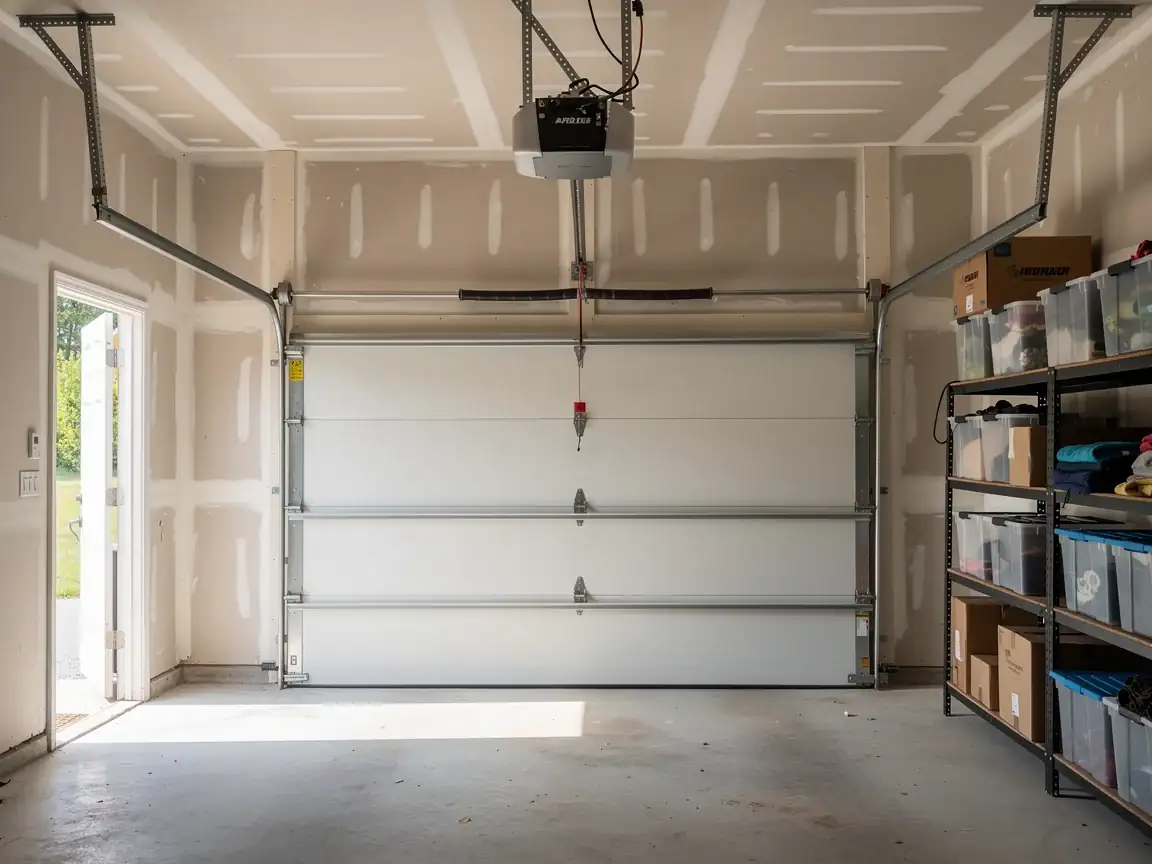
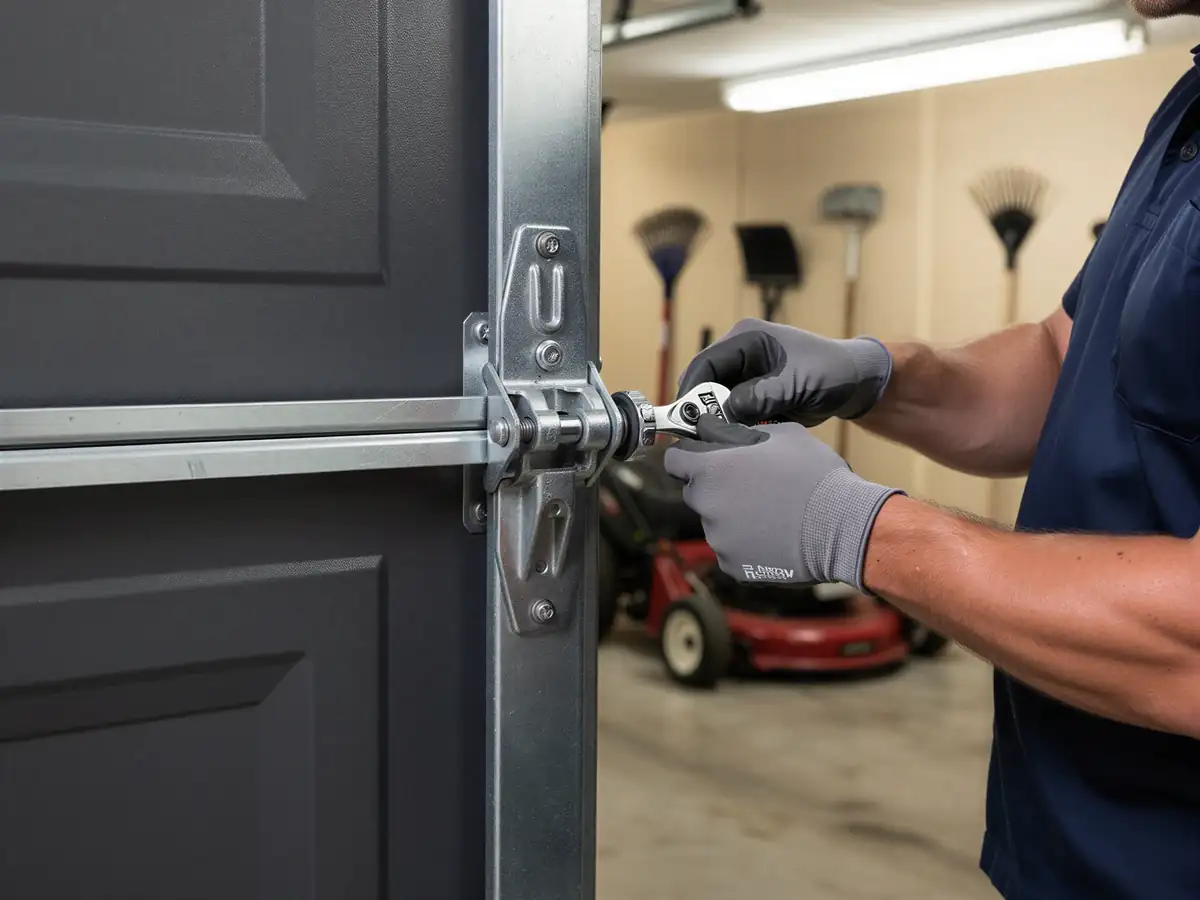
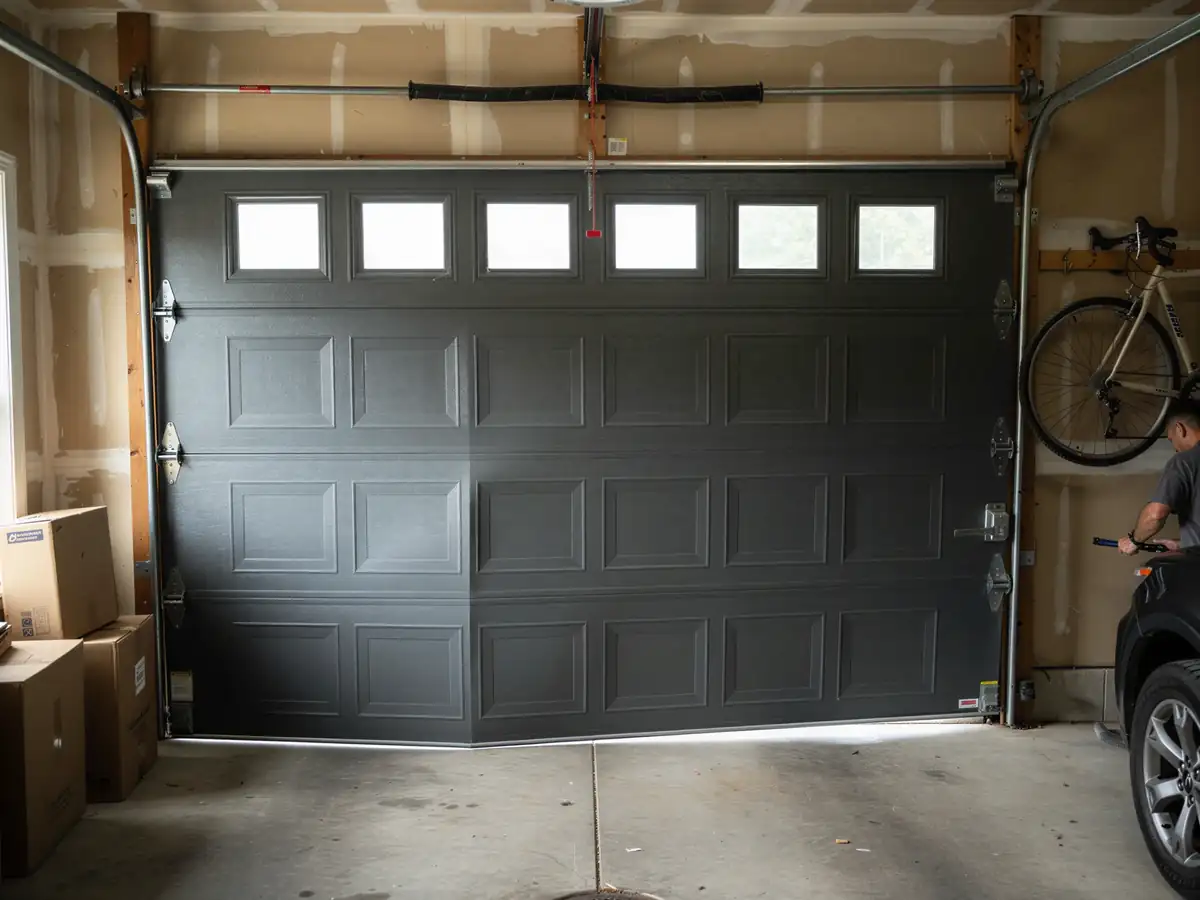
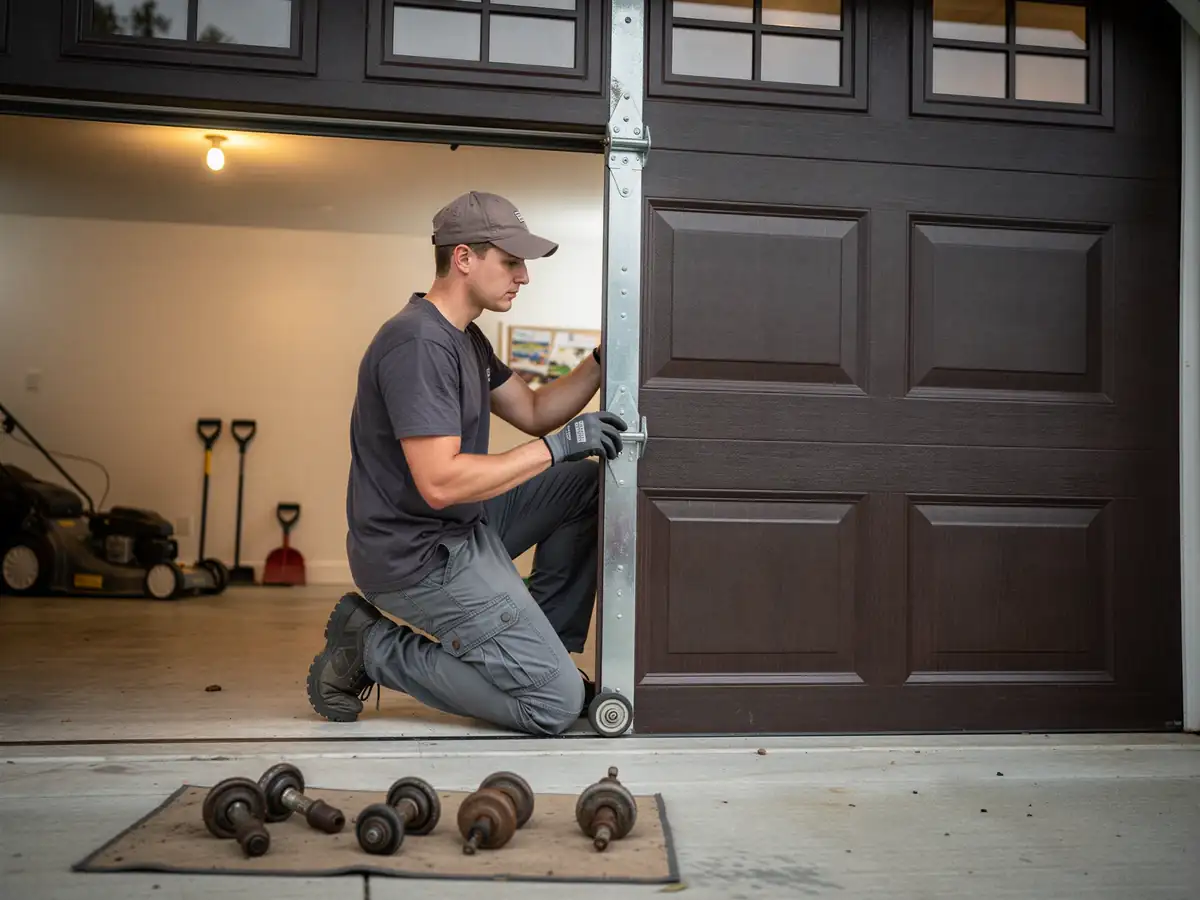
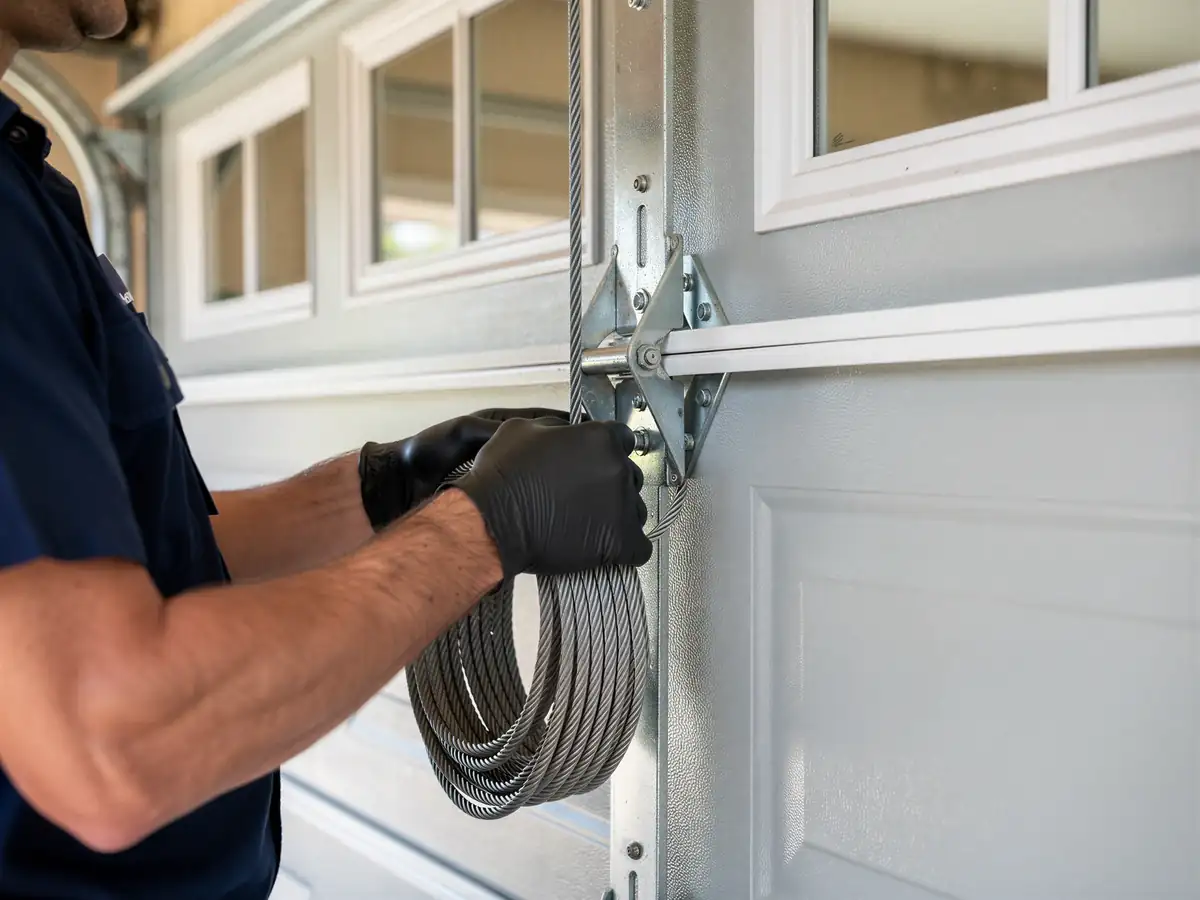
A few years ahead of the 1987 median for the wider service area we cover out of Cartersville. That matters because doors from that stretch almost always came with galvanized extension cables running on stamped steel drums, not the torsion-cable setups you see on newer builds. When one of those cables frays or jumps the drum, the door either hangs crooked on one side or drops straight out of the track. We pull the old cable, check the drum and the stationary cone for wear, and run a new cable sized to match the door's weight and the spring assist it already has. We don't swap parts that don't need swapping - if the drum's clean and the spring's still doing its job, only the cable comes off.
We work from Cartersville, about 4 miles down the road
So the drive out to Emerson isn't the issue - matching the cable to a 40-year-old drum setup is where the job actually lives. Get it wrong and the door binds against the track inside a month.
- 4 miles
Stocked Parts
We carry galvanized aircraft cable in the gauges that match 1980s-era extension door hardware, since that's what's sitting on most garage tracks in Emerson. We also keep stationary cones and drum sets on the truck, because a cable that's frayed enough to need replacing has usually chewed up the cone it was wrapped around too. What we don't stock is anything specific to a door manufacturer's proprietary drum - if a prior owner put in an odd aftermarket system, that part may need to be ordered, and we'll tell you that up front instead of forcing a part that's close enough.
The Complications
Georgia's winters aren't brutal, but Emerson sits in a cold-moderate climate band, which means enough freeze-thaw cycling each year to work moisture into a cable's strands if the galvanizing has worn thin. On a door built in 1984, that's forty winters of exposure. We see cables that look fine at a glance but have rust creeping up from inside the strand bundle near the bottom fitting - that's the failure point, not the middle of the cable where most people look. The other complication specific to this housing stock: a lot of these doors still run on the original springs, which were sized for a lighter, non-insulated panel. If a homeowner's replaced the door since 1984 with a heavier insulated one but kept the old springs, the cable takes extra load every cycle and wears out faster than it should.
What It Costs
We don't post a flat number here because cable repair cost depends on whether it's one cable or a pair, whether the drum or cone needs replacing alongside it, and whether the spring's original 1984 tension is still holding or needs adjusting to match. A single cable on a door with a clean drum is a smaller job than a pair of cables plus a drum set on a door where the hardware's past its working life. We'll give you the number after we look at what's actually on the track, not before.
Time on the Job
A straightforward cable swap on one side, with a sound drum and spring already in place, is usually a same-visit fix once we're on site. Add a second cable, a worn drum, or a cone that's chewed through, and the visit runs longer because we're replacing more than the one part. Houses in this part of the county that still have their original 1984 hardware tend to need the longer visit, simply because forty years of use touches more than the cable.