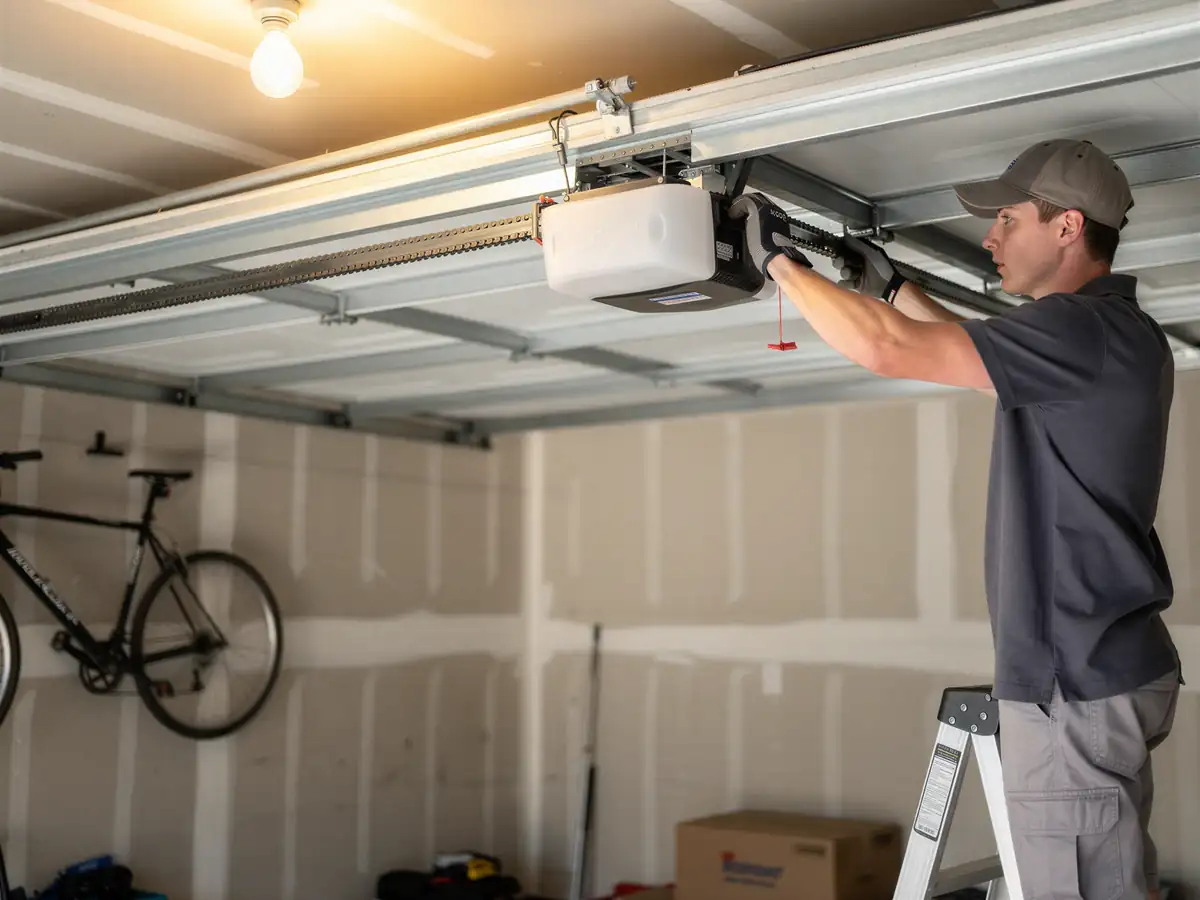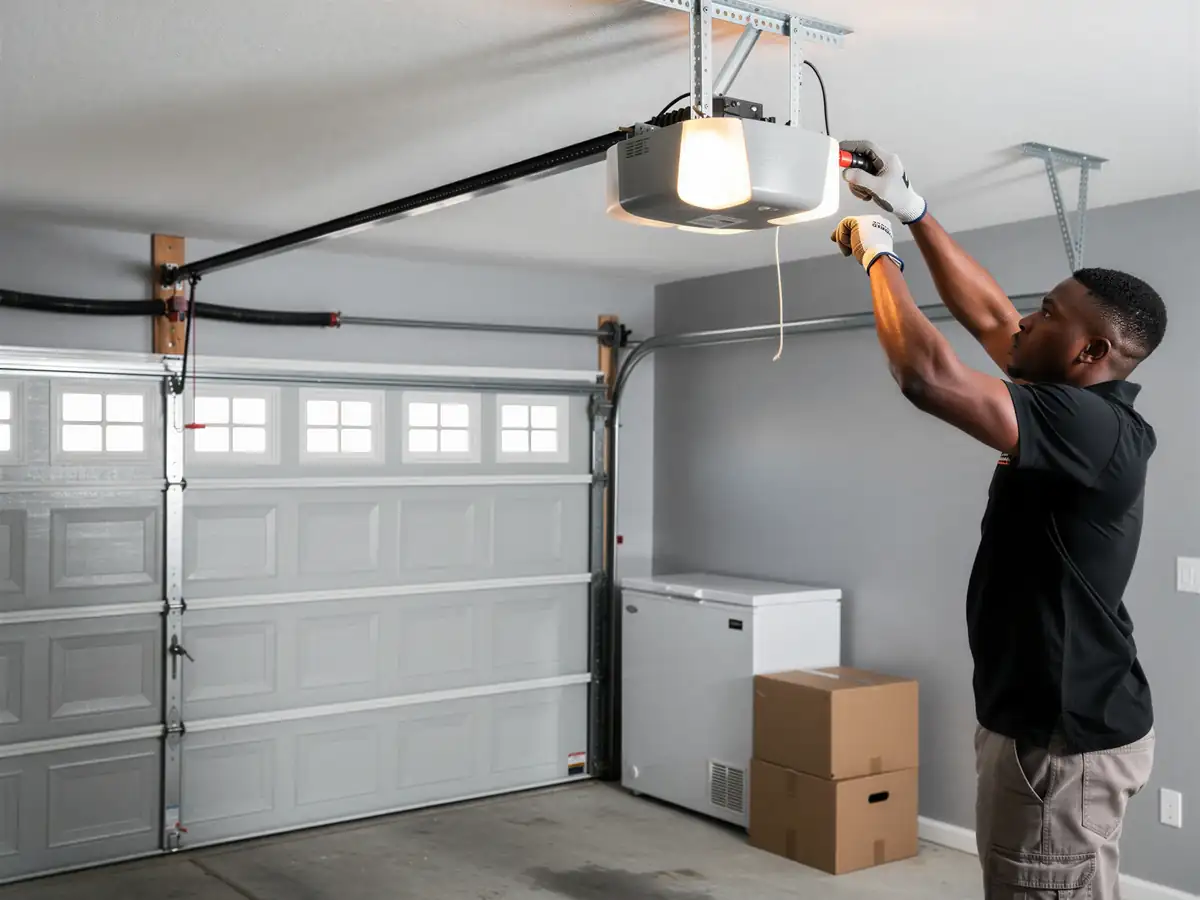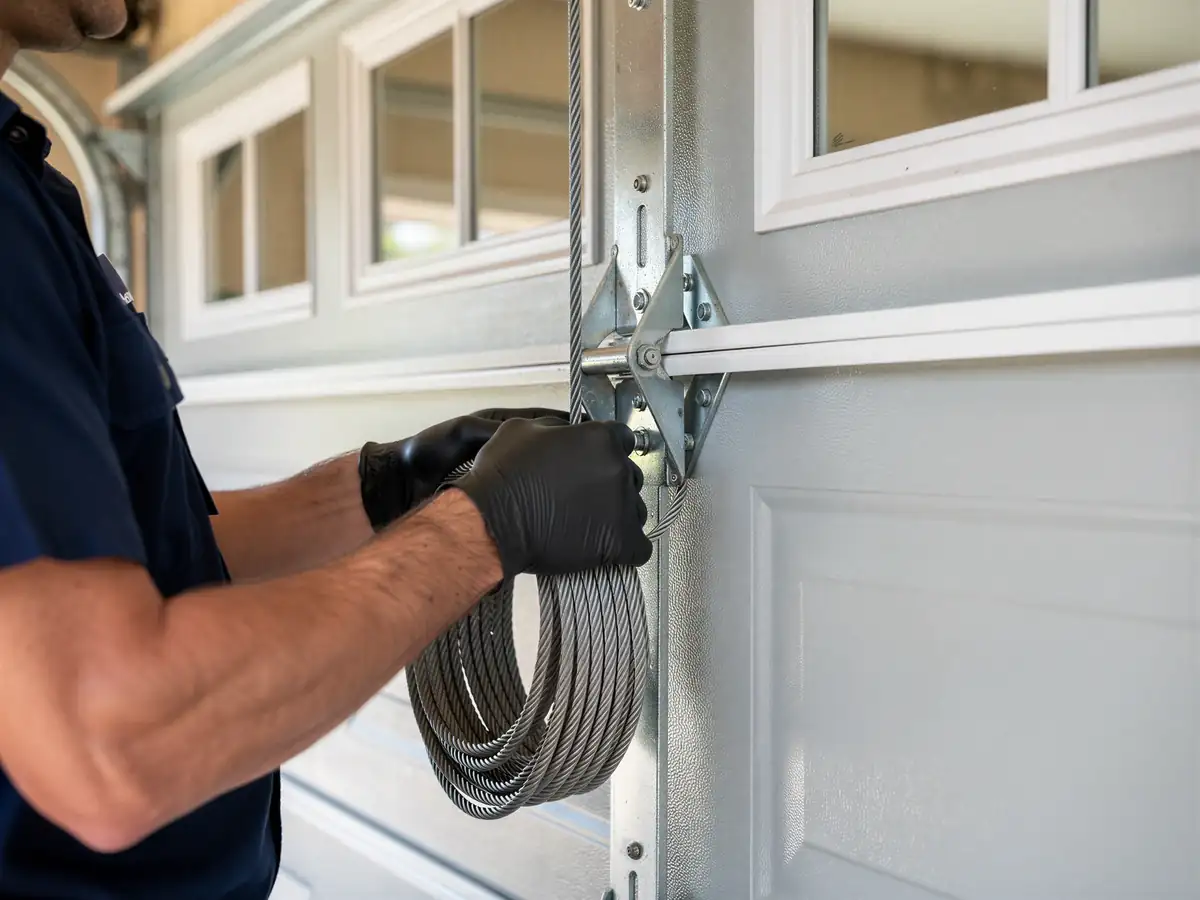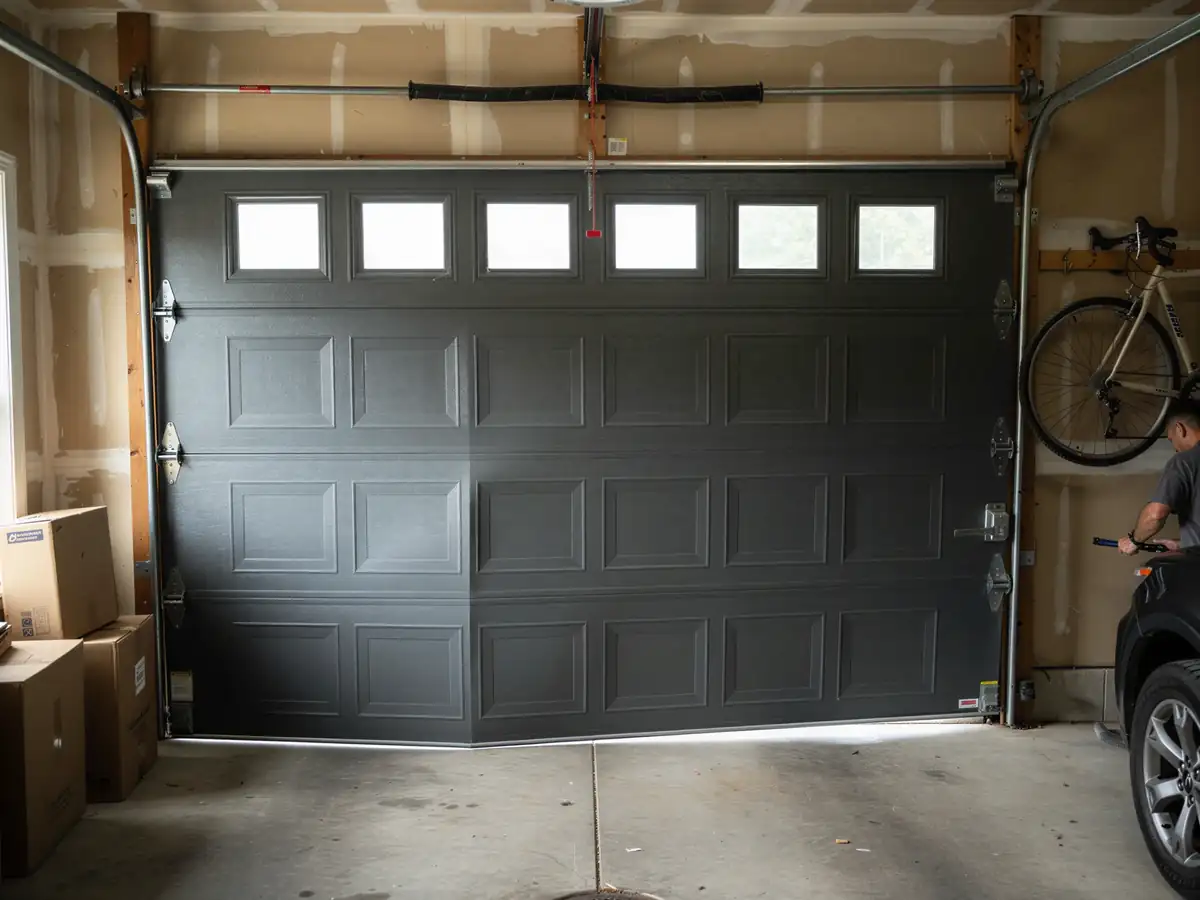
How We Fix It
A call to Euharlee starts the same way every call does
A truck leaves Cartersville and covers the eight miles out. That distance isn't a complaint, it's just part of how the job gets scheduled, and we plan the route before the tech ever knocks.
Once we're on site, the diagnosis follows the door in front of us, not a script
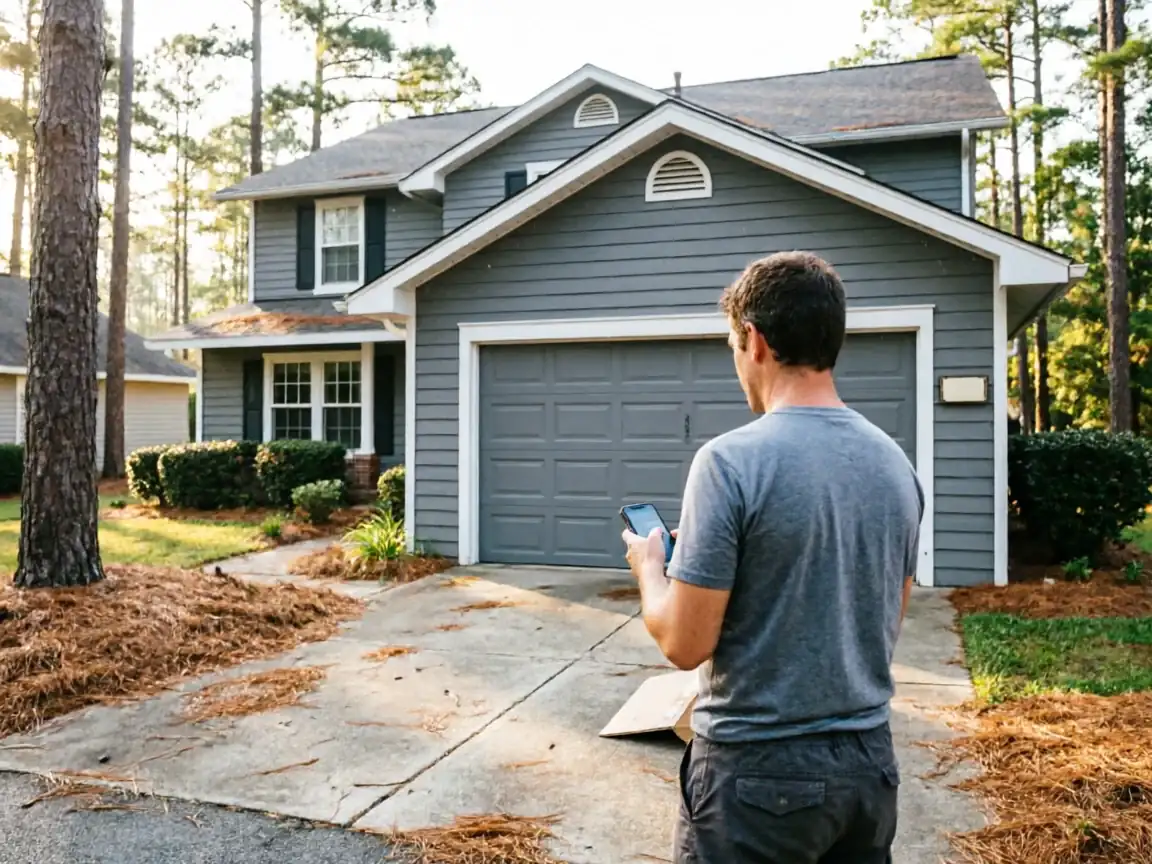
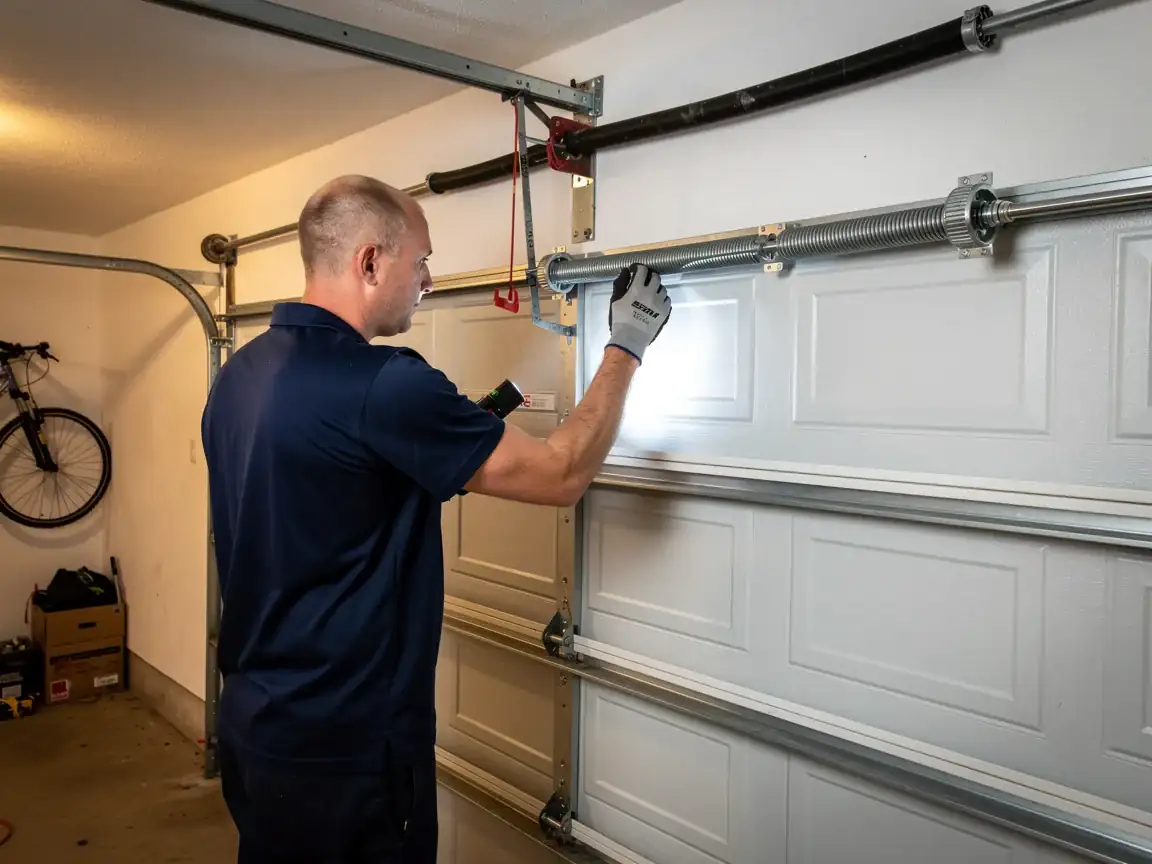
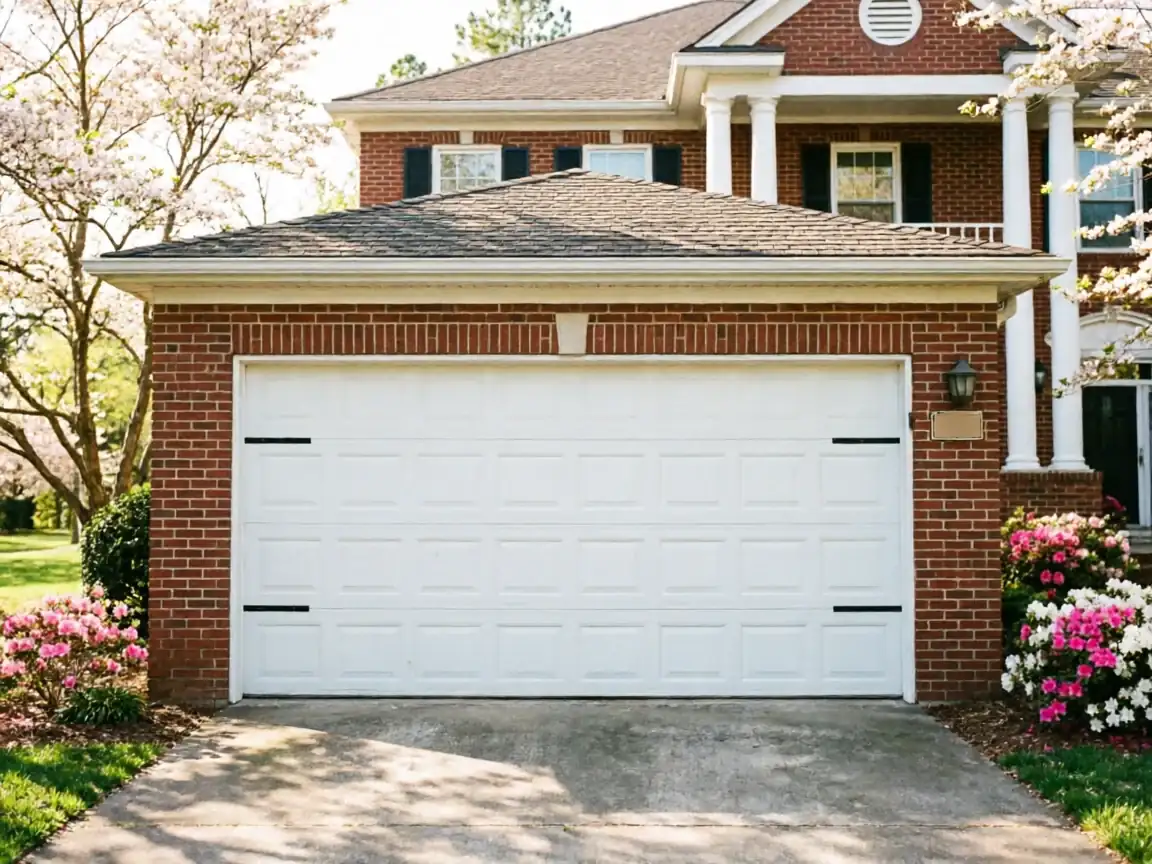
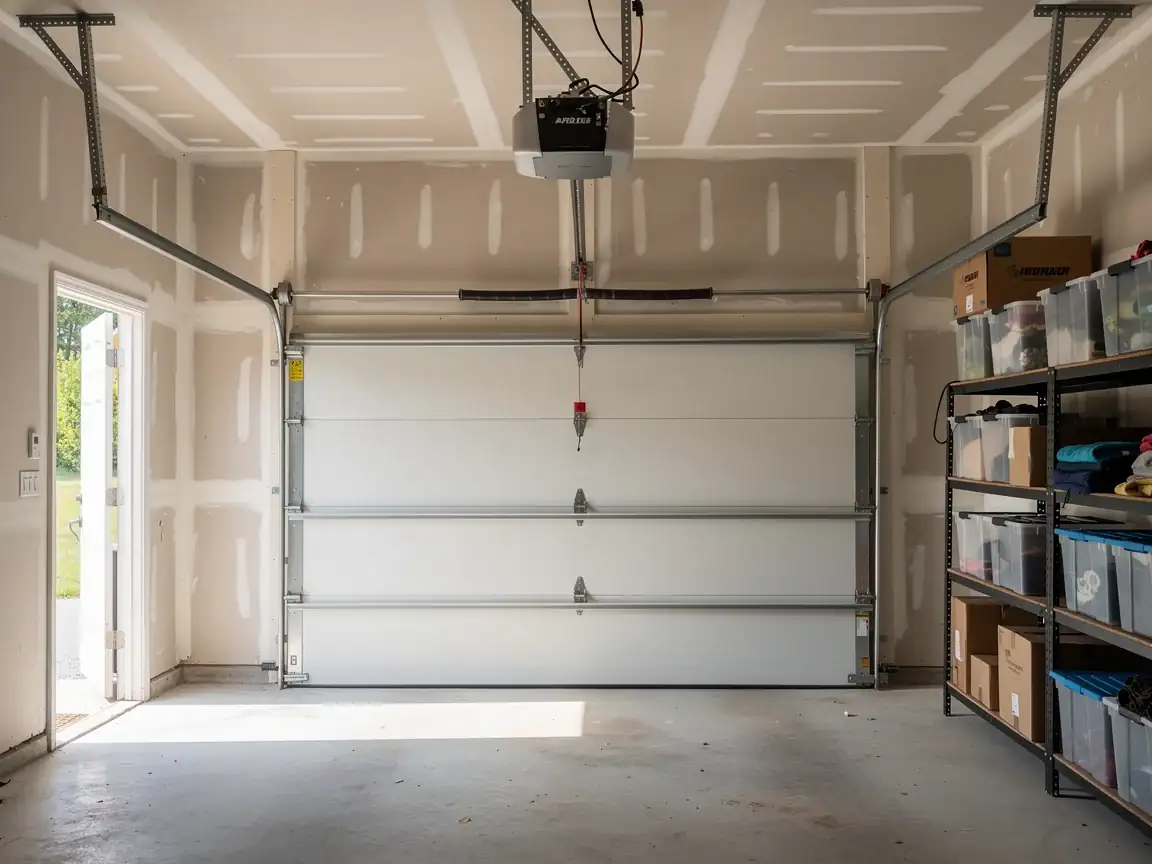
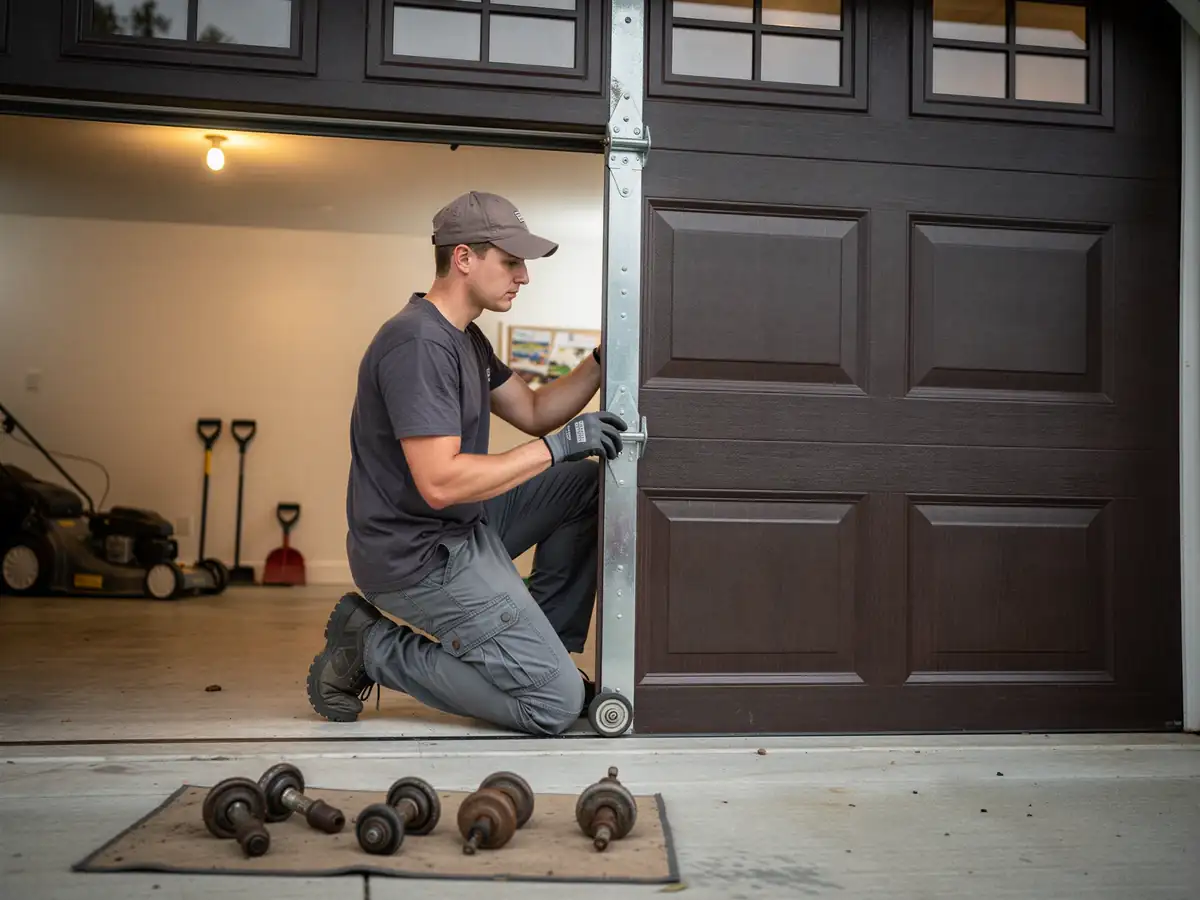
Euharlee's housing stock skews newer than a lot of what we see closer to the shop - the local median build year runs around 1996, about a decade past the 1987 median across our wider service area. That means steel doors with factory torsion springs rather than the older extension-spring setups, and openers running early logic boards instead of chain-drive units with no electronics at all. The fault pattern follows: worn torsion springs past their cycle count, opener boards that have started dropping signal, and track brackets loosening after enough winters.
We bring parts stock sized for that era
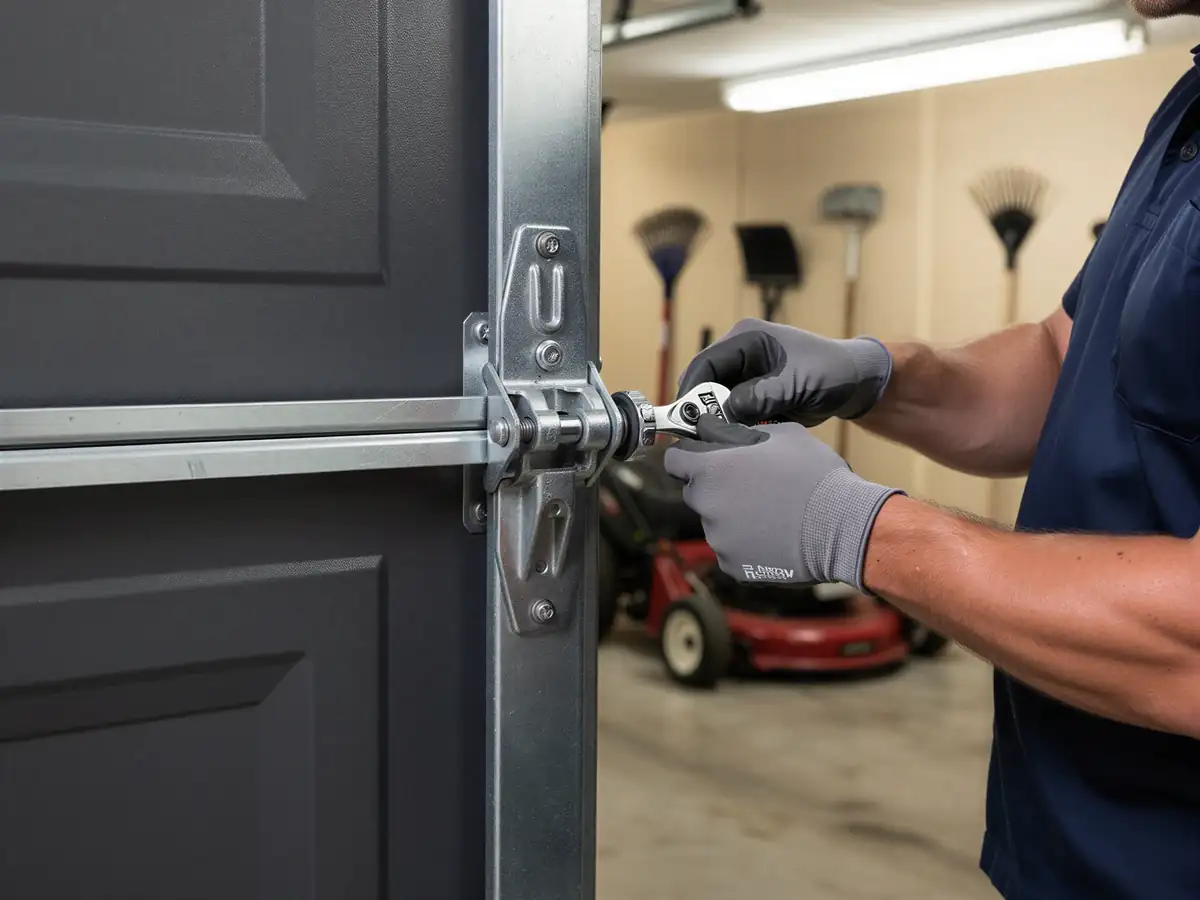
Standard torsion springs, common opener boards, galvanized track hardware. If a part turns out to be a less common size or an older opener model than expected, that can mean a second trip once it's ordered in. We'd rather tell you that up front than promise a one-visit fix we can't back.
Time on the Job
Most single-door spring jobs and standard opener swaps run the kind of visit you'd expect anywhere in our area - the work itself doesn't take longer because it's in Euharlee. What changes is the travel built around it. At eight miles from Cartersville, we don't quote the tight same-hour arrival we might offer on a call a couple of minutes from the shop; we build the drive into the window we give you when we book the appointment.
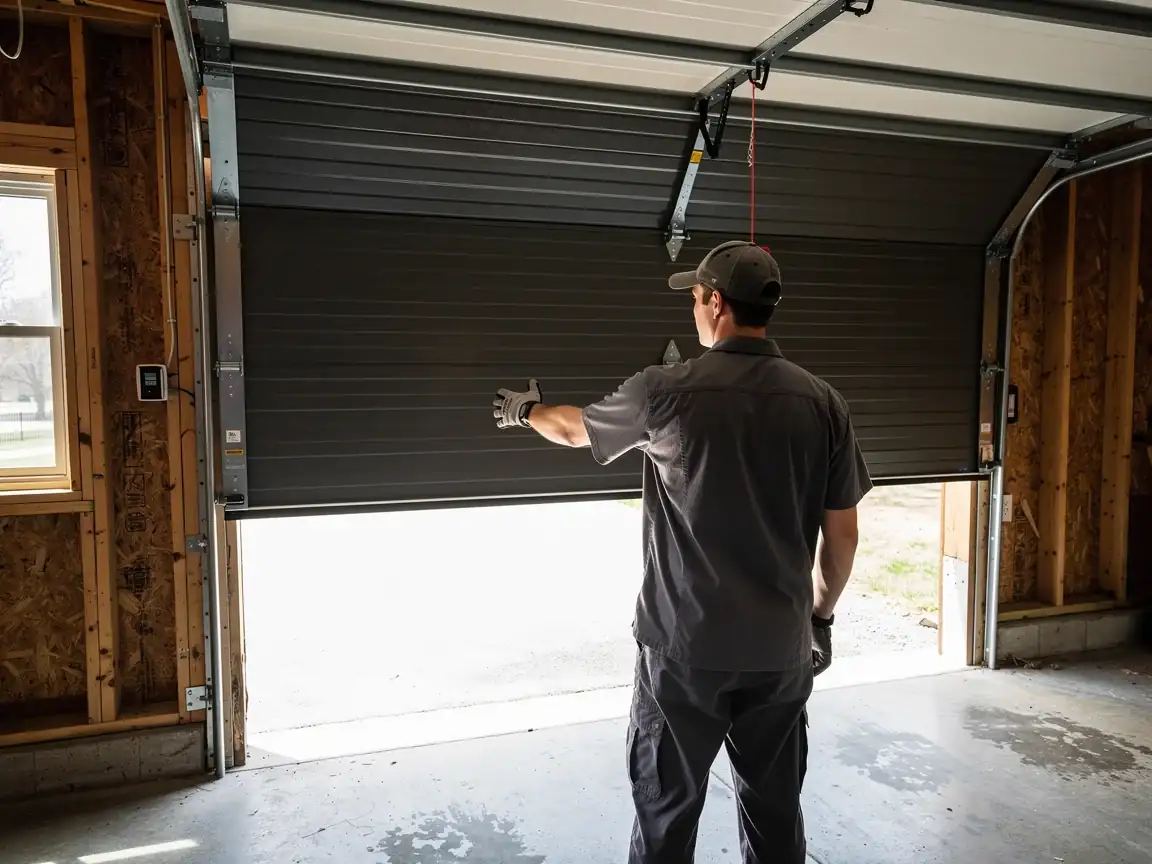
Once the tech is actually at the door, time on the job depends on what's wrong more than where the house sits. A torsion spring replacement on a double door usually eats up a chunk of the visit on its own, since it means unloading the old spring safely before anything else happens. An opener board swap is faster once the model is confirmed, but confirming it sometimes means a look at the unit before we know for certain what's needed. We'd rather take the extra few minutes to get that right than guess and come back.
Why It Happens Here
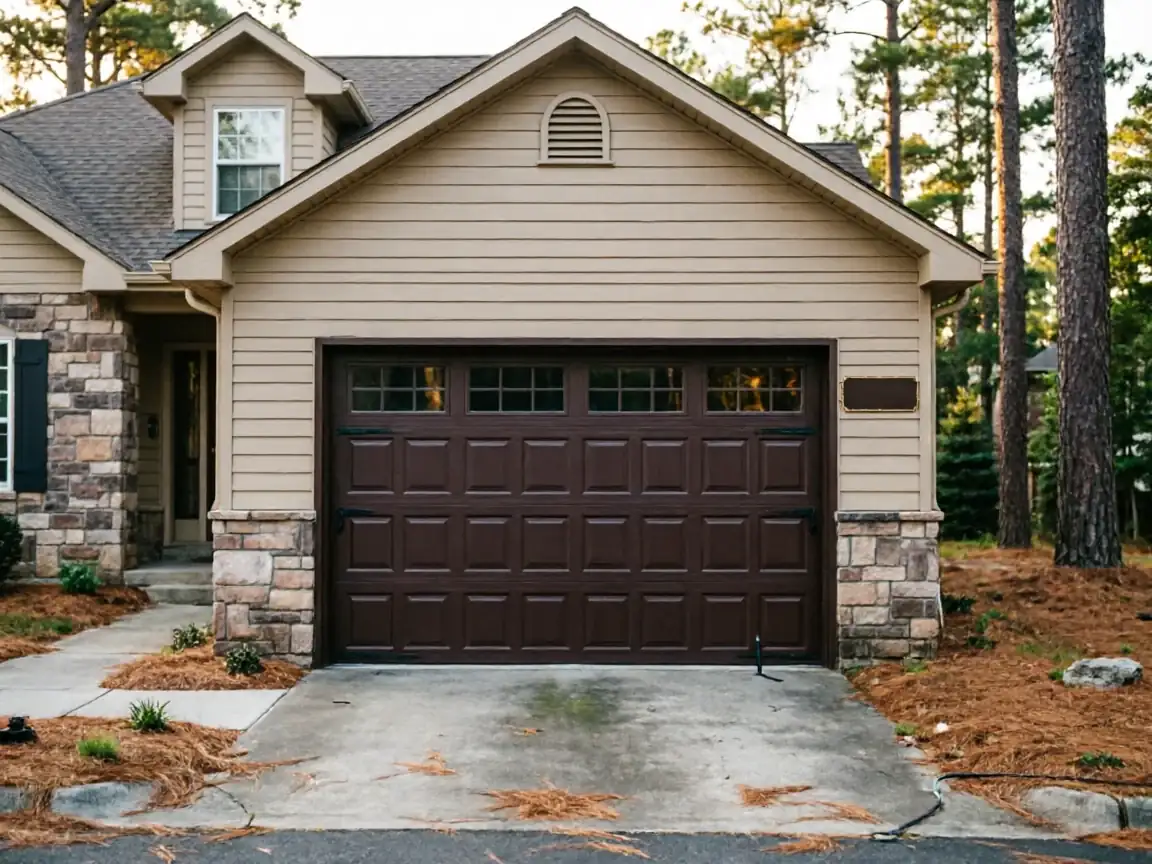
Euharlee's housing didn't go up all at once, but a good share of it clusters in the 1990s, newer than the 1987 median across our whole coverage area and closer to the newer end of the 1980s-90s stock we see across most of the nine areas we run. That matters for the kind of failures we find: doors from this window are steel, not the older wood-panel builds, and they came with torsion spring systems from the factory rather than retrofits.
The climate here is cold-moderate, and that plays out the same way it does across the rest of our territory - nylon rollers stiffen and crack in winter cold, galvanized track picks up surface rust where moisture sits after a freeze-thaw cycle, and spring steel fatigues faster through repeated temperature swings than it would somewhere milder. None of that is unique to one street; it's what a door built in the mid-90s and run through thirty-some winters looks like by now.
With only 1,336 households in Euharlee - a smaller pocket than most of what we cover, against roughly 14,336 households and 8,765 owner-occupied houses across the full service area - the housing here reads as one consistent generation rather than a mix of decades.
What It Costs
We don't have a flat number to hand you here
And we're not going to invent one just to fill the page. What a job costs depends on the part, the door, and what the tech finds once the panel's off, and that holds true whether the house is newer or older than the area average.
What we can say is that Euharlee's housing stock
Being newer than most of the area, tends to need fewer of the full-replacement jobs we see on original doors from the 1960s and 70s elsewhere in our coverage. A torsion spring or an opener board swap on a 1990s-built door is usually a repair, not a teardown. Median household income here runs $83,750, above the $76,424 average across our wider service area, though that number tells you about the neighborhood, not about what any specific repair runs - we quote the job itself, in person, once we've seen the door.
Doing It Yourself
A torsion spring under tension can put someone in the hospital, and that's true on a door built in 1996 just as much as one from any other decade - we won't walk through how to release one here, because that's not a job to learn from a page. Rollers, hinges, and weatherstripping are a different story; those you can usually handle yourself with basic tools, and a lot of Euharlee homeowners do.
Opener boards are the one place where the newer housing stock here actually makes DIY harder, not easier. A 1990s opener often runs an early circuit board rather than a simple mechanical switch, and swapping the wrong board - or wiring one in backward - can fry the unit entirely. If your opener's dropping signal or cycling on its own, that's worth a call before you start ordering parts off a guess.
Getting It Booked In
If you're in Euharlee and a spring's gone, a door won't close, or the opener's started acting up, the fastest way to get a tech out is to book through our Euharlee service page, which routes the call straight to the Cartersville schedule for the eight-mile run out.
For anything beyond a single repair - a full install, or a look at what else we handle across the area - our main garage door service page covers the full range of what we do out of the shop.