Why It Happens Here
Holly Springs is a smaller pocket of the territory we cover out of Cartersville
With roughly 6,189 households spread through it, 18 miles out. That size matters because it means we're not running a dozen trucks through here a day. The calls we get tend to cluster around a narrower slice of problems, because the housing stock itself is narrower than what you'd find closer to Cartersville.
- 6,189 households
- 18 miles
The median year built here lands around 2007
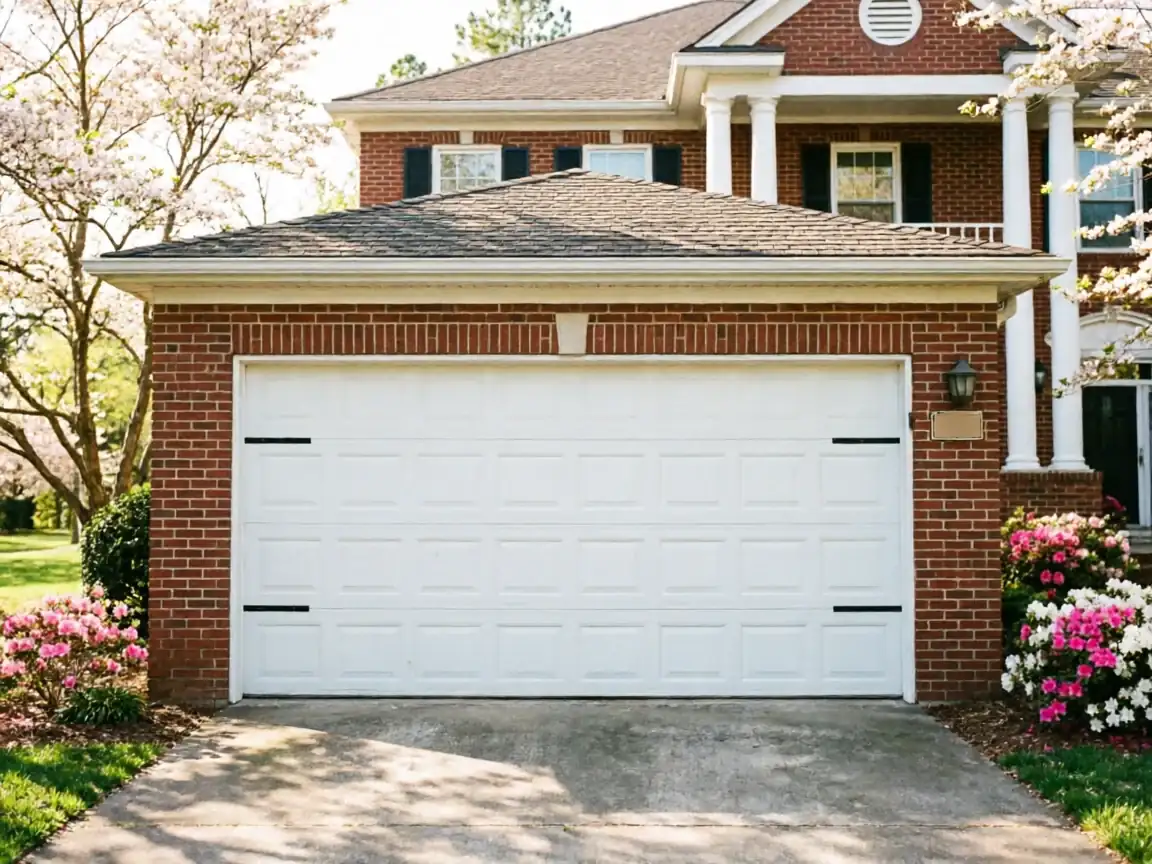
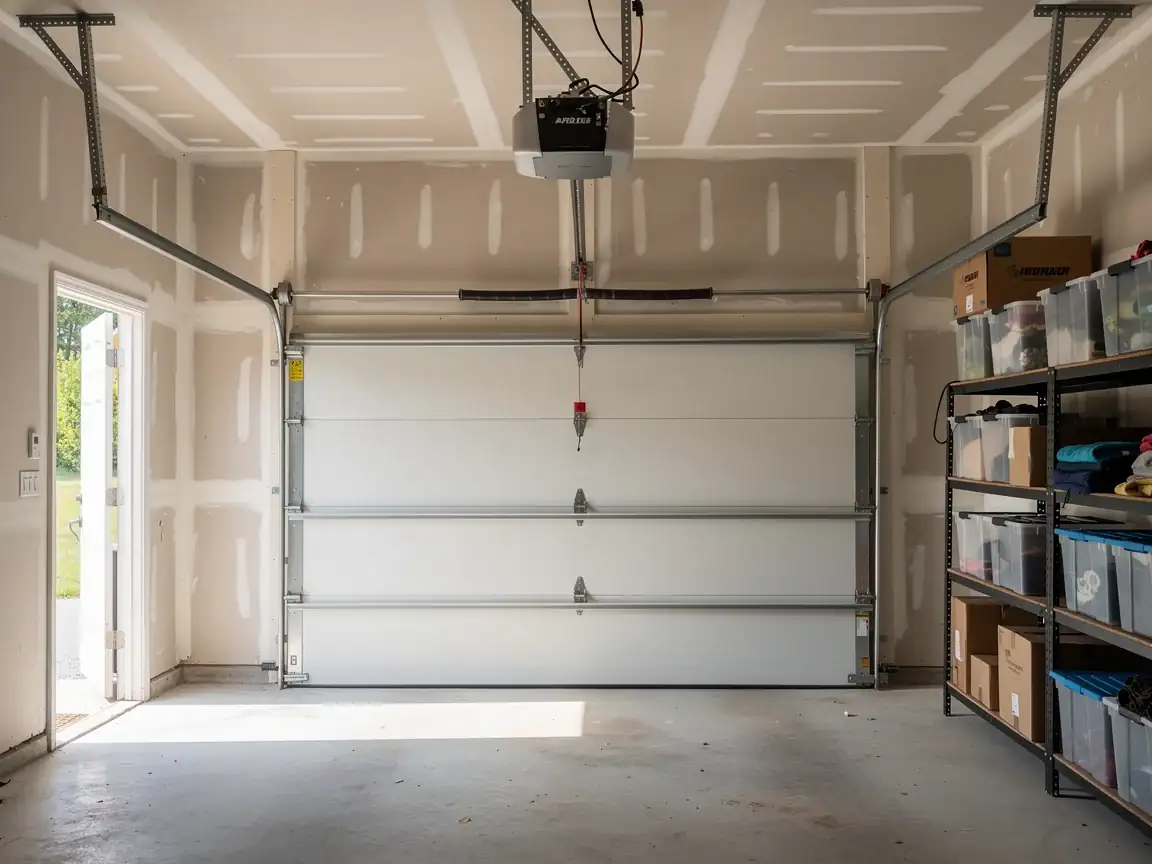
Well past the 1964-2007 range that covers the wider service area. That means most garage doors in Holly Springs are not the old one-piece wood slabs or early torsion setups you find on 1980s stock elsewhere. They're later steel sectional doors with factory-set torsion springs and openers that came with circuit boards already built in, not add-on safety sensors bolted on after the fact.
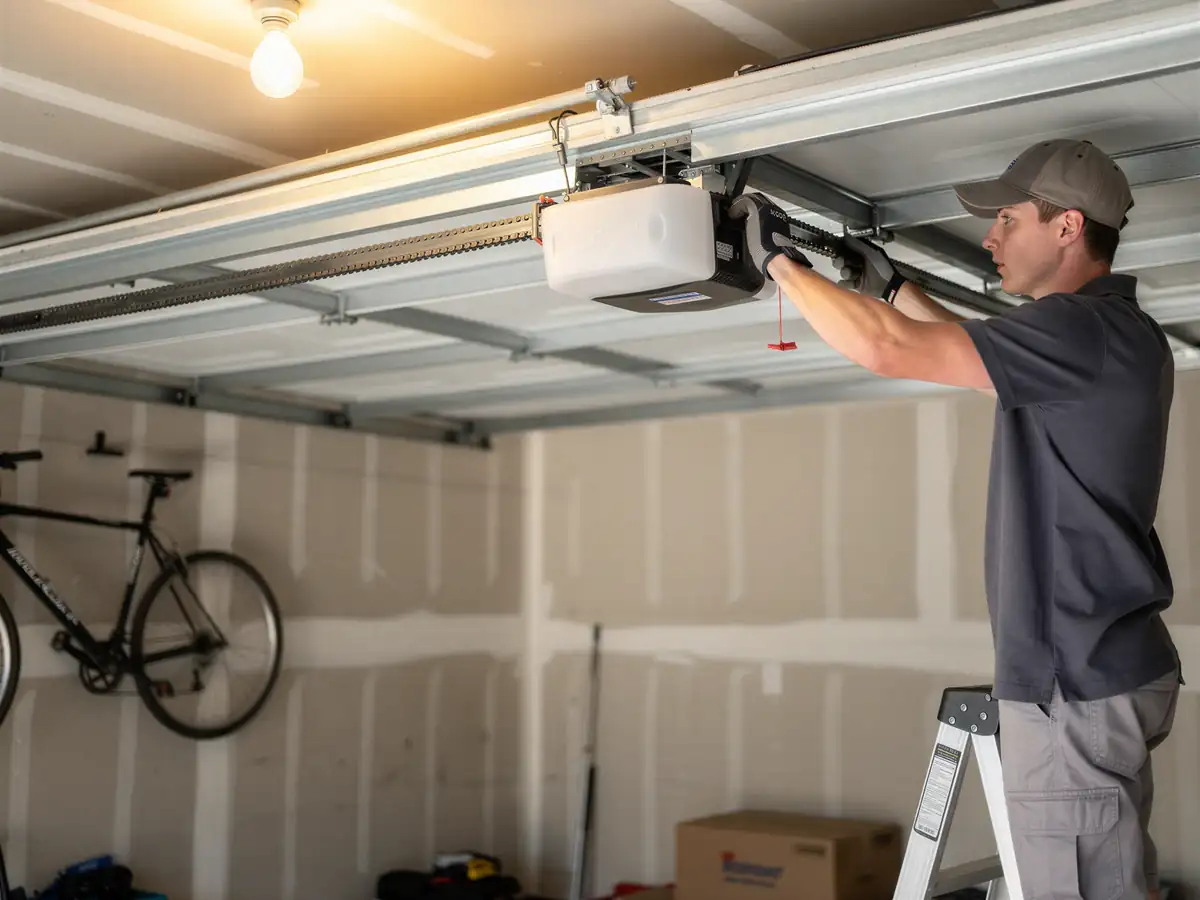
What fails on a door this age is usually the opener logic board, a worn drive belt or chain
Or a sensor that's drifted out of alignment rather than a cable snapping from decades of rust. The springs are newer too, so when one goes, it's often a manufacturing defect or a door that's been run hard, not metal fatigue from 30 years of cold mornings.
- 30 years
How We Fix It
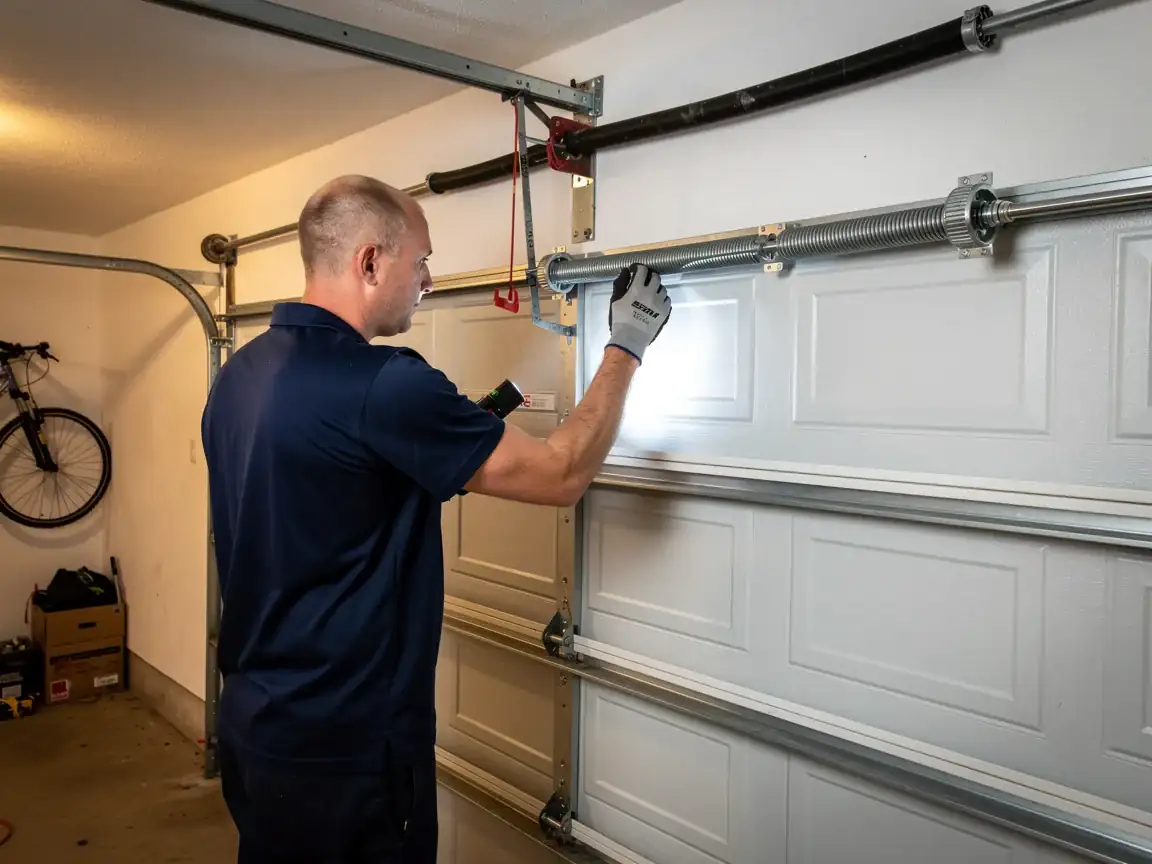
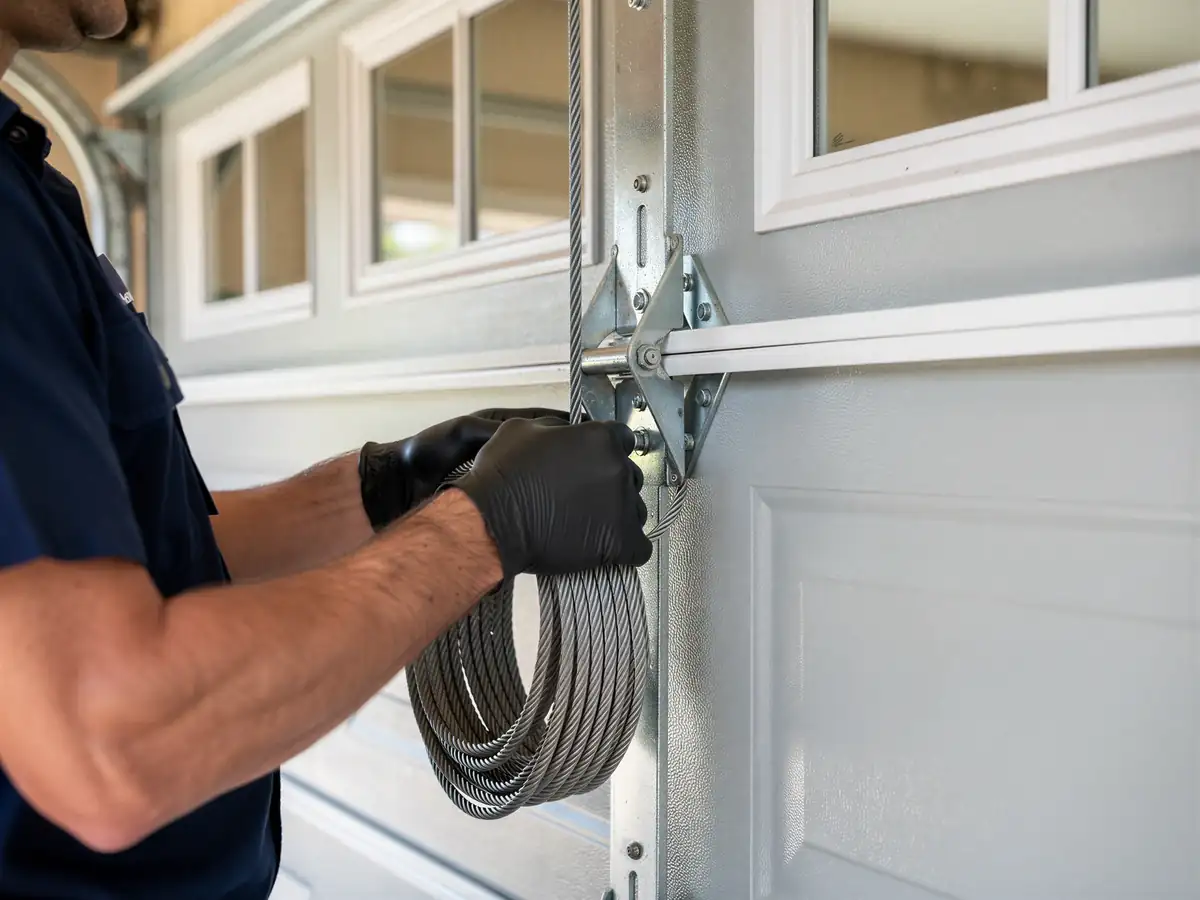
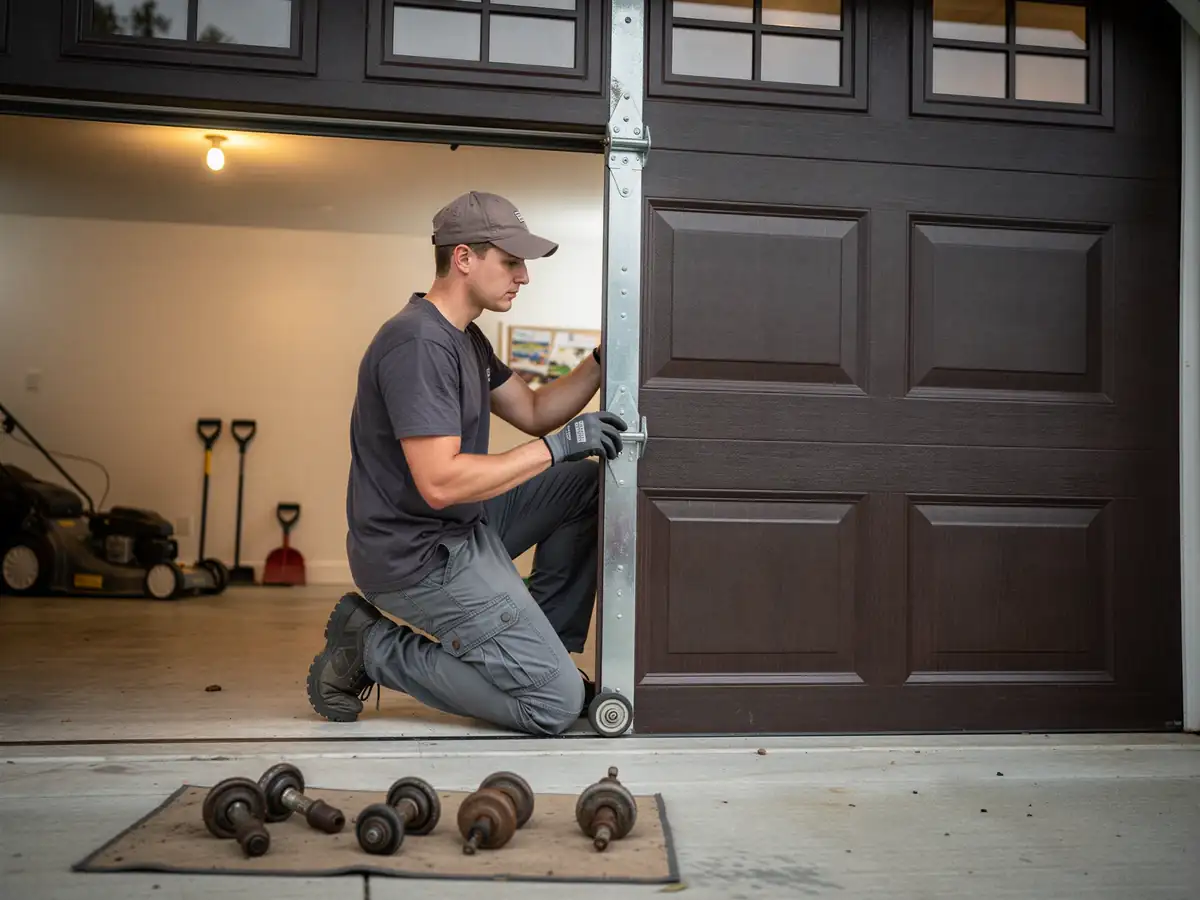
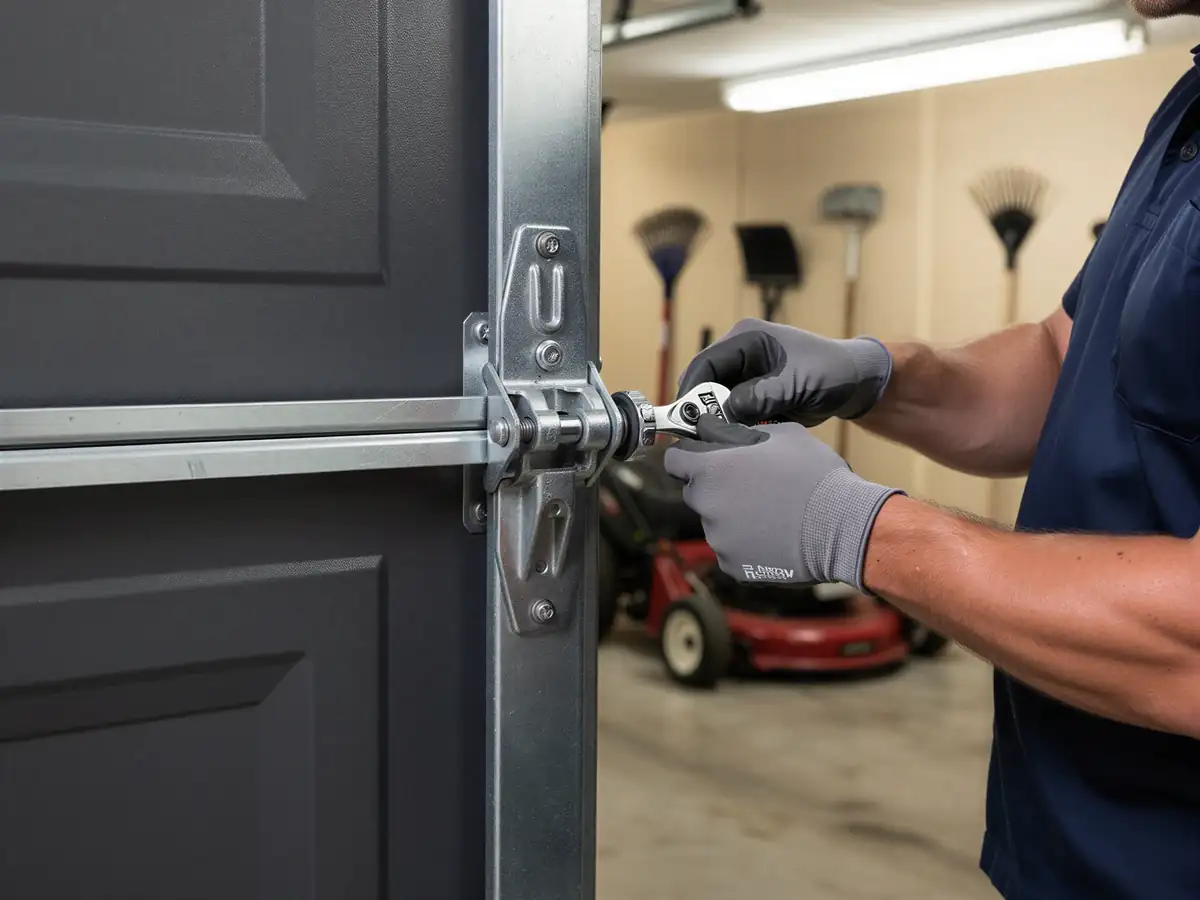
On a door built around 2007, we're usually working with a torsion spring system that's still within its expected service window, so the fix is often the spring itself, a cable, or a roller, not a full hardware swap. We check the opener's circuit board and travel settings first, since on houses this age a lot of "the door won't close" calls trace back to a misaligned photo-eye sensor or a worn limit switch rather than anything structural.
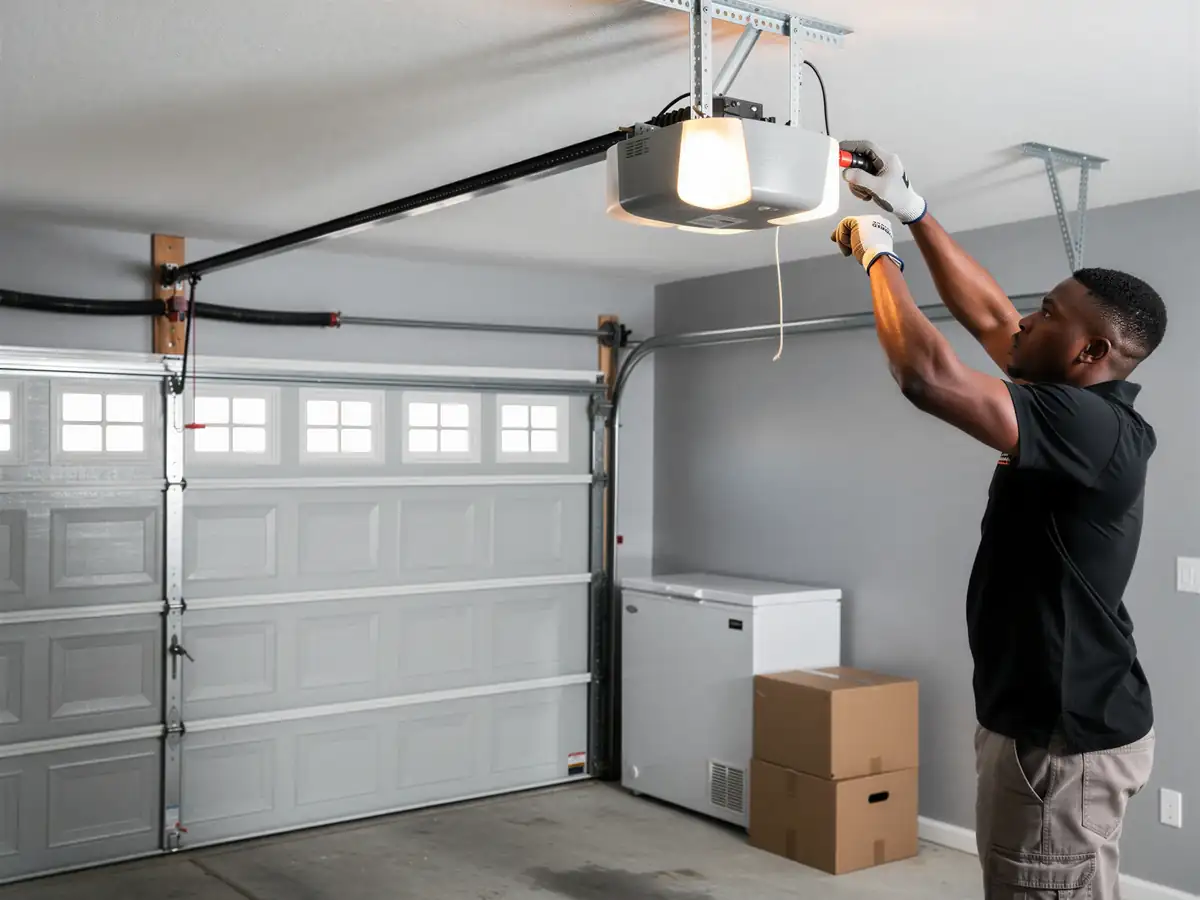
We carry torsion springs sized for standard steel sectional doors, since that's the dominant door type on stock from this era. If the opener itself has failed outright, we'll tell you straight whether it's worth repairing the board or replacing the unit; on a 15-to-20-year-old opener, parts availability starts to get thin, and that's a call we make with you, not around you.
We don't stock every obscure opener model built in the mid-2000s, since manufacturers shifted logic boards and remote frequencies more than once in that window. If yours is one of the less common ones, we'll tell you on-site whether we can source the part or whether a straight opener swap makes more sense than chasing a discontinued board.
Time on the Job
Most spring and cable jobs on a standard steel door run under two hours once the truck's on site, since the hardware on homes built around 2007 is generally standard-size and in reasonably good shape structurally. Opener board or sensor diagnostics add time, because we're testing wiring and alignment rather than just swapping a part.
We travel 18 miles out from Cartersville to reach Holly Springs, so factor that into when you can expect us, not how long the repair itself takes once we're there. A full opener replacement, including removing the old unit and setting travel limits on the new one, is a longer job than a spring swap but still typically wraps same visit.
What stretches a job past one visit is a part we don't carry on the truck - a specific logic board for an older opener model, for instance. We'll tell you at diagnosis if that's the case rather than let you assume we're still working on it.
What It Costs
We don't publish flat prices here because the job varies with what's actually broken
A sensor realignment costs a fraction of a torsion spring replacement, and a full opener swap is its own number again. What we can tell you is that houses in this part of the service area carry a median household income noticeably higher than the broader Cartersville area, and we price the job the same regardless - the part and the labor, not the zip code.
We'll give you a number before we start, not after
If a repair is going to cost close to what a new opener runs, we'll say so plainly instead of nickel-and-diming an old board back to life for a few more months.
The honest limitation here
We don't do financing or offer promotional installs, and we're not the cheapest call you'll get if you're just price-shopping over the phone. We're giving you a number based on what we see on your door, not a quote sight unseen.
The Complications
The cold moderate climate this region sits in isn't severe, but it still puts enough seasonal temperature swing on steel panels and torsion springs that metal contracts and expands over the years - less of a factor on a door built in 2007 than on 1980s stock, but it still shows up eventually in stiffer spring tension on the coldest mornings.
One real wrinkle in a smaller service pocket like Holly Springs: fewer total households means fewer repeat jobs on any one specific opener model, so if your garage door was installed by a builder using a less common brand, we may need to order a part rather than pull it off the truck. We'll tell you that at diagnosis, not after we've already started.
We also won't pretend every opener issue is a quick fix. If a logic board is fried on a model that's hard to source, replacing the whole unit is usually the honest answer, not chasing down an obsolete part for a repair that costs nearly as much anyway.
What You Are Seeing
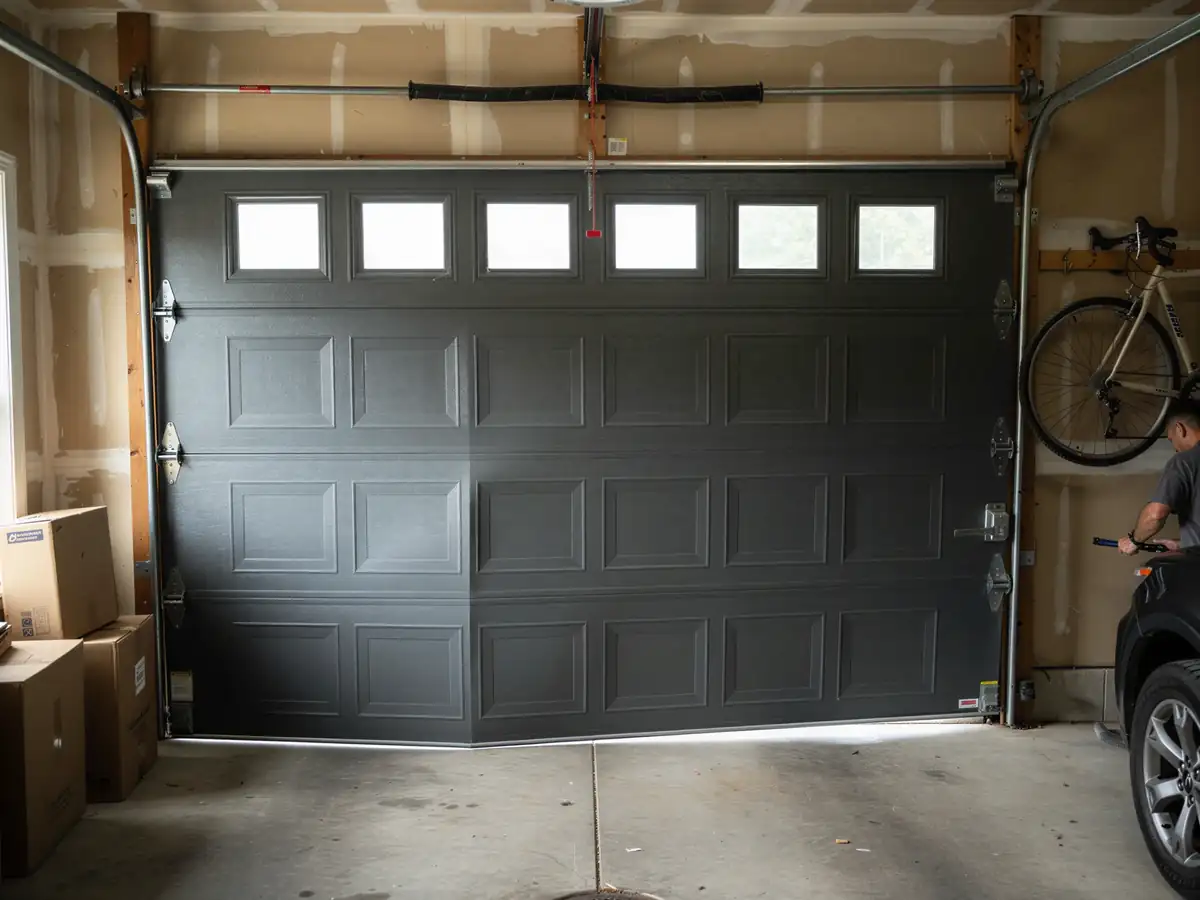
If your door is a steel sectional unit that hangs up partway, reverses before it touches the floor, or the opener light blinks without the door moving, that points to a sensor or limit switch issue common on homes built around the mid-2000s, not a cable or spring problem.
A door that's noticeably heavier to lift by hand, or that slams the last foot instead of settling, usually means the torsion spring has lost tension - still less common on newer stock, but it happens, especially if the door's been cycled hard for over a decade.
Grinding or a loud bang followed by the door refusing to move at all is almost always a broken spring, and on a door this age it's worth having it looked at rather than forcing the opener to push through it, which can strip the drive gear.