Why It Happens Here
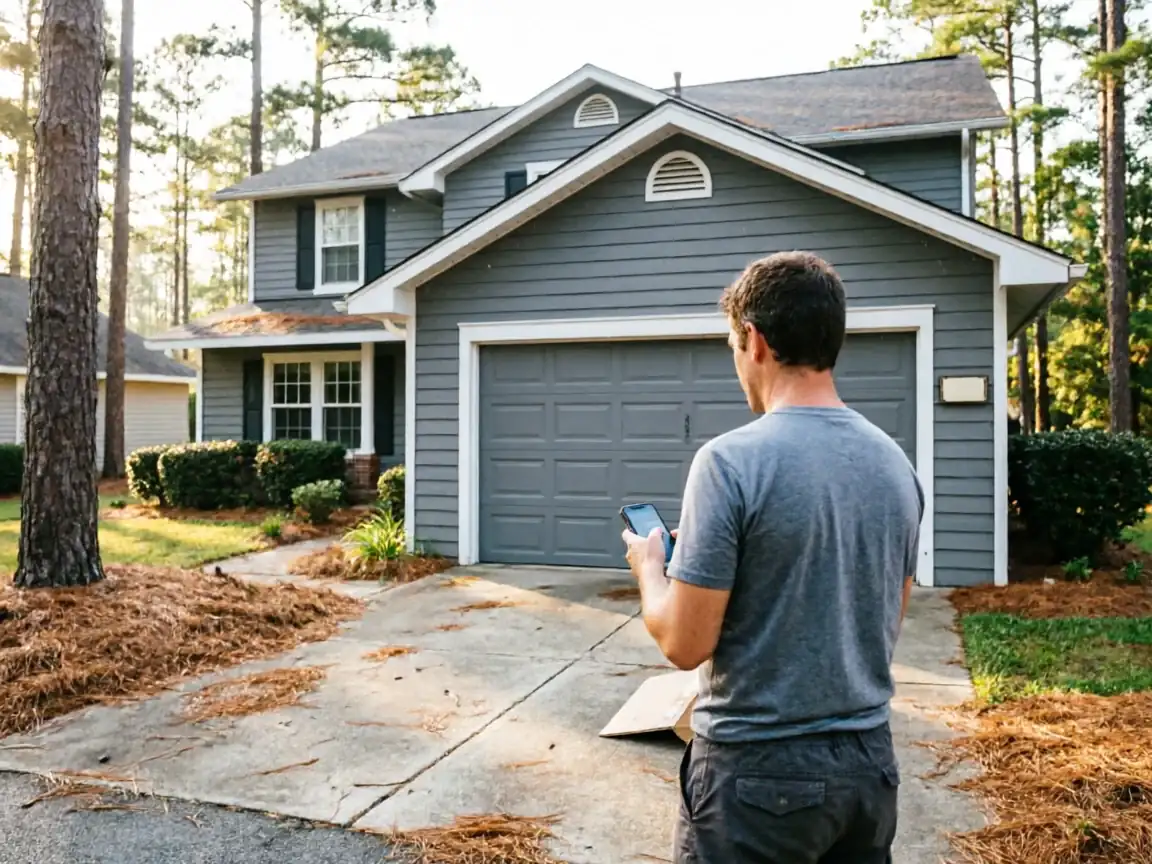
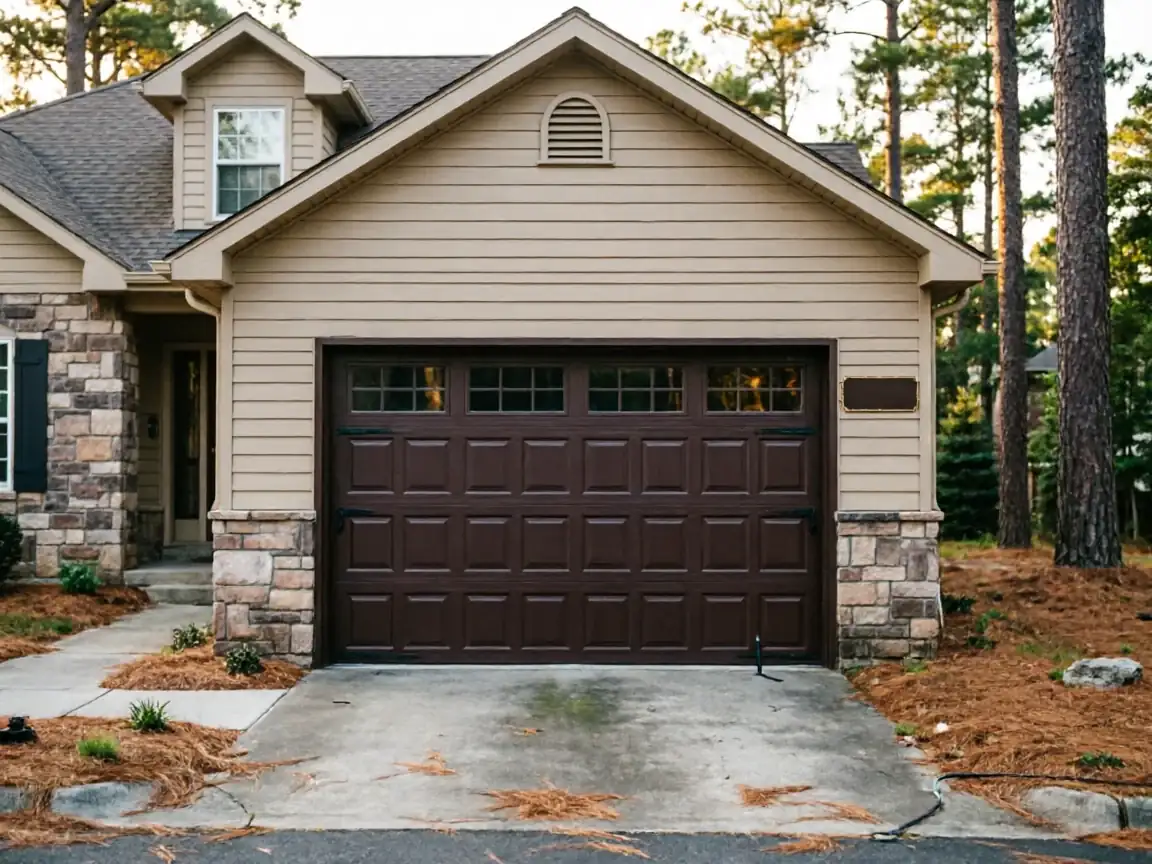
Most houses in this part of Holly Springs went up around 2007
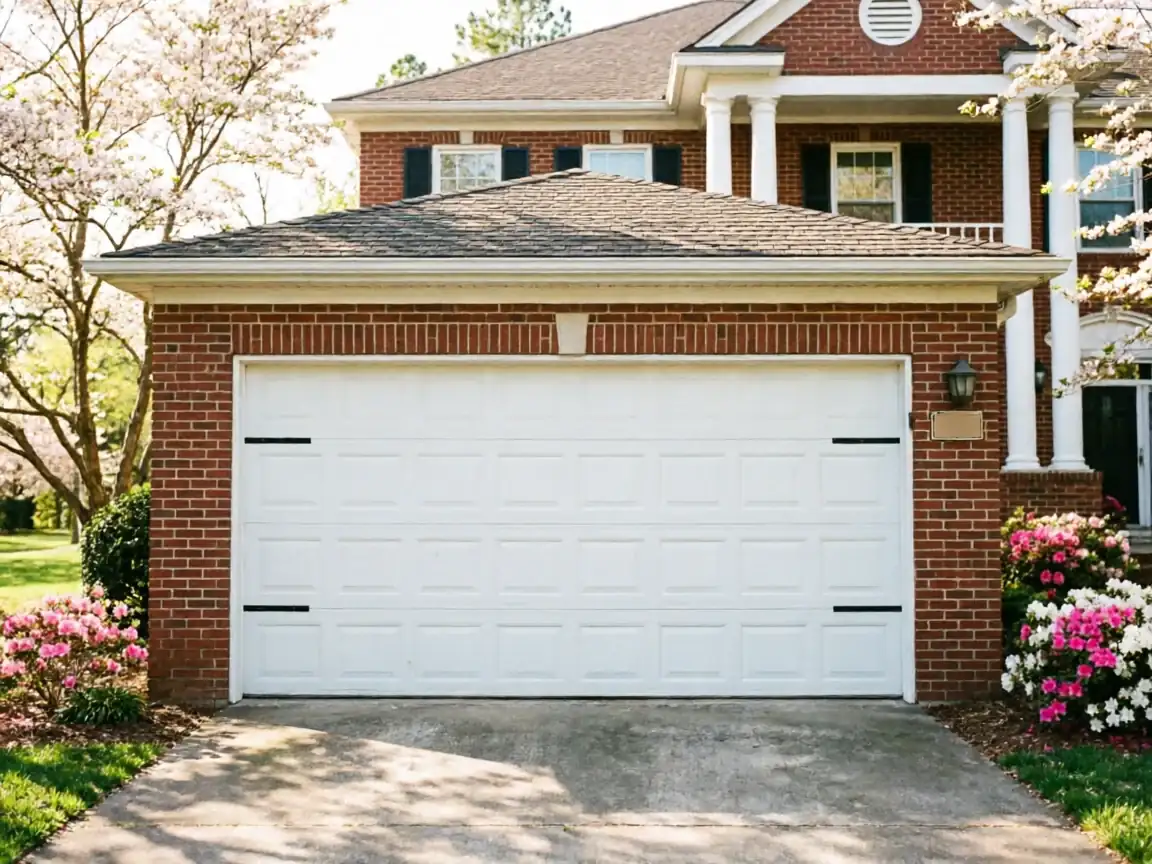
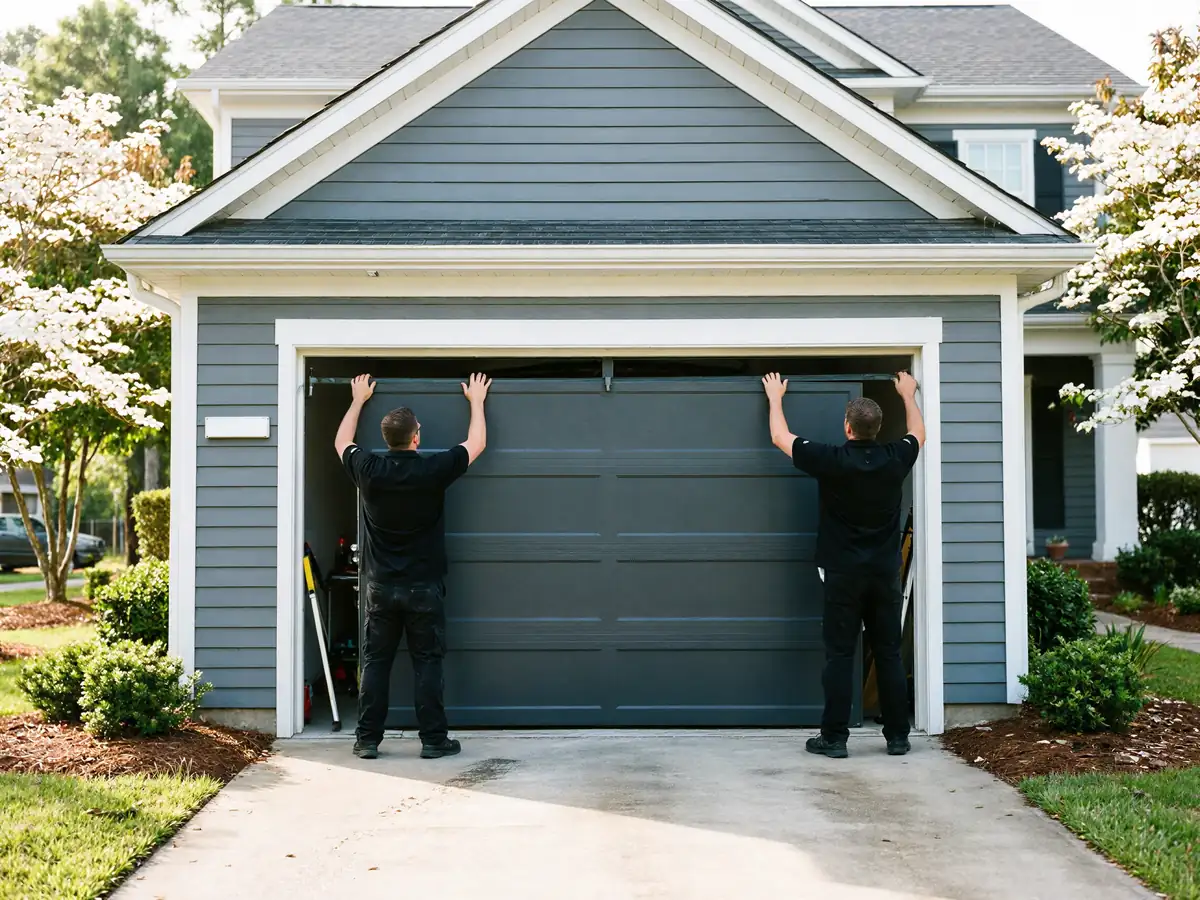
Which puts them well past the era of narrow single doors and into the run of wide double-car openings - 16 feet across is common, sometimes two separate 9-footers side by side. That width matters for an opener. A builder-grade unit sized for a single door, or a chain-drive unit rated light-duty, gets asked to lift more steel and insulation than it was built for, and the motor burns out years before it should.
- 16 feet
The openers that shipped with these houses are now 15-18 years old
That's past the working life of most circuit boards and drive gears, even on units that never had a hardware problem. We see the symptom as a door that reverses on its own, or a remote that works some mornings and not others - that's the logic board failing, not the door.
- 18 years
Holly Springs sits in a cold-moderate climate band, same as the rest of this service area
So insulated doors are standard here, not an upgrade. A new opener has to be rated to lift that extra weight without straining, which is a different spec than what came stock in 2007.
How We Fix It
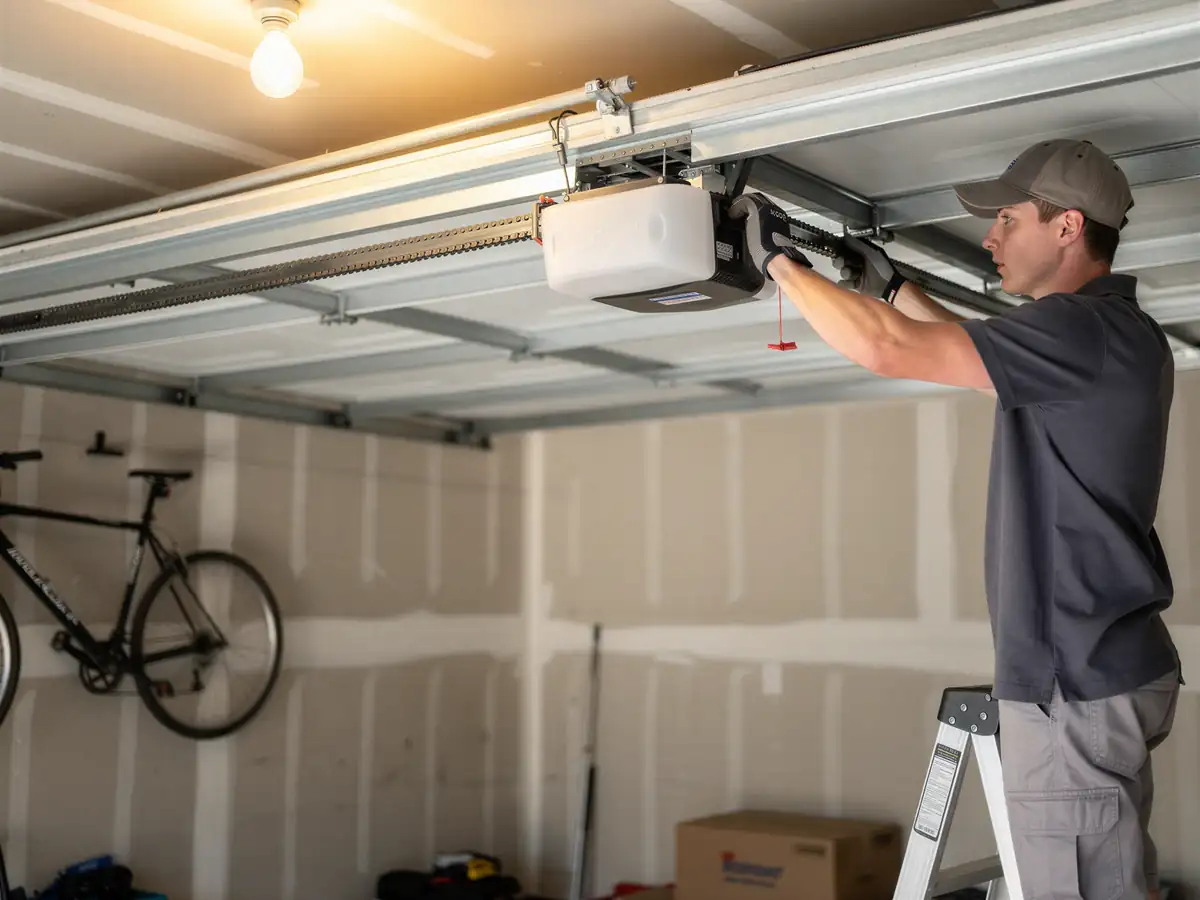
We size the opener to the door you have now, not the one the house came with. If your original door's been swapped for a heavier insulated model at some point - common on these newer builds - the opener needs matching horsepower and a lift system that can handle it without grinding the gears down early.
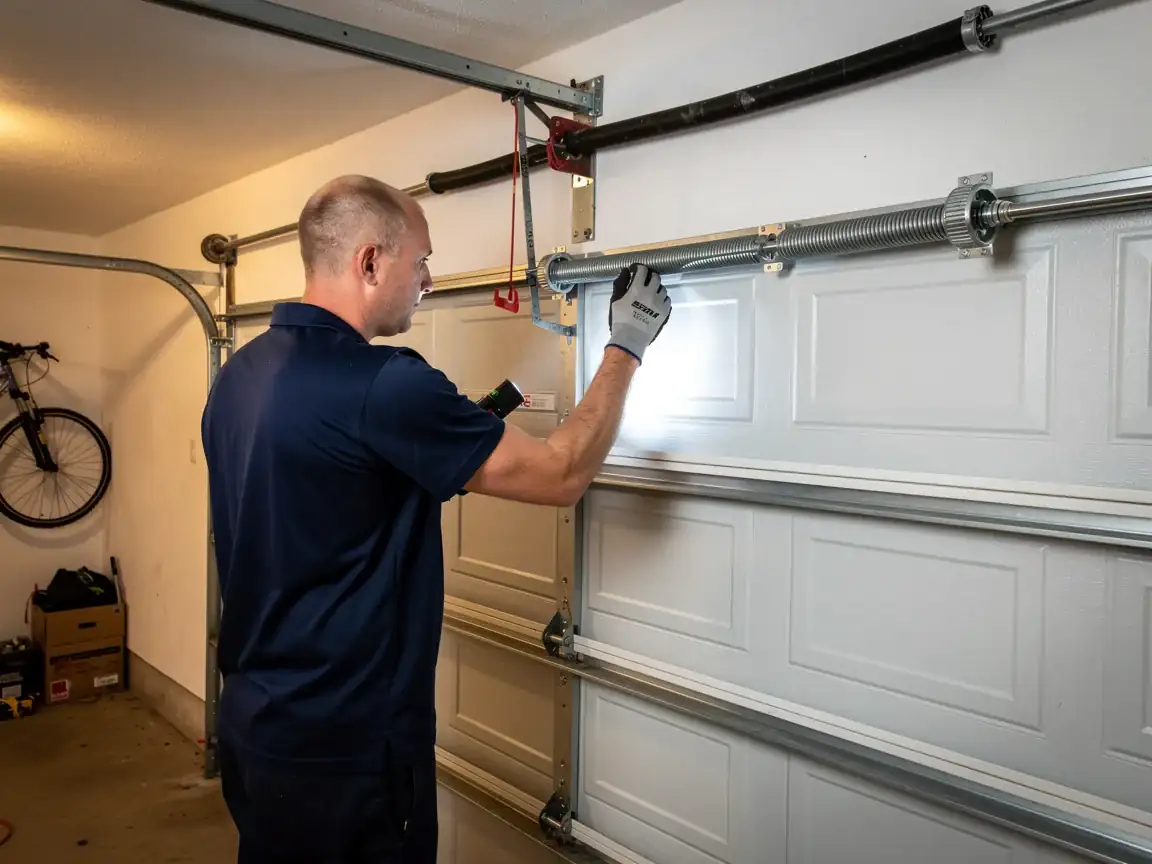
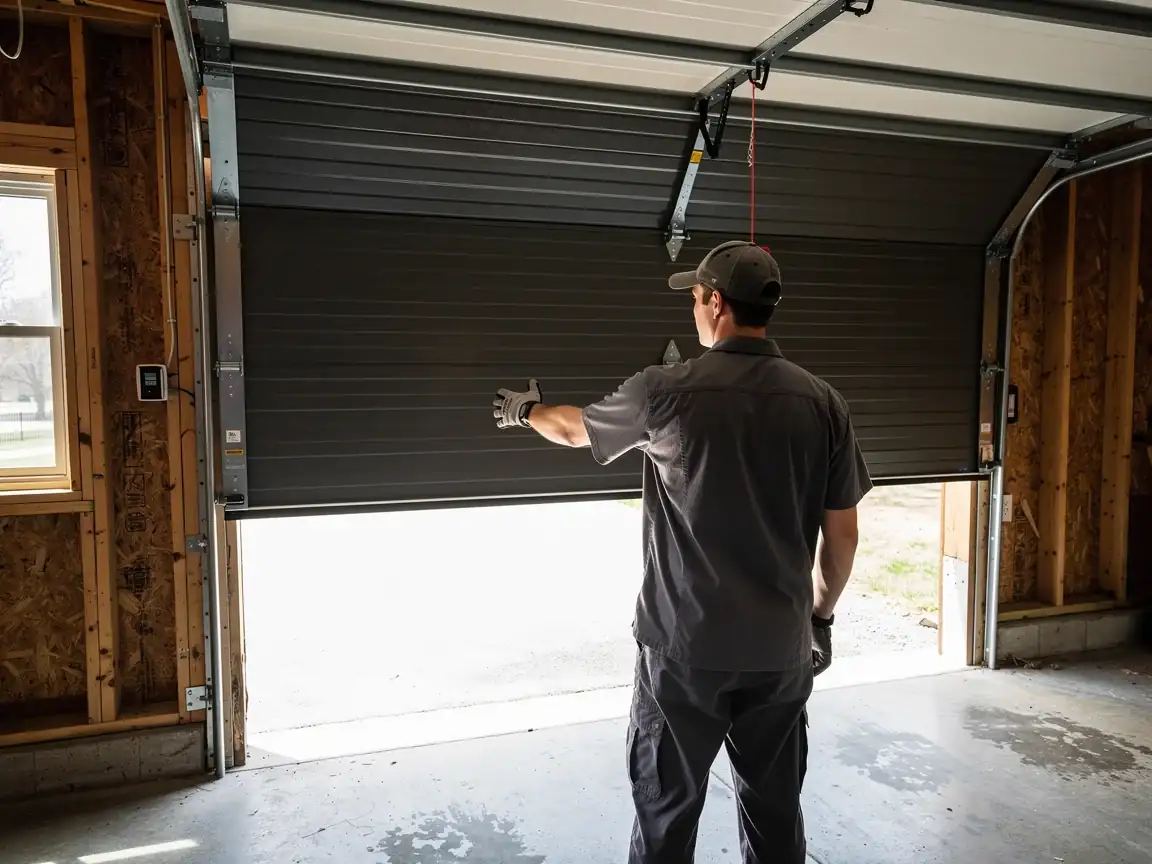
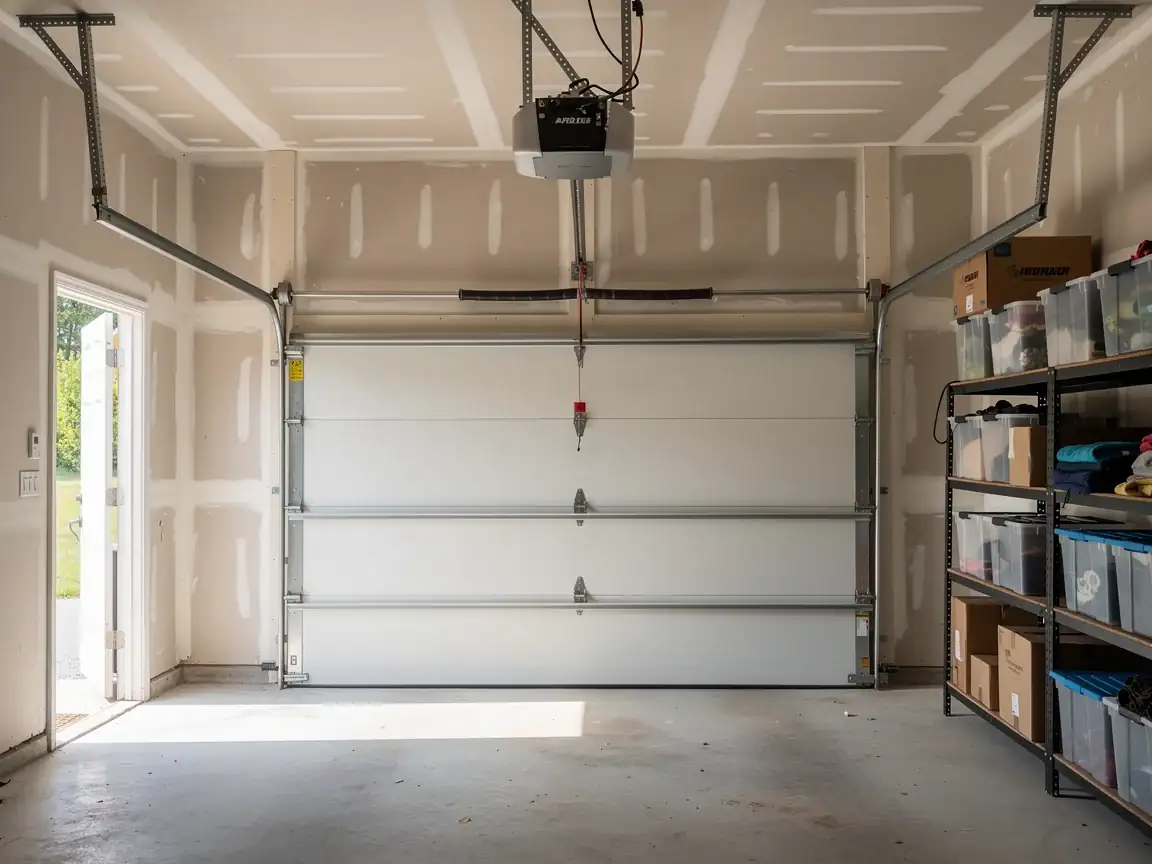
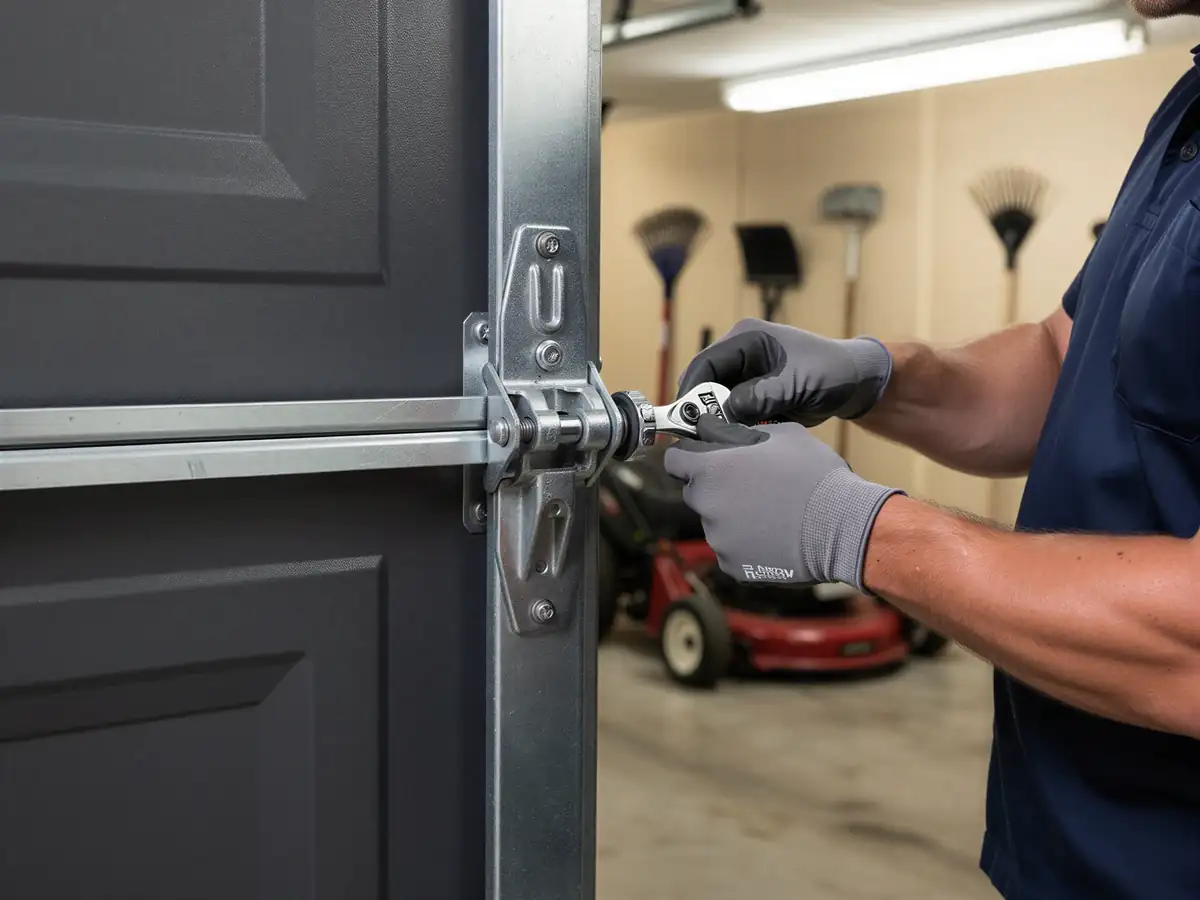
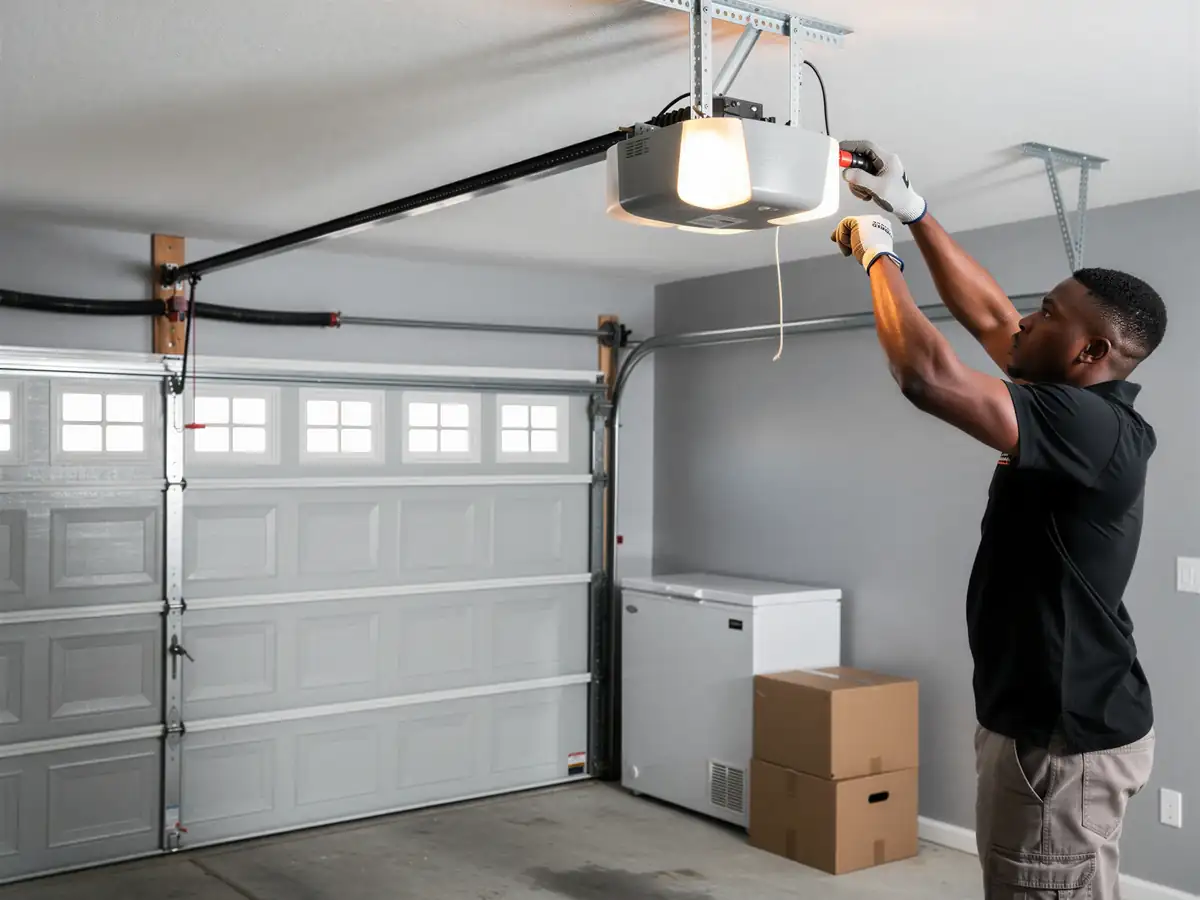
We pull the old unit, check the rail and header bracket for the new mount, and run a belt or chain drive depending on what you want out of it - belt for quiet, chain for lower cost and it holds up fine on these doors. We set the travel limits and force settings to the actual door weight, not a default, and we test the safety reversal sensors before we leave. A door that doesn't reverse on contact is a liability we won't leave in place.
We come from our Cartersville location, about 18 miles out, so we book the job as a full visit rather than a quick stop - we bring what the job needs rather than guessing and driving back.
Time on the Job
A straight swap - same mount, same rail length, no bracket work - runs about an hour to ninety minutes once we're on site. If the door's heavier than the old opener was built for, or the header needs new bracing for a stronger unit, add time for that fitting.
We don't rush the sensor alignment or force-setting step even when the rest goes fast, because that's the part that keeps a door from coming down on a car or a kid's bike. That adds a few minutes, not an appointment.
What It Costs
We don't post a flat number here because door weight and mount type change what unit and hardware a given house needs
And a six-year-old insulated double door costs more to lift right than a light aluminum single. What we can tell you is that houses built around 2007 in Holly Springs tend to need mid-to-upper-tier openers rather than the cheapest chain unit on the shelf, simply because of the door sizes common in that era of build.
Call for a number specific to your door and we'll quote it before we start, not after
The Complications
The most common snag on these newer builds is a header that was framed for a lighter original opener and doesn't have the bracing for a heavier unit without added support. That's a quick fix but it's extra material and time we won't know about until we're looking at the actual header.
The other one: some of these houses came with openers wired into a smart-home system or a specific wall control that the homeowner wants to keep. Matching a new motor unit to existing third-party wall controls isn't always possible - we'll tell you straight if your setup won't carry over rather than promise it will and leave you stuck.
What You Are Seeing
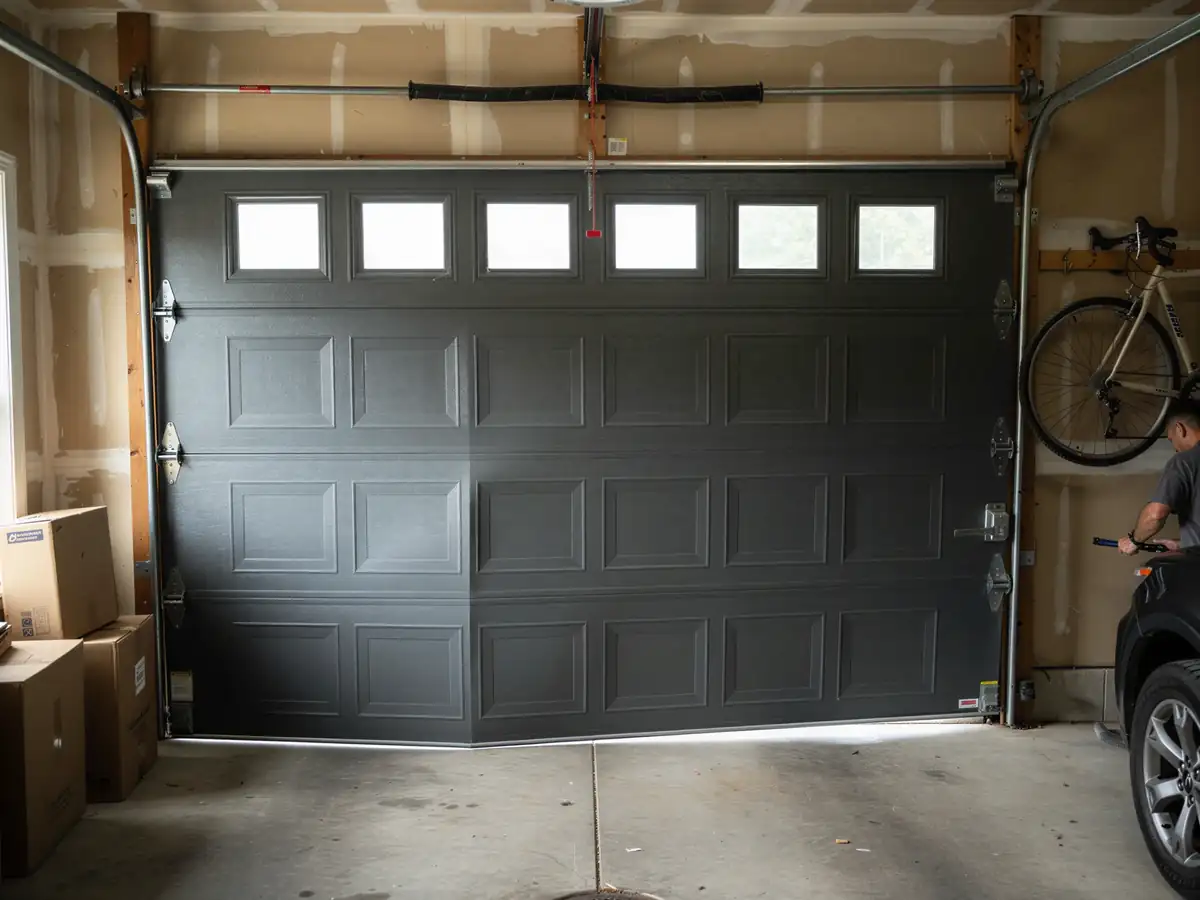
A door that opens fine but reverses halfway down, for no reason you can find, is almost always the logic board or the sensor alignment, not the door itself. Same with a remote that works inconsistently - on a unit built in the mid-2000s, that's the receiver aging out, and no amount of reprogramming fixes a dying board.
If the opener strains audibly, slows markedly partway through the cycle, or the light flickers under load, that's a motor working harder than its rating allows - often because the door itself got upgraded to something heavier at some point and the opener never did. That's worth a look before the gear set gives out entirely and leaves the door stuck in whatever position it's in.